






Definition and Meaning
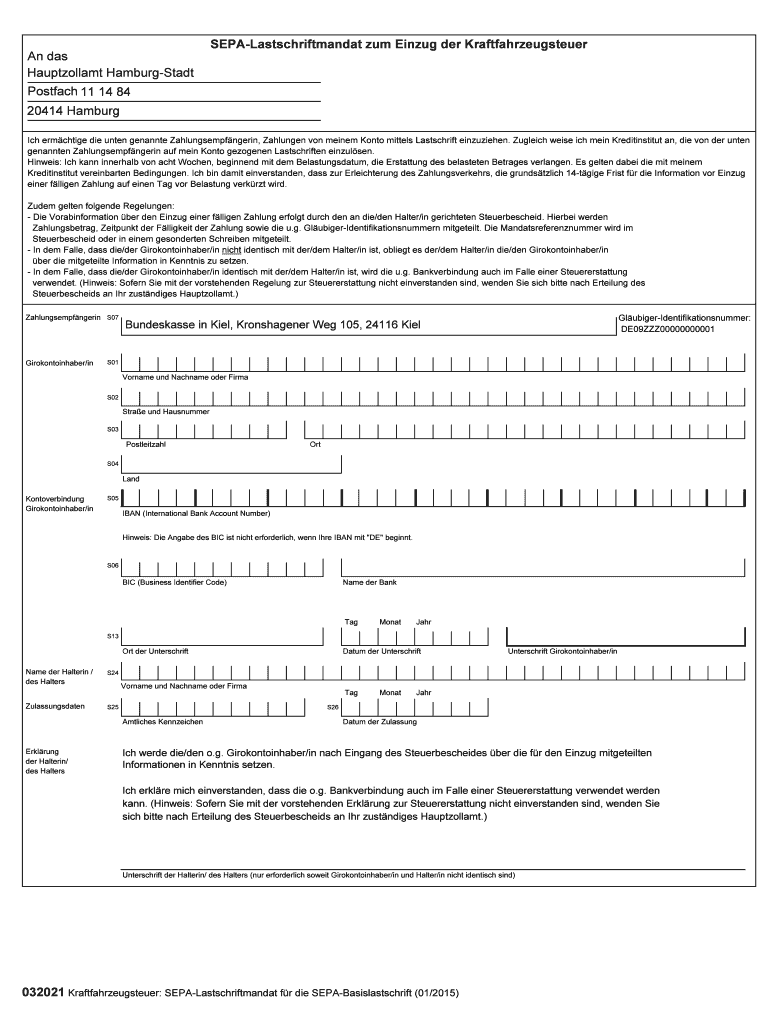
The SEPA-Lastschriftmandat zum Einzug der is a standardized European payment directive allowing for direct debit transactions across the Single Euro Payments Area (SEPA). This mandate authorizes entities such as banks to withdraw money from a customer's account to pay for services or goods. By consenting to this mandate, payers agree to recurring, automated deductions, facilitating cross-border transactions efficiently within SEPA member countries. While this does not cover transactions in the United States directly, understanding its framework provides valuable insight into Eurozone business and financial operations.
SEPA Framework
- SEPA consists of 36 European countries, enabling straightforward euro-denominated transactions.
- The mandate simplifies cross-border financial interaction within these countries by creating a unified payment structure.
Typical Uses and Benefits
- Utilized for recurring payments such as utilities, subscriptions, and taxes in Eurozone countries.
- Reduces administrative costs by automating transactions.
How to Use the SEPA-Lastschriftmandat zum Einzug der
The SEPA-Lastschriftmandat simplifies transaction authorization and payment processes for both payers and payees. Its usage involves filling out a form granting permission for funds to be debited from an account.
- Authorize a Service Provider: Provide bank details and consent for direct debits.
- Ensure Accuracy: Verify details to avoid errors and unintentional debits.
- Flexible Tool: Suitable for a wide range of business and personal transactions.
Pre-authorization Steps
- Confirm sufficient funds are present in the account.
- Review and understand all terms before signing.
Modification or Cancellation
- Users can adjust or cancel mandates, typically through the financial institution or designated service provider.
Steps to Complete the SEPA-Lastschriftmandat zum Einzug der
Completing this mandate requires attention to detail and adherence to guidelines provided by financial institutions within the SEPA framework.
- Gather Information: Obtain IBAN and any specific details requested by the payee's bank.
- Fill Out the Form: Provide personal and account details accurately.
- Sign the Mandate: A written or digital signature is necessary for authorization.
- Submit to Payee: Send the completed mandate to the service provider or entity responsible for initiating debits.
Verification
- Double-check entries to prevent data entry errors that could delay processing.
Key Elements of the SEPA-Lastschriftmandat zum Einzug der
This mandate includes critical components that ensure it operates within the legal and financial standards of SEPA.
Essential Sections
- Creditor Identification: Unique identification of the creditor or service provider.
- Mandate Reference: A code that helps in tracking and managing individual mandates.
- Debtor Details: Full contact and bank information of the person or entity giving the mandate.
Compliance and Security
- Adheres to strict data privacy standards to protect user information.
- Utilizes signature verification to confirm authenticity.
Who Typically Uses the SEPA-Lastschriftmandat zum Einzug der
The mandate is employed across various sectors in Europe, highlighting its adaptability.


Primary Users
- Businesses: For collecting regular payments efficiently.
- Consumers: Streamlined way to manage regular outgoing payments for services.
- Public Authorities: Reliable collection method for taxes or fees.
Industry Examples
- Utilities and service providers offering subscription models benefit greatly from such mandates.
Legal Use of the SEPA-Lastschriftmandat zum Einzug der
Utilizing this mandate means adhering to legal frameworks defined under SEPA regulations.
Legal Requirements
- Implemented according to strict guidelines ensuring transparent terms and conditions.
- The ESIGN Act in the U.S. parallels these requirements, emphasizing legal integrity.
Consequences of Non-compliance
- Incorrect use could lead to penalties or blocked transactions, emphasizing the need for accurate and compliant preparation.
Software Compatibility
The SEPA-Lastschriftmandat may be integrated into various financial management tools to streamline processes.
Compatible Software
- Accounting software such as QuickBooks or invoice management tools often support SEPA mandates.
Integration Benefits
- Directly aligns with digital transformation initiatives in banks and enterprises, facilitating easy data entry, management, and transaction tracking.
Required Documents
To complete the SEPA-Lastschriftmandat seamlessly, certain documents are a necessity.
Necessary Paperwork
- Personal identification to verify identity.
- Bank account details, including IBAN and BIC/SWIFT numbers.
Additional Considerations
- Businesses might require proof of registration or additional documentation to establish creditworthiness and compliance.
Understanding these aspects of the SEPA-Lastschriftmandat offers a broad view of its functionality within the Eurozone's financial ecosystem.