



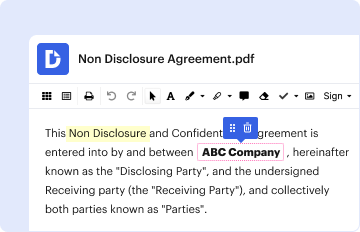
01. Edit your big air waiver form online
Type text, add images, blackout confidential details, add comments, highlights and more.

Type text, add images, blackout confidential details, add comments, highlights and more.
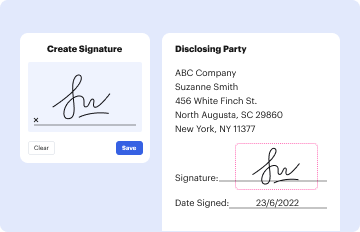
Draw your signature, type it, upload its image, or use your mobile device as a signature pad.

Send big air waiver via email, link, or fax. You can also download it, export it or print it out.
Waiver and release of liability, acknowledgment and assumption of risks, and participant agreement forms are legal documents that participants sign to acknowledge the risks involved in an activity and release the entity from liability for potential injuries or mishaps. These agreements are crucial in activities such as sports, outdoor adventures, and other events where physical risks are present. By signing these forms, participants voluntarily assume the risks associated with the activity and agree not to hold the organization legally accountable for any harm that may arise during participation.
Using a waiver and release of liability form involves a straightforward process where the organization offering the activity presents the form to participants before they engage in the activity. Participants are required to read the document thoroughly, understand the nature of the risks involved, and express their consent to these risks by signing the form. It's essential for organizations to ensure that participants are given ample time to review the document and ask any questions they may have, thereby ensuring informed consent. This process helps protect the organization from potential legal claims in the event of an accident.
In the United States, waiver and release of liability agreements are widely used to protect organizations from legal claims concerning accidental injuries. These documents are enforceable under the law, provided that they are clear, concise, and the participant has voluntarily agreed to the terms without coercion. Courts generally uphold these agreements as long as the language is understandable and the document does not violate any public policy or legal standards. Organizations often consult legal professionals when drafting these documents to ensure compliance with state and federal regulations.
Each state in the U.S. may have specific regulations affecting the enforceability of these agreements. For example, some states have stricter guidelines for what constitutes an effective waiver, requiring precise language and the opportunity for the participant to fully understand the terms. Additionally, certain states might not enforce waivers that attempt to release an organization from gross negligence. Organizations should be aware of these differences and craft their waivers accordingly, possibly seeking legal counsel to tailor agreements to adhere to state-specific rules.
Organizations that facilitate activities with inherent risks often use these agreements, including:


Organizations must tailor these agreements to reflect the specific risks of their activities, ensuring that they provide clear, comprehensive coverage while complying with legal standards.
At DocHub, your data security is our priority. We follow HIPAA, SOC2, GDPR, and other standards, so you can work on your documents with confidence.





I nevertheless freely and voluntarily assume the aforesaid risks and hazards and accordingly my participation in the activity shall be entirely at my own risk.Read more
WAIVER OF LIABILITY, INDEMNIFICATION, AND MEDICAL RELEASE. To be signed by adults participating. Acknowledgment and Assumption of Risk.Read more
I acknowledge that I am signing the agreement freely and voluntarily, and intend by my signature to be a complete and unconditional release of all liability toRead more


