




01. Edit your rev 1706 online
Type text, add images, blackout confidential details, add comments, highlights and more.

Type text, add images, blackout confidential details, add comments, highlights and more.

Draw your signature, type it, upload its image, or use your mobile device as a signature pad.

Send pa rev 1706 via email, link, or fax. You can also download it, export it or print it out.
The "rev 1706" form is an essential document used primarily in the realm of tax, often dealing with specific requirements related to state or local tax filings. It captures detailed information necessary for compliance with tax obligations. Used predominantly within the U.S., this form facilitates the accurate reporting of financial details to respective tax authorities, ensuring both personal and business entities adhere to legal mandates.
Filling out the rev 1706 requires precise attention to detail to avoid common pitfalls associated with tax forms. The process is structured to guide users through methodical data entry.
Obtaining the form is designed to be straightforward, allowing individuals and organizations to access it via multiple channels.
Completing the form involves a series of systematic steps designed to promote accuracy and compliance.
This form is often used by specific groups and businesses within the United States, each with unique filing needs.



The form serves a critical role in ensuring compliance with tax laws and regulations, with legal ramifications for misuse or non-compliance.
While the rev 1706 is a standardized document, certain states may have unique rules or additional requirements.
Scenarios involving the form provide practical insights into its diverse applications.
These comprehensive sections provide an in-depth exploration of the rev 1706, offering clear guidance and detailed examples for effective use and compliance.
At DocHub, your data security is our priority. We follow HIPAA, SOC2, GDPR, and other standards, so you can work on your documents with confidence.


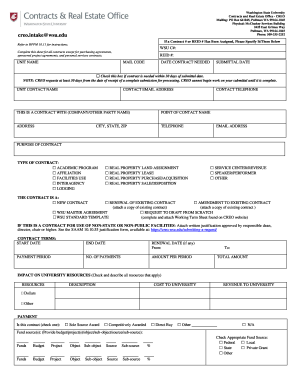


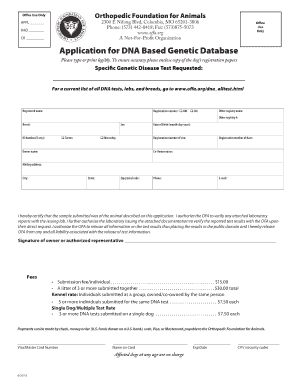
This form must be completed if the business was discontinued, sold or ceased operations in Pennsylvania. For immediate updates, users may make changes.Read more
Part Rev 1706 - CLASSIFICATION OF BALANCE SHEET ACCOUNTS FOR REPORTING ON REPORTMS-535, FINANCIAL REPORT OF THE BUDGET Rev 1706.01 - Classification ofRead more
Form 38058 Rev 1706. Page 1 of 4 chek-mate Flowmeter. Cat. No. 375-07550N. Operating Instructions. 863 Valley View Road, Eighty Four, PA 15330Read more


