
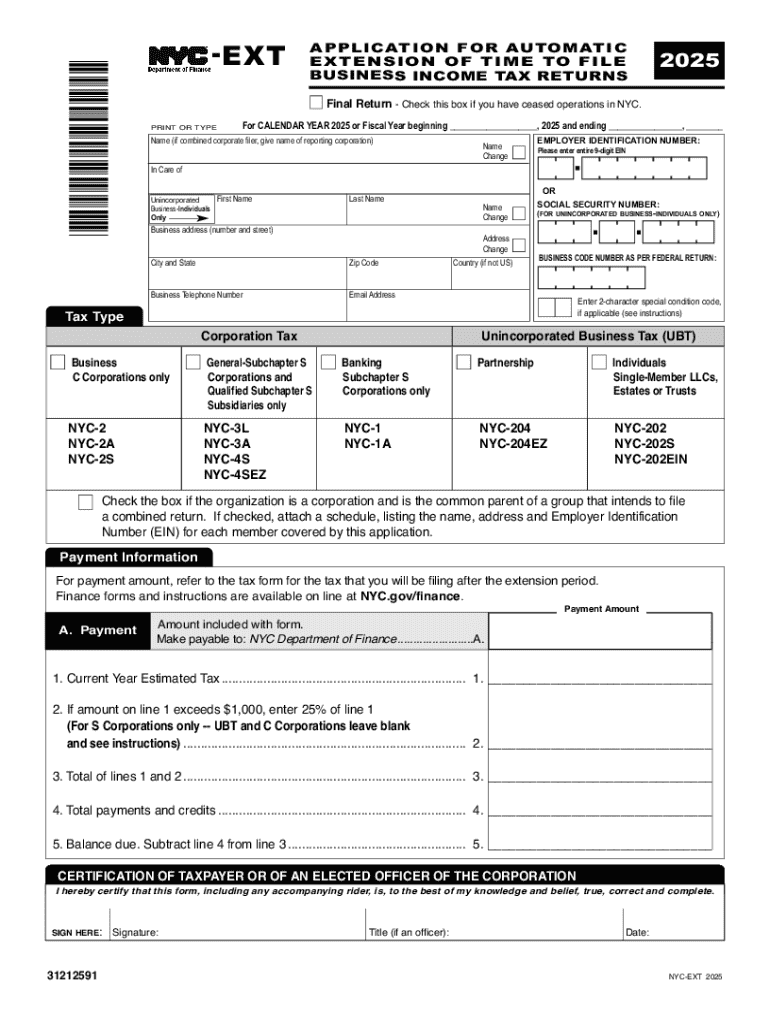







Definition and Purpose of an Extension of Time to File
An Extension of Time to File is a formal request made by taxpayers or business entities to the IRS or similar tax authority to extend the deadline for submitting their tax returns. This does not extend the time for payment of taxes; it solely postpones the filing date. Primarily used by individuals, businesses, or corporations encountering unexpected circumstances hindering timely tax return submission, it's a critical tool in tax planning.
Examples of valid reasons include awaiting documentation, dealing with complex tax issues, or unforeseen personal obligations. However, it's crucial to understand that while this extension provides more time to file, any taxes owed are still due by the original deadline.
Steps to Obtain an Extension of Time to File
Obtaining an extension involves a straightforward process, starting with completing the appropriate form for the taxpayer's context. For individuals, this might mean filing Form 4868, while businesses could require Form 7004.
- Determine Eligibility: Confirm eligibility for an extension based on IRS criteria or specific state regulations.
- Select the Applicable Form: Choose the correct form corresponding to your taxpayer status, whether individual or business.
- Gather Necessary Information: Compile essential data such as previous year’s tax return, estimated income, and expected tax payments.
- Submit the Form: File the form through preferable channels such as online submission or mailing before the tax deadline.
Important Terms Related to Extensions
- Filing Deadline: The original due date for tax return submission; this differs from the payment deadline.
- Form 4868: The specific IRS form individuals file to request an extension.
- Automatic Extension: A provision where an extension is granted automatically upon form submission, typically for individuals needing more time to gather tax documentation.
- Estimated Tax Payment: Payment expected to accompany the form submission based on estimated tax liabilities.
IRS Guidelines on Extensions
The IRS provides specific guidelines and forms for requesting an extension. Failure to adhere to these can result in penalties or rejection of the extension request. Notably, payment of estimated taxes by the original filing deadline is necessary to avoid interest or penalties. Also, if located outside the U.S., certain taxpayers may receive an automatic extension.
Eligibility Criteria for Filing an Extension
Eligibility criteria often involve demonstrating a legitimate need for an extension. Typically, an extension is granted without extensive documentation, relying on the taxpayer’s submission of appropriate forms. However, businesses must consider organizational circumstances or operational delays necessitating additional filing time.


Who Typically Uses Extensions of Time to File
Extensions to file are typically utilized by:
- Self-Employed Individuals: Often needing more time to compile income and expense details.
- Corporations and Partnerships: Requiring comprehensive accounting reviews.
- Taxpayers Living Abroad: Needing additional time due to varying tax preparation complexities.
Penalties for Non-Compliance with Filing Deadlines
Failing to file a return or extension by the due date can lead to penalties. The penalty for not filing is generally more severe than the penalty for not paying. Taxpayers also risk interest on taxes unpaid by the original deadline, thus emphasizing the importance of timely form submission and payment.
Form Submission Methods
Taxpayers can submit their extension forms through various methods:
- Online: Many opt for e-filing, quicker and offering immediate confirmation.
- Mail: Traditional mailing to the IRS remains an option, though processing may be slower.
- Tax Software: Utilizing tax software like TurboTax can streamline the extension process and ensure accuracy.
Form Variants and Alternatives
While the standard forms used are Form 4868 for individuals and Form 7004 for businesses, taxpayers should verify any state-specific forms if filing at the state level. Additionally, alternative options may apply depending on taxpayer status or unique financial circumstances.
State-Specific Rules for Extensions
Taxpayers must be aware of differing state regulations regarding extensions, as requirements and deadlines can vary. For instance, specific states may require a separate state-level form or additional documentation. Familiarity with these variations ensures compliance across jurisdictions.


