






Definition & Meaning
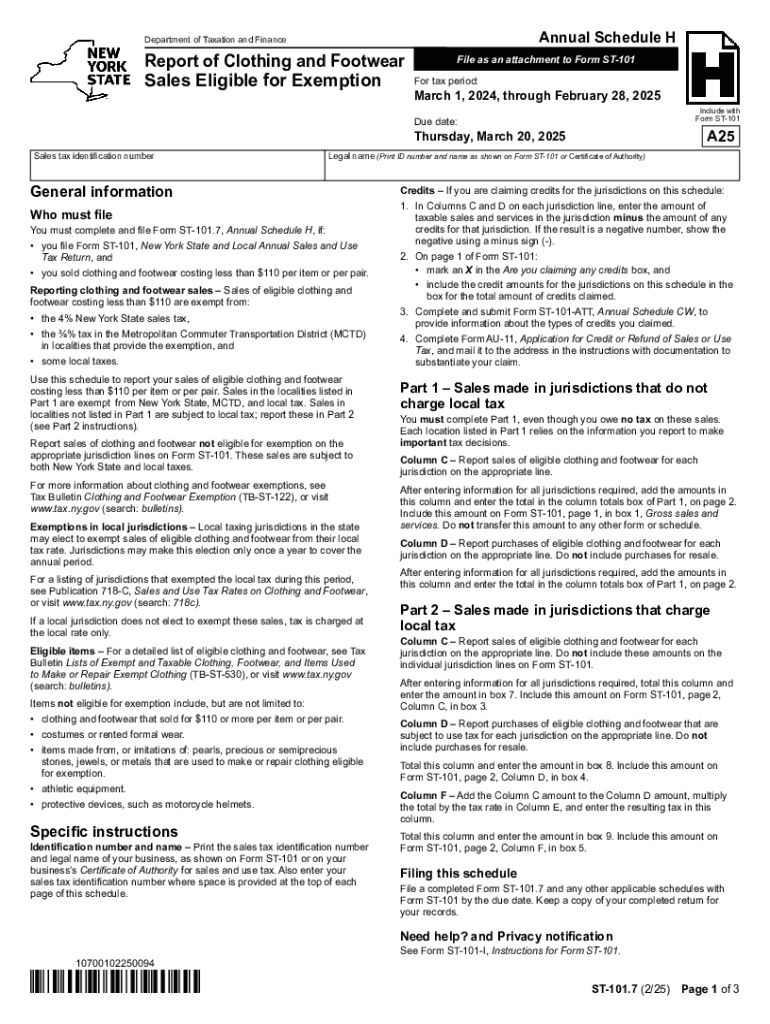
Form ST-101, commonly referred to as the "Instructions for Form ST-101 - Tax NY," is a critical document for those engaged in sales and use tax transactions in New York. It provides detailed guidelines for businesses to comply with state tax regulations, ensuring accurate tax collection and submission. The instructions cover the procedures for completing Form ST-101, which is essential for businesses and individuals engaged in activities subject to New York sales tax.
Importance of the Instructions for Form ST-101
Understanding the Instructions for Form ST-101 is vital for compliant tax reporting and avoiding potential financial penalties. It guides users through each step of the tax form, ensuring that businesses accurately report taxable sales and deductions. By utilizing these instructions, businesses can minimize errors, ensuring they meet New York State tax obligations correctly and reduce the risk of audits and fines.
Steps to Complete the Form
-
Gather Required Information: Collect all necessary documents and financial records for the tax period, including sales receipts and exemption certificates.
-
Complete Personal and Business Information: Enter your business name, address, and identification numbers accurately on the form.
-
Report Taxable Sales: Include all sales subject to the New York sales tax for the specified period.
-
Calculate Deductions and Credits: Carefully review allowable deductions such as sales to exempt organizations and include them where applicable.
-
Submit the Form: Once completed, submit the form through the appropriate channel, either online, by mail, or in-person, as instructed.
Key Elements of the Instructions
- Tax Rate: Information on the sales tax rate applicable to specific regions within New York State.
- Deductions: Detailed explanations of allowable deductions and exemptions from taxable sales.
- Record Keeping: Guidelines for maintaining adequate records that support entries on the tax form.
- Filing Periods: Specific instructions on the filing periods, deadlines, and extensions available to taxpayers.
Important Terms
- Taxable Sales: Sales subject to New York sales tax, which must be reported accurately on the tax form.
- Exemption Certificates: Documents proving the buyer's eligibility for sales tax exemption.
- Tax Jurisdiction: The specific region within New York State for which the tax rate applies.
Filing Deadlines and Important Dates
Timely filing of Form ST-101 is essential to avoid penalties. Deadlines typically align with the sales tax quarter periods, with specific due dates outlined in the instructions. It is recommended that businesses mark these dates on their calendar to ensure compliance.
Common Use Cases for the Form
Businesses across various industries, such as retail, hospitality, and service providers, regularly need to use Form ST-101. It's especially critical for businesses dealing in high-volume sales or those offering products and services across multiple jurisdictions within New York.
Penalties for Non-Compliance
Failure to properly file Form ST-101 or inaccurately reporting sales and deductions can result in significant financial penalties and interest charges. It is crucial for businesses to adhere closely to the instruction guidelines to avoid these penalties.
Software Compatibility
The instructions for Form ST-101 are compatible with popular tax preparation software like TurboTax and QuickBooks. These programs often incorporate the form's instructions into their systems, aiding users in accurate and efficient tax filing.
Legal Use and Compliance
Form ST-101 must be used in compliance with New York State laws and regulations. Businesses should ensure they follow the guidelines precisely, as it is a legally required document for filing sales and use tax returns in New York.
Submission Methods
The Instructions for Form ST-101 provide options for submitting the completed form:
- Online: Via the New York State Department of Taxation and Finance website.
- Mail: By sending the completed form to the designated mailing address.
- In-Person: Submitting at an authorized tax office location.
Each method ensures timely and secure processing of the tax return.