





Definition and Meaning of Form Online
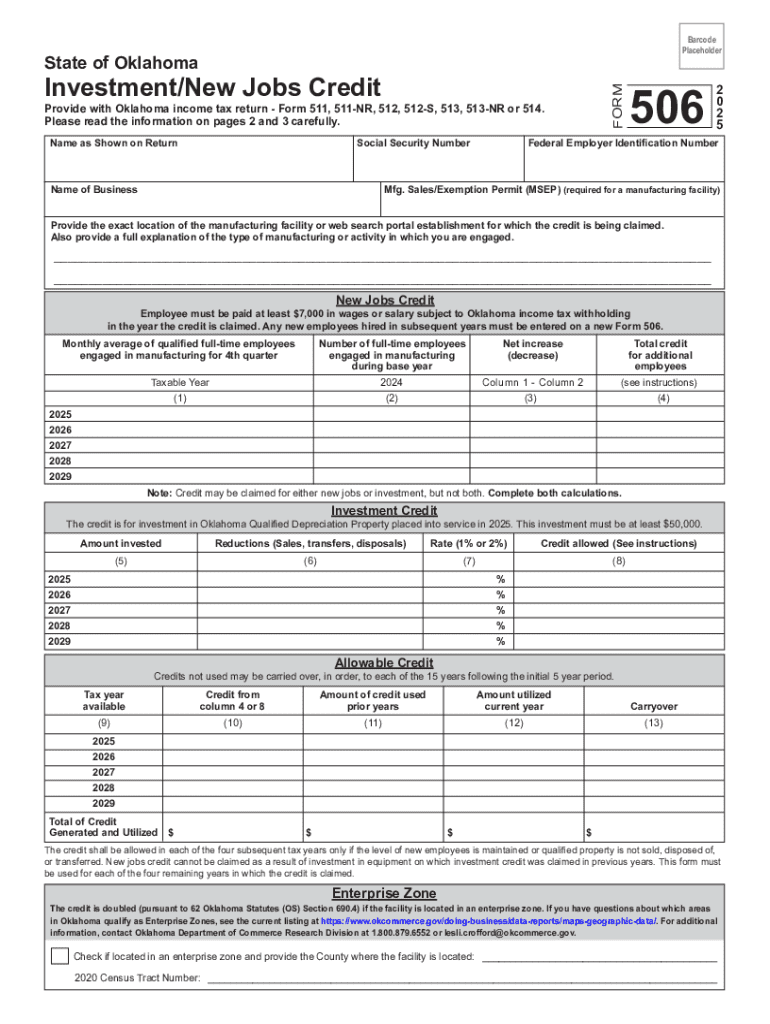
"Form online" refers to any document or template that can be completed and submitted through digital platforms. This can include legal, tax, personal, or business forms that are accessible via the internet. Online forms serve the purpose of collecting and processing data efficiently, enabling users to fill out necessary details from any location with internet access. They are used across various sectors, from government services to private organizations, simplifying tasks for both providers and consumers by reducing the need for physical paperwork.
How to Use the Form Online
Using a form online typically involves accessing the desired template through a web portal, inputting the required information, and then submitting it for processing. The steps generally include:
-
Accessing the Form: Navigate to the website hosting the form. Ensure you have a stable internet connection for uninterrupted access.
-
Reviewing Instructions: Before filling out the form, read any provided instructions to understand the requirements and guidelines.
-
Filling Out the Form: Enter the necessary details in designated fields. Online forms often feature various field types, such as text boxes, dropdown menus, and radio buttons for easy data entry.
-
Reviewing Entries: Verify all entered information to prevent errors. Many online forms allow you to save your work and review before final submission.
-
Submitting the Form: Once completed, submit the form through the website’s submission button. Confirmation notifications or emails are typically sent to confirm receipt of your submission.
How to Obtain the Form Online
Obtaining a form online involves locating and downloading it from a trusted source. Here are the steps to acquire an online form:
-
Identify the Correct Website: Access the official website of the organization or institution that issues the form. Official websites often provide the most up-to-date versions.
-
Search for the Form: Use the search feature or navigate through the site’s menu to find the specific form needed.
-
Check for Requirements: Some forms may require you to have an account or meet certain criteria before downloading.
-
Download the Form: If the form needs to be downloaded, ensure it is saved in a compatible format like PDF, DOCX, or another format supported by your editing software.
Steps to Complete the Form Online
Completing an online form follows a structured process, ensuring all necessary information is accurate and complete. Here’s how:
-
Gather Required Information: Before starting, collect any information or documents needed to fill out the form correctly.
-
Begin Filling the Form: Start from the top and work your way down, ensuring all fields are filled before submission.
-
Mandatory Fields: Pay particular attention to fields marked as mandatory. These are essential for the form's processing.
-
Uploading Documents: If additional documents are needed, make sure to follow the upload instructions exactly, ensuring all files are in acceptable formats.
-
Final Review: Take time to review all entered data for accuracy and completeness.
-
Submit and Save Confirmation: After submission, save any confirmation number or details provided, as it might be needed for future reference or inquiries.
Why Should You Form Online
Choosing to form online brings numerous benefits:
- Convenience: Access and submit forms from any location, reducing the need for physical visits or mailing documents.
- Efficiency: Speeds up processing times and reduces the turnaround period for form handling.
- Cost-Effectiveness: Minimizes printing and postage costs associated with physical forms.
- Environmentally Friendly: Reduces paper usage, contributing to sustainable practices.
Important Terms Related to Form Online
Understanding common terms associated with online forms facilitates smoother completion:
- Digital Signature: An electronic method of signing a document, ensuring authenticity.
- Captcha: A tool used on forms to prevent automated spam submissions.
- Encryption: Secures personal information shared through a form by converting it into code.
- Field Validation: Ensures the information entered into a form conforms to required standards or formats.
Legal Use of the Form Online
Online forms must comply with legal standards to ensure their validity and security:
- Compliance with ESIGN Act: Ensures electronic signatures on online forms are legally recognized.
- Data Protection: Forms must adhere to privacy regulations like GDPR or CCPA that protect user data.
- Audit Trail: Tracks who accessed and modified the form, ensuring accountability and transparency.
State-Specific Rules for Form Online
Different states may have unique regulations governing online forms:
- State Regulations: Certain forms may have variations based on state laws. It’s vital to check state-specific requirements before completing a form.
- Residency Requirements: Some forms are only applicable to residents or address-specific criteria depending on the state.
Examples of Using the Form Online
Online forms are employed in various scenarios:
- Tax Filings: Forms like the IRS W-9 can be completed and submitted online, streamlining tax-related processes.
- Job Applications: Many companies use online forms for hiring, allowing quick submissions of resumes and cover letters.
- Customer Feedback: Businesses often use forms for collecting customer reviews and feedback to enhance services.