






Understanding the Ready-Writing-Evaluation-EM, MS, and JH 2 docx
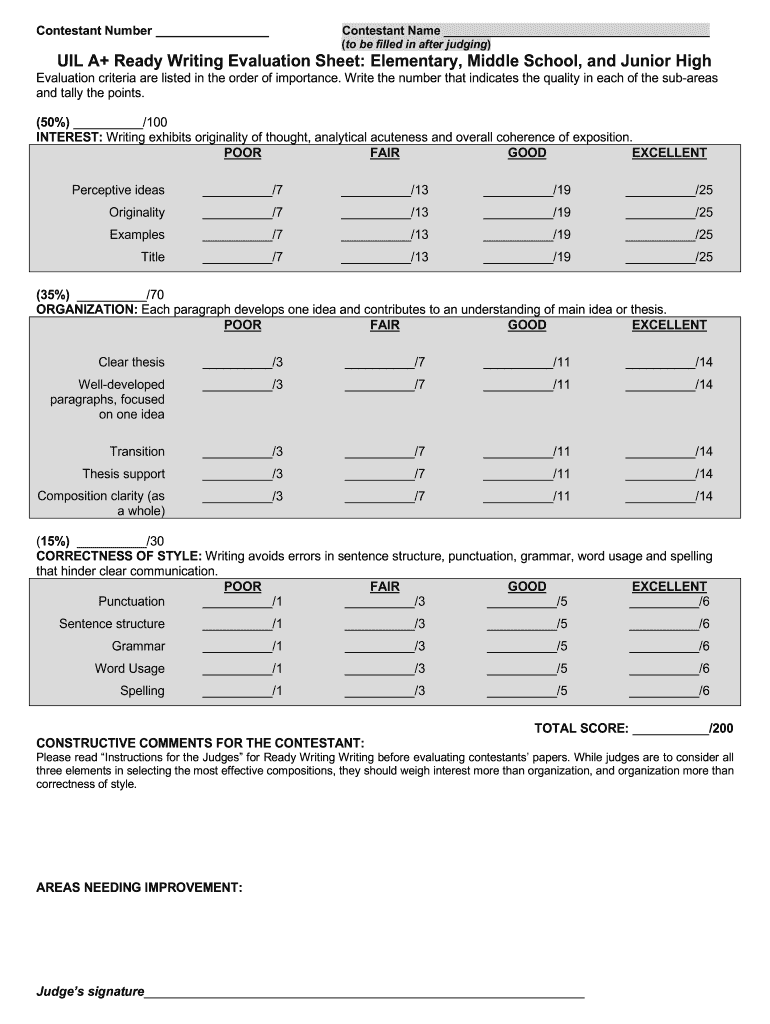
The "Ready-Writing-Evaluation-EM, MS, and JH 2 docx" is an evaluation form used to assess writing skills at various educational levels. It is typically utilized by teachers and competition judges to provide structured feedback. The form's primary purpose is to ensure that students' writing is evaluated consistently and fairly, adhering to specific criteria.
How to Use the Ready-Writing-Evaluation-EM, MS, and JH 2 docx
- Review Evaluation Criteria: Before using the form, familiarize yourself with the evaluation criteria outlined in the document. The criteria are organized by importance to ensure a comprehensive assessment.
- Fill Out Contestant Information: Enter the necessary details of the contestant, such as their number and name, if available beforehand, or after judging.
- Assess Based on Criteria: As you read through each student's work, use the predefined criteria to score sections such as creativity, coherence, structure, and grammar.
- Provide Feedback: Offer constructive feedback that aligns with the scores given, focusing on areas of improvement and strengths.
Steps to Complete the Ready-Writing-Evaluation-EM, MS, and JH 2 docx
- Open the Document: Access the document online using platforms like DocHub to avoid conversion issues.
- Enter Contestant Details: In a designated area, insert contestant information, which may include a placeholder for numbering.
- Read the Student's Composition: Carefully analyze the student's work, keeping the evaluation criteria in mind.
- Score Each Section: Assign scores to each aspect of the writing, considering creativity, coherence, structure, and grammar.
- Add Comments: Utilize the commenting section to provide detailed feedback, ensuring clarity and constructive suggestions for improvement.
- Finalize the Form: Double-check for completeness and accuracy before saving or submitting.
Who Typically Uses the Ready-Writing-Evaluation-EM, MS, and JH 2 docx
- Educators: Teachers in elementary, middle, and junior high schools frequently use this form to assess student submissions in writing contests.
- Judges: Competition judges rely on this document to provide standardized evaluation and feedback to participants.
- Event Organizers: Those organizing writing competitions use the form to ensure uniform assessment criteria across different judges and entries.


Key Elements of the Ready-Writing-Evaluation-EM, MS, and JH 2 docx
- Evaluation Criteria: Includes various aspects such as creativity, structure, and grammar, each weighted by importance.
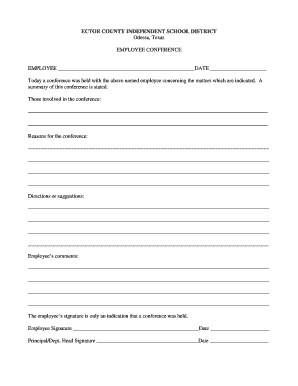
- Commentary Section: A designated space for providing feedback and detailed analysis of the student's writing.
- Contestant Identification: Areas to fill in contestant numbers and names, critical for organizing and tracking submissions.
State-Specific Rules for Using the Form
In the United States, different states may have specific guidelines regarding educational assessments and competitions. While the "Ready-Writing-Evaluation-EM, MS, and JH 2 docx" offers a general framework, modifications might be necessary to comply with state-specific educational standards or contest rules.
Examples of Using the Ready-Writing-Evaluation-EM, MS, and JH 2 docx
- School Competitions: Used as a scoring guide in local writing contests where students' works are evaluated on creativity and coherence.
- End-of-Year Assessments: Incorporated into the grading process to provide students with a comprehensive review of their writing progress throughout the year.
Software Compatibility and Integration
Using DocHub ensures that the form can be accessed and edited smoothly across different platforms. Its compatibility with cloud services like Google Drive and Dropbox enhances accessibility, while its integration with tools like Google Workspace allows for seamless information exchange and management.
Digital vs. Paper Version
Opting for a digital version supports real-time editing and instant sharing, which is beneficial for large-scale competitions. However, paper versions are useful when digital access is limited. The choice between the two depends on logistical considerations like the availability of technology and the scale of the competition.
Business Types Benefiting Most from the Form
While primarily educational, the form's structured feedback system can be adapted for business settings that prioritize written communication, such as publishing firms and marketing agencies, where writing skills are paramount.