Understanding the Role of Unclassified Information
Unclassified information refers to data that is not considered sensitive enough to require classification for national security. However, it still needs to be protected from unauthorized disclosure. This type of information, while publicly accessible, is often critical to the functions of organizations and governments but does not possess the same level of restriction as classified data. In the context of handling unclassified information, its protection remains essential due to its potential strategic value and the integrity it provides to various operations.
Proper Handling Procedures
Handling procedures for unclassified information are formulated to prevent its misuse or leakage, despite its non-classified status. These procedures ensure that such information is stored, reproduced, and transmitted securely. For instance, employees are often trained to limit access to individuals with legitimate needs, ensure digital files are encrypted during transmission, and handle physical copies with care to avoid loss or unauthorized access.
- Use encrypted communications for transmitting data
- Implement access controls to limit information to necessary personnel
- Conduct regular audits to ensure compliance with handling procedures
Acquiring Access to Unclassified Information
Accessing unclassified information might not require security clearance, but organizations typically implement protocols to ensure that only authorized personnel can view such data. Common methods to obtain this access involve formal requests through established channels or systems designed to track who accesses the information.
Steps to Gain Access
- Identify the specific unclassified information required.
- Submit a formal request through your organization’s information request portal.
- Await authorization confirmation, detailing access rights and restrictions.
- Follow all protocols and guidelines associated with the information’s use.
Completing a Form for Unclassified Information
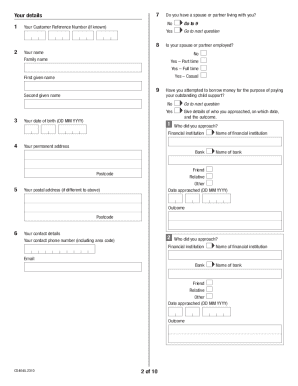
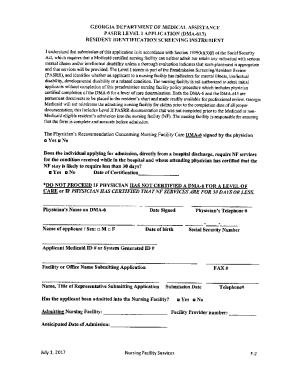
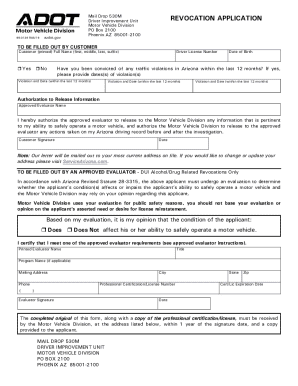
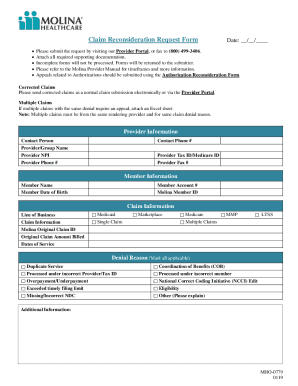
Forms designed to track or request access to unclassified information typically require detailed input to verify eligibility and need. Completion involves specifying the nature of the information requested, the intended use, and the scope of required access.
- Outline the purpose of the request
- Provide identification and authorization details
- Specify the information type and duration of access needed
Importance of Safeguarding Unclassified Information
The protection of unclassified information is essential to prevent strategic data from falling into the wrong hands. Breaches or unauthorized disclosures can lead to operational inefficiencies, competitive disadvantages, or even broader impacts on organizational integrity.
Real-World Impact
- Misuse of publicly accessible data can lead to competitive data being exposed.
- Regulatory scrutiny may be intensified following a breach.
- Organizational trust could be compromised if not adequately protected.
Legal Aspects and Compliance
While unclassified information may not require the same legal protection measures as classified documents, it is still subject to various compliance and legal standards designed to ensure its proper use and protection. Understanding these standards, such as the Freedom of Information Act (FOIA) and organizations' internal regulations, is pivotal for compliant information handling.
Key Elements in Managing Unclassified Information
Managing unclassified information effectively requires attention to various key elements, which include maintaining proper logs, ensuring access control, encryption, and regular training and auditing processes. Each element contributes to fortified security and efficient management practices.
Essential Practices
- Maintain detailed access and usage logs.
- Regularly update security protocols to adapt to new threats.
- Conduct training sessions to educate staff on the importance of proper handling practices.
Variations and Use Cases for Unclassified Information
Different organizations may treat unclassified information in varied ways depending on the nature and context of their operations. Government agencies, for example, might have more stringent regulations compared to private entities. Understanding these variations ensures that handling practices are aligned with organizational policies and regulatory requirements.
Examples
- In government, unclassified information could relate to non-sensitive operational data.
- Corporate settings may consider financial performance metrics as unclassified.
By exploring the nuances and broad applications of unclassified information, individuals and organizations are better equipped to handle this type of data responsibly and efficiently.