Definition & Meaning
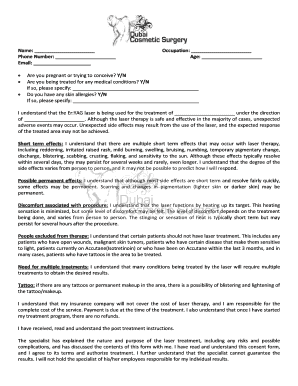
Hospice consent forms are critical legal documents that ensure patients have granted informed consent for hospice care services. These forms confirm that patients or their representatives understand the nature of hospice care and agree to receive these services. This process often includes acknowledging any potential changes in the provision of medical treatments, as hospice care typically focuses on palliative care rather than curative measures. These forms protect both the patient’s rights and the hospice provider from legal liabilities by ensuring all parties are clear about the terms of care.
Key Elements of the Hospice Consent Forms
The key elements within hospice consent forms typically include patient information, an explanation of hospice care, and details about the types of services provided, such as medical, nursing, and support services. Additionally, these forms outline patient rights, including the right to withdraw consent at any time. A section concerning the cost and any associated payment responsibilities is also common, alongside information about privacy and how personal health information will be shared. Lastly, a section for the patient's signature or the signature of their legal representative is included to finalize consent.
Steps to Complete the Hospice Consent Forms
-
Gather Required Information: Collect all necessary personal and medical details, including patient identification, medical history, and current health status.
-
Understand Hospice Services: Carefully read and comprehend the description of hospice services, focusing on the intended shift from curative treatments to comfort care.
-
Review Patient Rights and Responsibilities: Acknowledge the patient’s rights, including the right to discontinue hospice care, and review any obligations they or their family members may have.
-
Discuss Financial Obligations: Examine any financial commitments and clarify any questions regarding insurance coverage or out-of-pocket costs with the hospice provider.
-
Consult with Medical Advisors: Engage in dialogue with healthcare professionals to ensure any questions about hospice care transitions and specific medical impacts are addressed.
-
Sign the Document: Once all sections are understood and agreed upon, the patient or their legal representative must sign the consent form with a date.
Legal Use of the Hospice Consent Forms
Hospice consent forms possess legal significance as they align with federal and state regulations that demand informed consent for non-curative care. These forms serve as proof during legal disputes or audits that the hospice care provider has obtained appropriate consent before delivering palliative care. A legally binding consent form protects patient autonomy by guaranteeing that decisions regarding medical care reflect the individual's personal values and wishes. Ensuring patients or their representatives fully comprehend and sign these documents is crucial for compliance with healthcare laws.
Who Typically Uses the Hospice Consent Forms
Hospice consent forms are primarily used by patients who are entering hospice care as they approach the end of life. These patients may have terminal illnesses or conditions where curative treatments are no longer feasible or desired. The form is also used by healthcare providers, including hospice care teams, to formalize the understanding and agreement of care to be delivered. Moreover, family members or legal representatives often engage with these forms on behalf of patients who may be unable to sign due to their medical conditions or cognitive impairments.


State-Specific Rules for the Hospice Consent Forms
State-specific rules can influence how hospice consent forms are structured and executed. Each state may have different regulations regarding healthcare consents, including specific language that must be included in the forms. For example, some states may require additional disclosures concerning patient rights or mandate the presence of a witness during the signing process. Healthcare providers need to familiarize themselves with relevant state laws to ensure that their forms comply with local requirements. Adhering to these regulations not only ensures legal compliance but also respects the structured legal framework governing healthcare within the state.
Important Terms Related to Hospice Consent Forms
- Palliative Care: Focuses on providing relief from the symptoms and stress of a serious illness.
- Informed Consent: The process of understanding the details of care and agreeing to them knowingly.
- Patient Autonomy: The right of patients to make decisions regarding their medical care.
- Legal Representative: An individual authorized by the patient to make healthcare decisions on their behalf.
Digital vs. Paper Version
Hospice consent forms may be available in both digital and paper formats. The digital version allows for electronic signatures, offering convenience and efficiency, particularly for remote signing. This format ensures quick access, storage, and sharing. Conversely, the paper version provides a tangible copy that some patients or representatives may prefer due to familiarity with traditional processes. However, paper copies require secure physical storage and can be less efficient for updating or transmitting. The choice between digital or paper forms often depends on the patient's preference and the hospice provider's capabilities.