





Definition and Meaning of "Form Online"
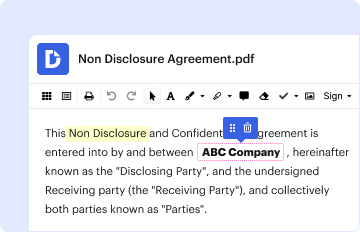
In the context of digital documentation, the term "form online" refers to the electronic version of a paper form that can be accessed, completed, and submitted over the internet. These forms are designed to streamline traditional paper-based processes by providing a more efficient means of data collection and submission.
Key Characteristics of Online Forms
- Accessibility: Available on any device with internet connectivity, ensuring users can complete forms on-the-go.
- Interactive Elements: Features like dropdown menus, checkboxes, and text fields simplify the data entry process.
- Automated Features: Include functionality to validate input fields for correctness in real-time.
How to Use the Form Online
Using an online form typically involves accessing a specific URL or platform where the form is hosted. The user fills out the required fields and submits the data electronically.
Step-by-Step Process
- Accessing the Form: Navigate to the platform hosting the form, such as DocHub.
- Filling Out the Form: Enter the necessary information in the provided fields, ensuring accuracy.
- Reviewing Entries: Check all entries for correctness and completeness.
- Submitting the Form: Click the designated 'Submit' button to send the data to the processor.
- Confirmation: Receive a confirmation message or email indicating successful submission.
Obtaining the Form Online
Forms can be obtained through multiple digital channels, ensuring ease of access for various user needs.
Common Sources
- Official Websites: Access forms directly from the website of the issuing entity.
- Cloud Services: Use platforms like Google Drive, Dropbox, or OneDrive to host and share forms.
- Email Attachments: Receive forms as attachments, which can be opened and completed right away.
Steps to Complete the Form Online
Completing an online form requires careful input and attention to detail, as errors can delay processing.
Detailed Steps
- Identify Required Fields: Locate fields marked as mandatory.
- Complete Personal Information: Fill in personal details like name, address, and contact information.
- Provide Specific Details: Enter information relevant to the form’s purpose, such as ID numbers or tax details.
- Attach Supporting Documents: Upload any required documents if applicable.
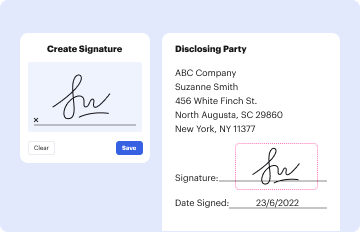
- Sign Digitally: Apply electronic signatures where necessary to validate the form.
- Submit and Confirm: Finalize the form's submission and verify receipt.
Legal Use of Form Online
Using online forms must adhere to regulations governing digital transactions and electronic signatures.
Compliance Considerations
- Electronic Signatures: Must comply with the ESIGN Act to be legally binding.
- Data Protection: Ensure all personal data is handled in adherence to privacy laws like GDPR or CCPA.
- Access Rights: Verify that only authorized individuals have access to sensitive forms and data.
Important Terms Related to Form Online
Several key terms are linked to the usage and functionality of online forms.
Glossary
- SSL Encryption: A security protocol that ensures data transmitted online is secure.
- OAuth 2.0: A protocol for secure user authentication to a service.
- Audit Trail: A tracking mechanism that records all changes made to a document.
Examples of Using the Form Online
Different scenarios illustrate the versatility and utility of online forms.
Real-World Examples
- Business Applications: Companies use forms for client intake, service agreements, and order processing.
- Education Sector: Online forms facilitate student registration and feedback collection.
- Government Services: Citizens complete tax filings and license renewals through state-provided digital forms.
Software Compatibility with Form Online
Compatibility with various software platforms enhances the usability of online forms.
Supported Platforms
- Cloud Storage: Integrations with Google Drive, Dropbox, and OneDrive help users manage form documents efficiently.
- Productivity Suites: Tools like Office 365 and Google Workspace allow for seamless document workflow integration.
- Tax Software: Platforms like TurboTax and QuickBooks facilitate the processing of finance-related forms.
Form Variants and Alternatives
Online forms may have variants or alternative formats depending on the issuing body and intended use.
Common Variants
- Dynamic Forms: Adapt to user input, showing or hiding fields as necessary.
- Standardized Forms: Provide a consistent format for data collection across different instances.
- Legacy Forms: Older versions that may still be in use alongside newer alternatives for continuity.