Definition & Meaning
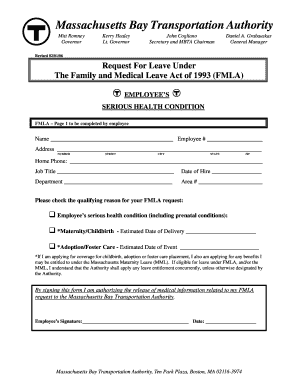
The Employee's Withholding Allowance Certificate, commonly referred to as Form W-4, is a vital document used by employees in the United States to inform their employers of the amount of federal income tax to withhold from their pay. This form plays a crucial role in the U.S. tax system, ensuring that the correct tax amount is withheld throughout the year based on an individual's salary, allowances, and personal circumstances such as marital status and dependents.
How to Use the Employee's Withholding Allowance Certificate
Employers use the W-4 to determine the exact amount of income tax to withhold from an employee's paycheck. Employees must review and submit this form accurately and update it whenever there are significant life changes, such as marriage, divorce, or the birth of a child, which might alter their tax circumstances. Properly completing a W-4 helps to prevent issues like over-withholding or under-withholding of federal taxes, reducing the likelihood of a large tax bill or refund at the end of the year.
How to Obtain the Employee's Withholding Allowance Certificate
The W-4 can be obtained directly from the Internal Revenue Service (IRS) website or through an employer. Employers typically provide new employees with this form upon hiring as part of the onboarding process. For employees who need to update their information, the form is readily available online for download and printing. Accessibility ensures that individuals can easily manage their tax withholding as necessary.
Steps to Complete the Employee's Withholding Allowance Certificate
- Provide Personal Information: Enter your name, address, Social Security number, and marital status.
- Indicate Multiple Jobs or Spouse Works: Complete if you have more than one job or your spouse works, ensuring accurate withholding.
- Claim Dependents: Enter the number of qualifying children and other dependents.
- Other Adjustments: Use this section if you wish to specify additional withholding amounts.
- Sign and Date: Make sure to sign and date the form before submitting it to your employer.
Key Elements of the Employee's Withholding Allowance Certificate
- Personal Information: Determines the taxpayer's identity and filing status.
- Multiple Jobs and Working Spouses: Accounts for additional income sources.
- Dependents and Credits: Identifies eligible credits based on dependents for tax withholding adjustments.
- Additional Withholding: Allows for customization of withholding amounts.
- Signature Section: Ensures that the form is valid and has been approved by the employee.
Legal Use of the Employee's Withholding Allowance Certificate
According to the IRS, the W-4 must be completed in good faith, with accurate and truthful information. Legal obligations require employees to submit an updated W-4 when their tax situation changes significantly. Employers are responsible for maintaining accurate records of employees' W-4 forms and implementing the withholding instructions as specified by each employee's submission.
State-Specific Rules for the Employee's Withholding Allowance Certificate
Some states have their own withholding forms in addition to the federal W-4. Employees need to check state requirements, as the state form may have different allowances or withholding rules. In some cases, the state tax withholding may differ significantly from federal withholding, requiring additional adjustments.
Filing Deadlines / Important Dates
There is no specific annual deadline for filing the W-4, but it should be updated promptly following any changes in your tax situation. This includes any time there is a change in dependents or marital status. Employees should assess their withholding at the start of each year or use the IRS Tax Withholding Estimator tool to ensure they are withholding the correct amount from their paychecks.
Penalties for Non-Compliance
Failure to provide an accurate W-4 can result in either underpayment or overpayment of taxes. If under-withheld, employees might owe taxes during filing season and could incur interest and penalties for insufficient tax payments. For excessive withholding, employees miss the opportunity for regular cash flow throughout the year. Employers could face penalties for not following IRS guidelines on withholding, making accurate employee form submission essential.