






Definition & Meaning
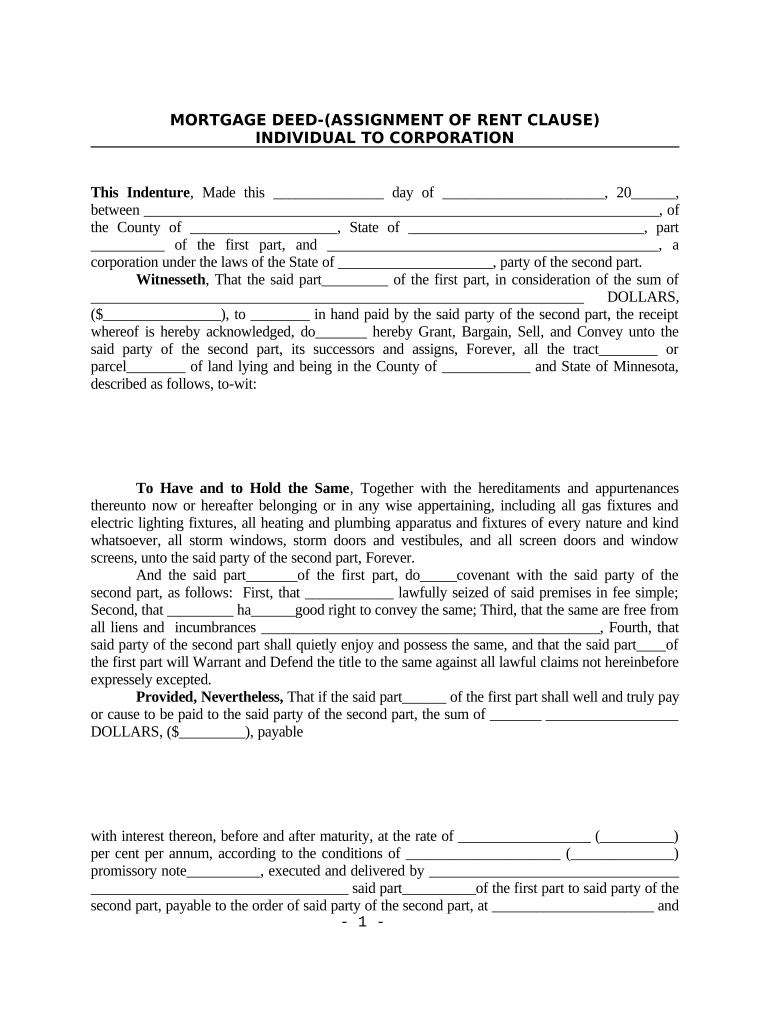
The Minnesota mortgage form is a critical document used in the real estate process within the state of Minnesota. Its primary function is to legally establish a lien on a property by a lender until the borrower fulfills their debt obligations under a mortgage agreement. The form is essentially a security agreement between the borrower and lender, ensuring the property can serve as collateral for the mortgage loan. Within Minnesota, the form typically includes stipulations unique to state law, such as foreclosure processes and borrower’s rights, making it crucial to correctly complete and understand when engaging in real estate transactions.
How to Use the Minnesota Mortgage Form
Proper utilization of the Minnesota mortgage form requires a clear understanding of mortgage processes and legal requirements. To use the form effectively:
- Obtain the Form: Acquire the official Minnesota mortgage form from a reliable source, such as a legal firm or real estate professional.
- Review the Terms: Thoroughly read and comprehend all terms and conditions outlined in the document.
- Fill Out Required Information: Complete all necessary fields accurately, including borrower and lender information, loan terms, and property details.
- Review with Legal Counsel: It is advisable to consult with a real estate attorney to ensure all provisions comply with Minnesota law.
- Seek Lender’s Approval: Submit the completed form to the lender for validation and approval.
- Finalize and Record: Once approved, the document should be signed by both parties and officially recorded with the appropriate county recorder’s office in Minnesota.
How to Obtain the Minnesota Mortgage Form
Securing a Minnesota mortgage form can be accomplished via several methods:
- Real Estate Attorneys and Firms: These professionals can provide the form and offer guidance through the completion process.
- Online Legal Document Providers: Some websites offer downloadable versions of state-specific mortgage forms. Ensure these are current and comply with Minnesota's regulations.
- Financial Institutions: Banks and mortgage lenders often provide necessary forms during the loan application process.
It is important to verify that any form obtained is up to date and valid for legal use within the state to avoid future complications.
Steps to Complete the Minnesota Mortgage Form
Completing the Minnesota mortgage form demands precision and attention to detail. Follow these steps:
- Gather Information: Secure all personal details, property information, and loan specifics needed to fill out the form.
- Fill Out Borrower and Lender Details: Enter the names, addresses, and contact information for both the borrower and the lending institution.
- Detail Property Information: Provide a complete legal description of the property used as security.
- Specify Loan Amount and Terms: Clearly outline the principal balance, interest rate, payment schedule, and maturity date of the loan.
- Include Legal Clauses and Conditions: Incorporate any necessary legal clauses specific to Minnesota mortgage laws.
- Obtain Signatures: Ensure both parties sign the form in the presence of a notary public, as required.
- Submit for Recording: File the completed and notarized document with the local county recorder’s office.
It is crucial to double-check all information for accuracy and completeness before submission.
Key Elements of the Minnesota Mortgage Form
The Minnesota mortgage form encompasses several critical components:
- Borrower and Lender Information: Identification details for both parties involved.
- Property Description: A full legal description of the mortgaged real estate.
- Terms of the Mortgage: The loan’s principal amount, interest rate, repayment timeline, and maturity date.
- Covenants and Conditions: Legal agreements and conditions specific to the loan.
- Default and Foreclosure Terms: Procedures and consequences in the event of borrower default.
These elements must be clearly and accurately articulated to ensure legal enforceability and alignment with state regulations.
State-Specific Rules for the Minnesota Mortgage Form
Minnesota mortgage forms are subject to state-specific regulations that govern their application:
- Foreclosure Laws: Minnesota allows both judicial and non-judicial foreclosure processes. The form should reflect the appropriate process.
- Redemption Rights: Borrowers typically have redemption rights after a foreclosure sale, allowing them a specific period to reclaim the property.
- Recording Requirements: Laws stipulate that the mortgage form must be recorded with the county where the property is located to be valid.
Understanding these rules is essential to protect the interest of parties involved and to ensure compliance with local laws.
Legal Use of the Minnesota Mortgage Form
A properly executed Minnesota mortgage form serves as a legally binding agreement:
- Secures Debt with Property: Confirms the property as collateral, safeguarding the lender's interest.
- Establishes Obligations: Clearly lays out borrower’s obligations concerning repayment and maintenance of the property.
- Legal Recourse: Outlines rights and remedies available to the lender in case of default.
The form’s enforceability hinges on its consistency with Minnesota statutes, which governs mortgages and real estate transactions.
Who Typically Uses the Minnesota Mortgage Form
The Minnesota mortgage form is primarily utilized by:
- Home Buyers and Homeowners: Individuals seeking mortgage financing for purchasing or refinancing a home.
- Lenders and Creditors: Banks, credit unions, and mortgage brokers needing collateral to secure loan amounts.
- Real Estate Attorneys: Legal professionals assisting clients in real estate transactions and loan document preparations.
Awareness of user roles facilitates a smoother transaction process, ensuring each party fulfills their responsibilities within the mortgage contract framework.