






Definition and Purpose of the TB Skin Test Questionnaire
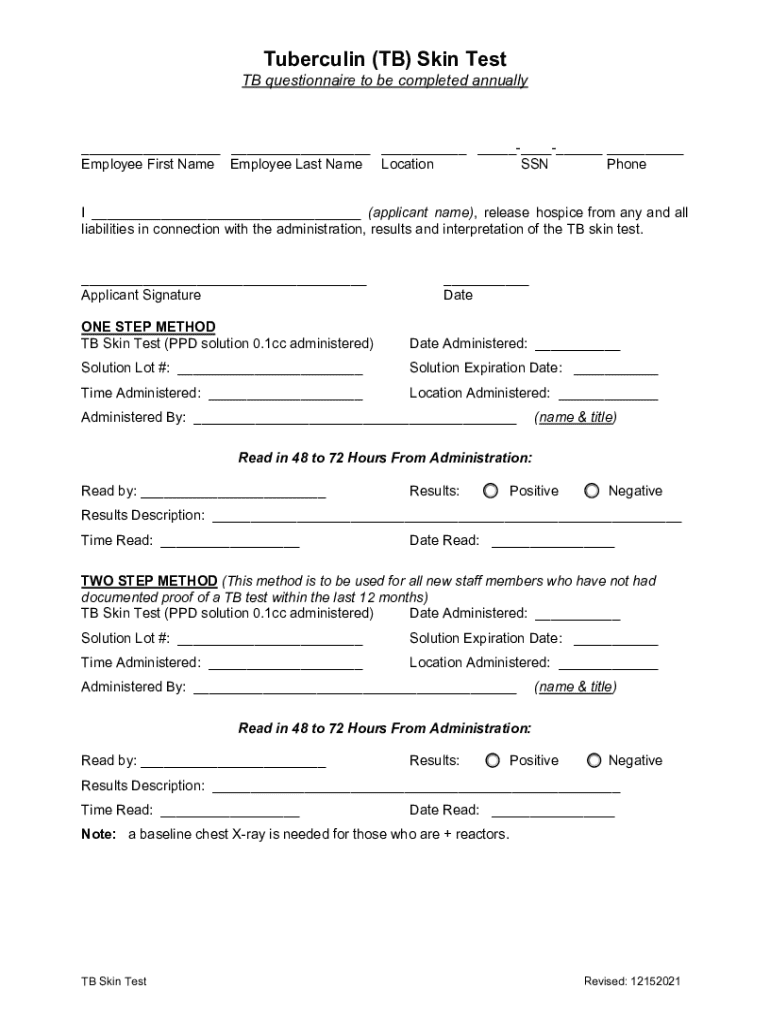
The TB Skin Test Questionnaire is a critical tool in identifying potential tuberculosis (TB) exposure and infection in individuals. This form acts as a preliminary screening instrument, used primarily by healthcare providers to determine the necessity of administering a TB skin test. The questionnaire typically includes questions about the individual's health history, potential exposure to TB, and symptoms that might suggest a latent or active TB infection. It aids healthcare professionals in making informed decisions about further testing, such as the tuberculin skin test or blood tests for TB.
How to Use the TB Skin Test Questionnaire Effectively
To use the TB Skin Test Questionnaire effectively, individuals or healthcare providers should follow these guidelines:
-
Thoroughly Review Each Question: Ensure that the respondent fully understands each question before answering. Misinterpretation can lead to inaccurate conclusions.
-
Provide Detailed Responses: Encourage individuals to provide as much detail as possible, especially in sections that allow for open-ended answers. This information can provide context that aids in assessing TB risk.
-
Consistent Follow-Up: If a respondent indicates potential exposure or symptoms, the questionnaire should be followed up with appropriate clinical testing, such as a Mantoux tuberculin skin test or an IGRA blood test.
-
Use as a Part of Routine Screening: For individuals at high risk of TB exposure, such as healthcare workers or those who have traveled to regions with high TB prevalence, incorporating this questionnaire into regular health assessments is beneficial.
Steps to Complete the TB Skin Test Questionnaire
The completion of the TB Skin Test Questionnaire involves several key steps:
-
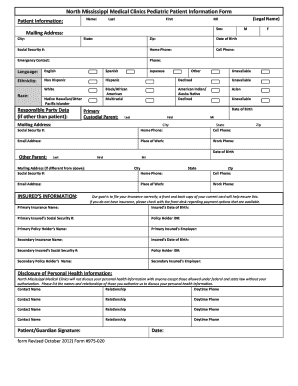
Initial Personal Information: Begin by filling in personal details such as name, age, and contact information.
-
Medical History: Answer questions related to previous TB infections, vaccinations (e.g., BCG vaccine), and any chronic health conditions that could affect TB risk.
-
Exposure Assessment: Detail any recent travel to TB-endemic areas, close contact with individuals diagnosed with TB, or living in communal environments.
-
Symptom Checklist: Indicate if there are any signs or symptoms of TB, such as persistent cough, night sweats, or rapid weight loss.
-
Submission to Healthcare Provider: Once completed, the form should be reviewed and submitted to a healthcare provider for further evaluation.
Importance of the TB Skin Test Questionnaire
The TB Skin Test Questionnaire is crucial for several reasons:
-
Early Detection: It helps in identifying individuals at risk of TB infection early, thereby facilitating prompt treatment and preventing the spread of the disease.
-
Resource Allocation: By prioritizing those at higher risk, healthcare resources can be used more efficiently, focusing on those who need immediate attention.
-
Public Health Management: Data collected from the questionnaire contributes to larger epidemiological studies, helping public health officials track and manage TB outbreaks more effectively.
Who Typically Uses the TB Skin Test Questionnaire?
The TB Skin Test Questionnaire is primarily used by:
-
Healthcare Providers: Doctors and nurses particularly in clinics, hospitals, and public health departments employ the form to screen patients for TB risk.
-
Employers in High-Risk Occupations: Certain professions, such as healthcare workers, lab technicians, and individuals working in correctional facilities, often use the questionnaire as part of routine health assessments.
-
Educational Institutions: Schools and universities may use the questionnaire to screen students and staff, especially when there is a known case of TB on campus.


Legal Use and Compliance for the TB Skin Test Questionnaire
The legal use of the TB Skin Test Questionnaire is governed by health regulations and privacy laws such as the Health Insurance Portability and Accountability Act (HIPAA) in the United States. Compliance with these laws ensures:
-
Confidentiality: All personal and health data collected through the questionnaire should be kept confidential and only accessible by authorized healthcare professionals.
-
Informed Consent: Participants should be informed about the purpose of the questionnaire and their consent obtained before filling it out.
-
Accurate Records: It is essential for healthcare providers to maintain accurate and up-to-date records of all screenings performed.
Key Elements of the TB Skin Test Questionnaire
The questionnaire typically includes the following key elements:
-
Demographic Information: Collects basic personal details to identify the respondent.
-
Exposure History: Inquires about recent travel, occupational risks, and contact with TB-infected individuals.
-
Health and Symptom History: Questions addressing previous TB diagnoses, vaccinations, and any symptoms suggestive of TB.
-
Lifestyle and Environment: Questions about living conditions that might influence TB risk, such as crowded living environments.
State-Specific Rules for the TB Skin Test Questionnaire
Some states in the U.S. might have specific guidelines or additional requirements for TB screenings, influenced by their public health policies:
-
California and New York: These states may have additional requirements due to higher urban densities and diverse populations.
-
Florida: Regular screenings are often mandated for individuals working in senior care facilities, given its large elderly population.
Healthcare providers should consult state-specific health departments for the most accurate and current requirements regarding TB screenings.
Examples of Using the TB Skin Test Questionnaire in Practice
Consider these examples for practical understanding:
-
In a Healthcare Setting: A nurse in a general practice clinic uses the TB Skin Test Questionnaire to screen new patients as part of an annual check-up, identifying a patient who recently traveled to a TB-endemic country.
-
Occupational Health: A hospital conducts yearly TB screenings using the questionnaire for its staff, ensuring early detection and prevention of potential outbreaks.
-
Academic Institutes: Universities in areas with high TB prevalence integrate the questionnaire into their student health services to maintain campus health and safety.
These examples reflect the questionnaire's diverse applications in maintaining public health standards.