Definition and Meaning
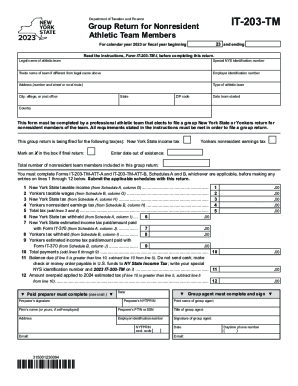
"For the year January 1 - December 31, 2025, or fiscal tax year beginning" is a specification often used on tax forms to define the period for which the taxpayer is reporting their income and expenses. This timeframe can either refer to the standard calendar year or a customized fiscal year set by the taxpayer. Choosing a fiscal year different from the standard calendar year is typically more common among businesses or organizations that operate on a different reporting cycle due to seasonal variations or specific business needs.
Examples of Use
- Corporations: A corporation might opt for a fiscal year to align its reporting period with its production cycle, which may not conclude in December.
- Partnerships: Partnerships may follow the tax year of the majority partner, who might use a fiscal year different from the calendar year.
Practical Scenarios
- A retailer might choose a fiscal year ending in January to ensure the holiday season's sales are incorporated into their year-end financials.
- An agricultural business may prefer a fiscal year aligned with its growing season, beginning after harvest.
How to Use "For the Year January 1 - December 31, 2025, or Fiscal Tax Year Beginning"
Understanding the appropriate time frame for tax reporting is crucial for compliance and accuracy. Determining whether to report based on the calendar year or a custom fiscal year can significantly affect the alignment of operations and tax obligations.
Steps:
- Review Business Cycles: Determine if your business operations align better with a fiscal year instead of the standard calendar year.
- Consult Tax Professionals: Seek advice on whether adopting a fiscal year could offer advantages in financial reporting or tax planning.
- IRS Approval: Note that adopting a fiscal year may require submitting Form 1128 to the IRS for approval.
IRS Guidelines
- Form 1128: This form is used to apply for a change in tax year.
- Approval: IRS approval is necessary for transitioning to a fiscal year for all taxpayers except those filing as sole proprietors.
Steps to Complete the Form
Completing tax forms correctly is essential to ensure compliance and avoid penalties. Here is a structured approach to finalize these forms:
- Gather Necessary Documents: Collect all financial records, including income statements and expense reports, for the relevant period.
- Determine Tax Year: Decide whether to report for the calendar year or a fiscal year.
- Fill Out Identifying Information: Enter details such as name, address, and Employer Identification Number (EIN).
- Itemize Income and Deductions: Accurately report all income streams and allowable deductions.
- Review and Submit: Double-check for accuracy and submit the form through the chosen method: online, mail, or in-person.
Filing Deadlines and Important Dates
Adhering to filing deadlines is critical. Understanding the specific dates that apply to your tax situation ensures timely compliance.
Key Dates:
- April 15, 2026: Deadline for individual tax returns for the calendar year.
- Variable Fiscal Year Deadlines: Typically, returns are due on the 15th day of the fourth month following the close of the fiscal year.
Required Documents
Submitting complete and accurate documentation is vital. Here’s a list of required records you typically need:
- Income Statements: Capture all sources of revenue.
- Expense Receipts: Document all deductible costs.
- Previous Year’s Tax Returns: Ensure consistency in reporting.
Documentation Tips
- Maintain organized records throughout the year to ease tax filing.
- Utilize digital tools to scan and store fiscal documents for future reference.
IRS Guidelines
The IRS provides comprehensive guidelines to clarify tax filing requirements and ensure compliance.
Key IRS Publications
- Publication 334: Tax Guide for Small Business, essential for self-employed individuals.
- Publication 538: Discusses accounting periods and methods, providing guidance on choosing a fiscal year.
Compliance Tips
- Stay updated on IRS announcements for changes in tax laws or filing requirements.
- Frequent IRS webinars and workshops can provide valuable insights into best practices and compliance updates.
Legal Use of the Form
Using the correct form is not just a legal requirement but also ensures accurate representation of financial activities. Misrepresentation can lead to significant penalties and liabilities.
Legal Considerations
- Accuracy: Ensure all reported information is accurate and verifiable.
- Compliance: Regularly review changes in tax legislation to maintain compliance.
Penalties for Non-Compliance
Failing to adhere to tax filing requirements can result in substantial penalties. Awareness and understanding of these potential consequences are essential.
Potential Penalties
- Late Filing Penalty: Typically 5% of the unpaid taxes for each month the return is late.
- Failure to Pay: Additional 0.5% of unpaid taxes for each month post-deadline.
Avoidance Strategies
- Consider filing for an extension if you cannot meet the filing deadline.
- Work with tax professionals to ensure timely and accurate filing.
Business Entity Types That Benefit Most
Different business types may find distinct advantages in selecting specific tax years.
Business Entities
- LLCs: Frequently benefit from aligning with the fiscal year of the parent organization for streamlined reporting.
- Corporations: May select a fiscal year that matches their operational cycle, optimizing financial management.
Strategic Considerations
- Evaluate operational cycles to determine the most advantageous tax year.
- Regularly reassess reporting strategies for optimal tax planning.
Including these sections and details offers a comprehensive understanding of the "For the year January 1 - December 31, 2025, or fiscal tax year beginning" form and its implications, providing maximum utility for businesses and individuals alike.