






Definition and Purpose of SC1040 Form
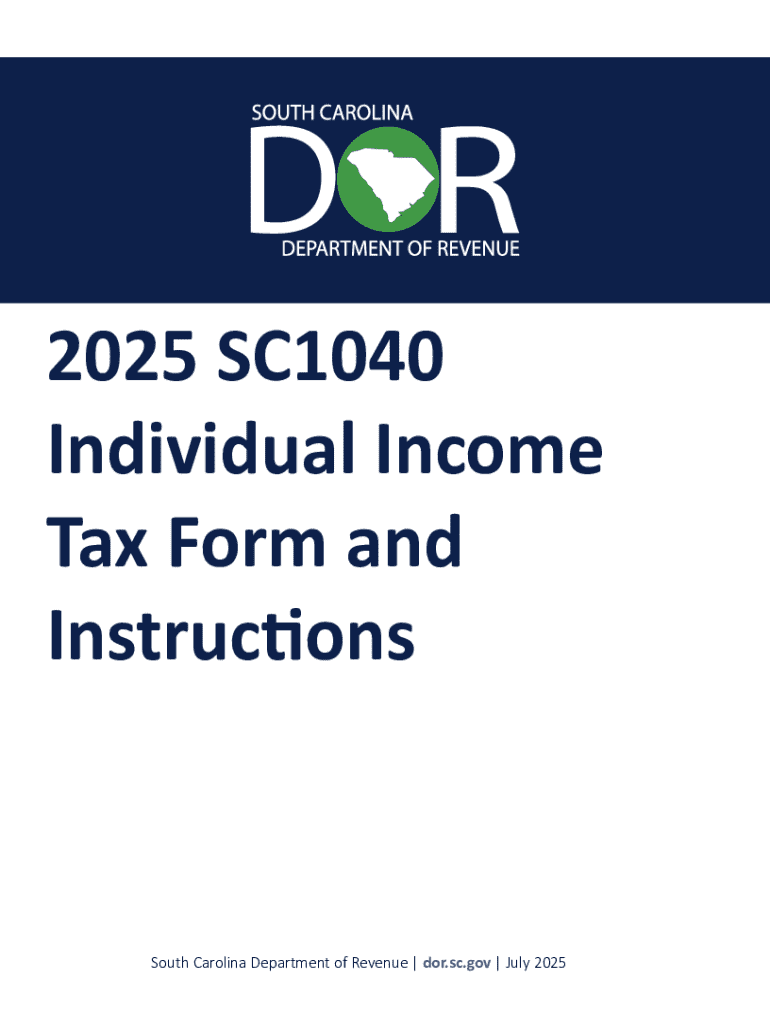
The SC1040 Individual Income Tax Form is a vital document used by South Carolina residents to report their annual income to the state's Department of Revenue. It serves as a comprehensive method for calculating and settling state income tax liabilities. This form is crucial for fulfilling legal obligations, enabling the state to collect revenue for public services. Using the SC1040 ensures that taxpayers accurately report their incomes, deductions, and credits, promoting fairness and compliance within the tax system.
The SC1040 is designed to capture detailed financial information, which includes employment income, capital gains, and various types of deductions and adjustments. Understanding its purpose helps taxpayers organize their financial records effectively, ensuring that they benefit from all applicable tax reliefs and credits. For many, the SC1040 also facilitates the claiming of state tax refunds, making it an essential document for receiving financial reimbursements from overpaid taxes.
How to Use the SC1040 Individual Income Tax Form
Understanding how to use the SC1040 is crucial for accurately completing your state tax return. Here are the key steps involved:
-
Gather Necessary Documents: Before starting, collect all required documents such as W-2s, 1099s, and interest or dividend statements.
-
Fill Out Personal Information: Enter your personal details, including your name, address, and social security number. If filing jointly, spouse's information is also required.
-
Report Income: List all sources of income, including wages, dividends, business income, and other earnings.
-
Claim Deductions and Credits: Identify eligible deductions and credits to lower your taxable income. This may include deductions for retirement contributions, student loans, and tuition.
-
Calculate Taxable Income and Liability: Use the form to determine your total taxable income, then calculate the tax owed or refund due.
-
Review and Submit: Double-check entries for accuracy before submitting. Errors can lead to processing delays or audit triggers.
By following these steps, taxpayers can ensure a smooth filing experience, reducing errors or omissions that could result in penalties.
Steps to Complete the SC1040 Form
Completing the SC1040 requires attention to detail and a clear understanding of your tax responsibilities. Follow these detailed step-by-step instructions:
-
Start with the Checklist: Begin by reviewing the filing checklist provided in the SC1040 instructions to ensure you have all necessary documentation.
-
Complete Income Section: Fill out the income section by transferring figures from federal forms and adjusting them according to state-specific guidelines.
-
List Adjustments and Deductions: Identify and apply any eligible adjustments to income and detail itemized deductions, if applicable.
-
Resolve Credit Sections: Thoroughly work through available credits, ensuring you meet all qualification criteria. This could include the child tax credit, education credits, or other state-specific credits.
-
Final Calculation: Add and subtract the relevant figures to arrive at your final tax liability or refund.
-
Sign and Date: Sign and date the completed form. Your spouse must also sign if you are filing jointly.
-
Attach Documentation: Attach any necessary schedules and supplemental documentation to support your return.
-
Submit to Department of Revenue: Mail the completed form and payments to the South Carolina Department of Revenue, or submit electronically if you’re using tax preparation software.
These steps provide taxpayers with a comprehensive approach to completing their SC1040, enabling them to manage their tax affairs responsibly and avoid compliance issues.
Important Terms Related to SC1040
Understanding key terms related to the SC1040 is crucial for accurate completion:
- Adjusted Gross Income (AGI): This is your total gross income adjusted for specific deductions. It’s a vital figure used to determine eligibility for certain credits and deductions.
- Exemptions: These refer to amounts you can subtract from your income for yourself, your spouse, and dependents.
- Credits: These are amounts that directly reduce your tax liability. They can be non-refundable, which reduce taxes to zero, or refundable, which can generate a refund.
- Withholdings: These are amounts your employer deducts from your pay to prepay your state taxes throughout the year.
Each term plays a pivotal role in the SC1040 process, influencing the tax computations and final outcomes.
Filing Deadlines and Important Dates
Recognizing deadlines is crucial for SC1040 filing:
- April 15: Regardless of when your calendar year ends, the SC1040 is due each year on April 15. If this falls on a weekend or holiday, the deadline extends to the next business day.
- October 15: This is the extended filing deadline if you’ve requested an extension by April 15.
Failing to adhere to these dates can lead to penalties and interest on unpaid taxes, so marking these dates is essential for maintaining compliance and avoiding unwanted charges.
Required Documents for SC1040
Having all necessary documents ready is key to smooth form completion:
- W-2 Forms: Provided by employers, these detail annual wages and tax withholdings.
- 1099 Series Forms: Capture income from self-employment, investments, and other non-employment income sources.
- Schedule A or C: If itemizing deductions or reporting business income, these detailed statements are required.
- Receipts and Records: For any deductions or credits claimed, maintain adequate records to back up your claims if questioned by the Department of Revenue.
By preparing these documents ahead of time, taxpayers can efficiently complete the SC1040 and reduce the risk of errors or the need for subsequent amendment filings.
Submission Methods: Online, Mail, or In-Person
Various methods exist for SC1040 submission:
- Online: Many taxpayers opt for electronic filing through the state’s official website or third-party software like TurboTax, which offers convenience and faster processing.
- Mail: If you prefer paper filing, mail your completed SC1040 to the address specified in the instructions.
- In-Person: Although less common, taxpayers can visit designated state agencies for direct submission assistance.
Select the most suitable method based on your personal preferences and need for interaction, ensuring timely receipt and processing.
Legal Use of SC1040 Form
The SC1040 form is legally required for residents with income subject to state tax. It ensures compliance with South Carolina tax laws and provides a structured way to report your financial activities for a specific year. Using the SC1040 correctly exempts you from legal penalties, aligns your civil responsibilities under state regulations, and supports the state’s fiscal operations by ensuring accurate tax revenue collection.
Correct and lawful use involves honest reporting of all income and strategic application of deductions and credits within the limits of the law. Misuse or evasion can result in audits, fines, and other legal actions.
These sections of the SC1040 guide provide the comprehensive, in-depth coverage needed for those navigating the complexities of state tax filing. Understanding the critical elements of the form and its requirements are essential for meeting your tax obligations effectively and efficiently.