




Definition & Purpose of Online Forms
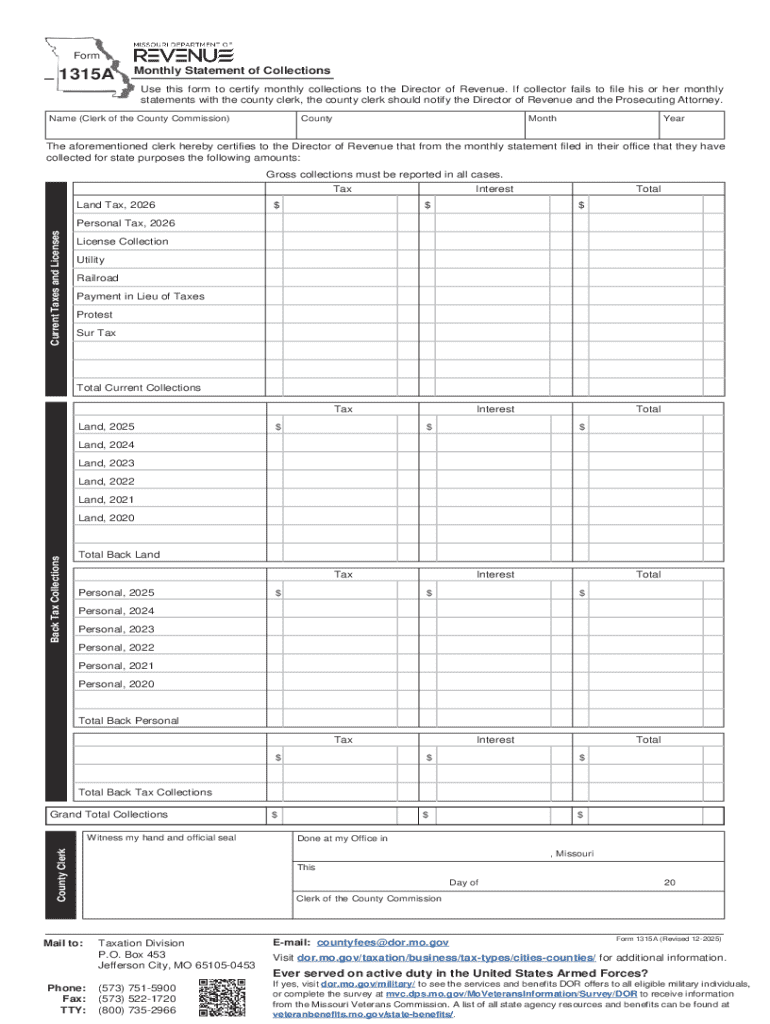
Online forms are digital versions of traditional paper forms designed to be completed and submitted via the internet. They serve various purposes, including data collection, application submissions, and transaction initiations. Online forms provide the convenience of remote access, allowing users to interact with them from any internet-enabled device. They can range from simple contact forms on websites to complex application forms used by government agencies, businesses, and educational institutions.
Online forms are integral in modern workflows, ensuring seamless communication and data exchange between parties. They eliminate the need for physical storage, reduce processing time, and offer ease of access. Moreover, they can be easily integrated with databases, providing automatic data validation and facilitating immediate data analysis.
Steps to Complete an Online Form
Completing an online form involves several straightforward steps, although the specific process may vary depending on the form's complexity and purpose. Here is a step-by-step guide that covers the general process:
-
Accessing the Form: Locate the form on the relevant website or within an application. It might be linked within an email or directly accessible through the organization's website.
-
Understanding Instructions: Begin by reviewing any instructions or guidelines provided. This ensures you comprehend the requirements and expected format for each field.
-
Providing Personal Information: Enter your personal details, usually starting with your name, address, and contact information. Each field should include clear labels indicating the information needed.
-
Filling Out Specific Fields: Input the required data in the designated fields. Utilize dropdown menus and radio buttons where applicable to streamline data entry.
-
Reviewing and Correcting Errors: Before submission, review the entire form to check for any errors or incomplete fields. Most forms have validation features that highlight issues in real time.
-
Submitting the Form: Click the submit button to finalize and send your form. Many platforms provide a confirmation message or email once your form submission is successful.
Benefits of Using Online Forms
Utilizing online forms offers numerous benefits, making them a preferred choice for many organizations and individuals:
-
Efficiency: Reduce time spent on manual entries and paperwork. Online forms can process information quickly and accurately.
-
Accessibility: Forms can be accessed 24/7 from any location, ensuring flexibility and convenience for users.
-
Cost-Effective: Eliminates the need for printing and physical storage, significantly reducing operational costs.
-
Data Integration: Seamlessly integrate with databases and CRM systems for automated data entry and management.
-
Customization: Easily tailored to fit specific needs with various field types and layouts, accommodating diverse data collection requirements.
-
Environmentally Friendly: Reduces paper usage, contributing to environmentally sustainable practices.
Legal Use of Online Forms
Legal considerations are paramount when utilizing online forms, particularly for contracts, applications, and transactions involving personal data. Here are crucial aspects to consider:
-
Compliance with Regulations: Ensure that the form complies with relevant data protection laws, such as the GDPR or CCPA. This includes obtaining explicit consent for data collection and processing.
-
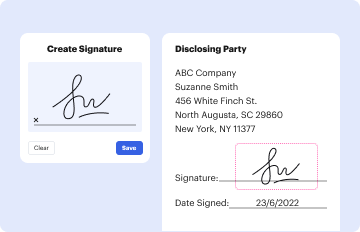
Electronic Signatures: Make provisions for electronic signatures, which are legally binding under laws like the ESIGN Act in the U.S. This enables the online execution of agreements with the same legal standing as paper contracts.
-
Privacy Policies: Transparently outline how personal data will be used and protect this data by implementing strong security measures and providing users with access control over their submitted information.
-
Audit Trails: Implement features that offer a detailed record of the data collected, including edits and submissions, ensuring accountability and traceability.
-
Data Encryption: Protect user information with robust encryption during transmission and storage, mitigating risks associated with data breaches.
Important Terms Related to Online Forms
Understanding the terminology associated with online forms enhances effective usage and comprehension:
-
Form Field: The individual components users fill out, such as text boxes, radio buttons, or checkboxes.
-
Dropdown Menu: A field type that allows users to select options from a predefined list.
-
Validation: The process of ensuring data entered meets specified criteria to prevent errors and ensure quality.
-
Captcha: A tool used to differentiate human from automated form submissions, often required to prevent spam.
-
Submission Confirmation: A notification or message received after a form has been successfully submitted, confirming receipt.
-
Form Builder: Software or platforms that enable the design and customization of online forms without extensive coding knowledge.
Key Elements of Online Forms
Successful online forms incorporate several key elements, ensuring functionality and user-friendliness:
-
Clear Design: Use an intuitive and straightforward design with labels and instructions adjacent to relevant fields to guide users effortlessly.
-
Responsiveness: Ensure the form works seamlessly across different devices and screen sizes, from desktops to smartphones.
-
User Guidance: Provide tooltips or help icons next to fields that might require additional explanation, reducing potential confusion during form completion.
-
Form Logic: Implement conditional logic that dynamically modifies form fields based on user responses to simplify the form-filling experience.
-
Submission Flexibility: Enable users to save progress and return to complete the form later, particularly for comprehensive or lengthy forms.
Examples of Using Online Forms
Online forms serve various sectors and purposes. Here are a few examples illustrating their diverse applications:
-
Job Applications: Organizations use online forms to streamline the hiring process, capturing applicant information and verifying candidate qualifications efficiently.
-
Customer Feedback: Businesses deploy feedback forms online to gather customer opinions on products or services, driving improvements and customer satisfaction.
-
Event Registrations: Online forms streamline the registration process for events, allowing organizers to collect participant information and preferences effortlessly.
-
Government Services: Agencies provide online forms for applications such as driver's licenses or permits, facilitating faster processing and reduced administrative workload.
Software Compatibility with Online Forms
Compatibility with various software platforms is essential to maximize the utility of online forms, enhancing their functionality and integration capabilities:
-
CRM and ERP Systems: Seamless integration with customer relationship and enterprise resource planning systems to automatically input collected data.
-
Document Management Software: Compatibility with platforms like DocHub streamlines document editing, signature collection, and form submission processes.
-
Accounting Software: Works with tools like QuickBooks to automate invoicing and financial data entry, improving financial management accuracy.
-
Email Marketing Platforms: Integration with systems such as Mailchimp allows collected data to feed directly into email campaigns, enhancing marketing efforts.