





Definition and Meaning of Form Online
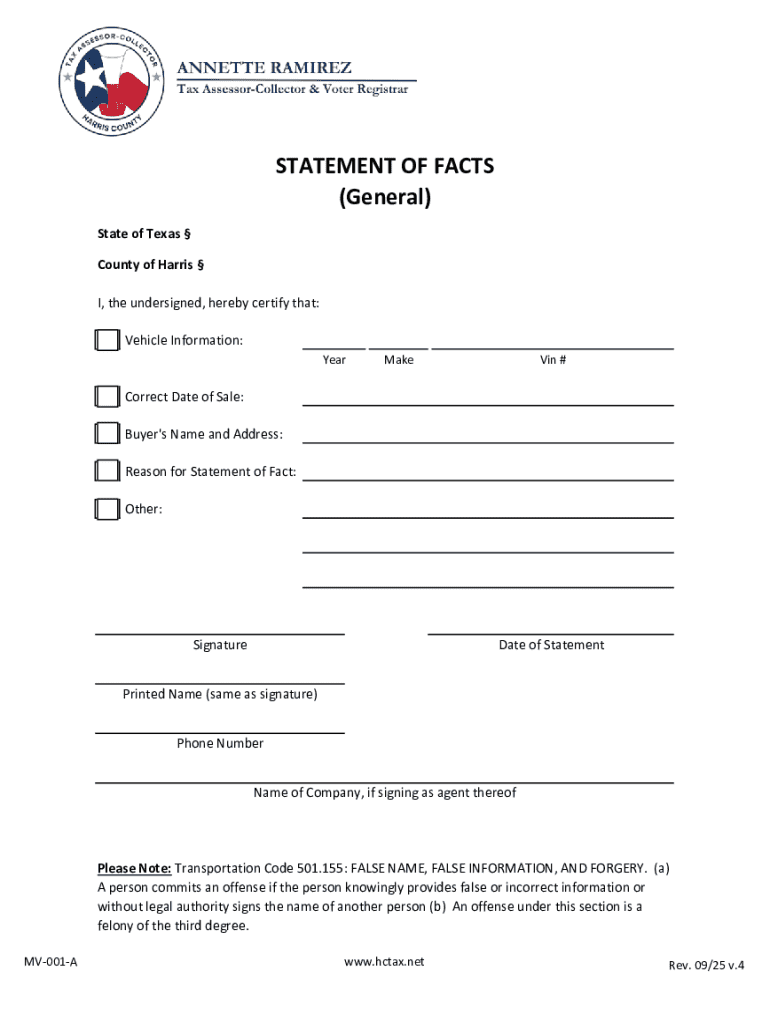
Forms online refer to digitally accessible documents that users can fill out, submit, and manage entirely over the internet. These forms encompass various types, including applications, surveys, and contracts, making them a crucial tool in streamlining processes for both individuals and businesses. Utilizing forms online simplifies the data collection process by eliminating the need for physical paperwork, allowing for immediate submission, and facilitating real-time updates and verification.
Use Cases and Benefits
- Applications: Job, housing, and educational applications often utilize online forms for streamlined submission and tracking.
- Surveys and Feedback: Companies and researchers collect data seamlessly from respondents worldwide through digital surveys.
- Contracts and Agreements: Legal documents can be prepared and signed electronically, speeding up contract lifecycle and ensuring proper record-keeping.
How to Use the Form Online
To effectively use a form online, follow a structured approach that ensures efficiency and accuracy. Start by understanding the purpose and requirements of the form, then proceed to complete it using a systematic process.
- Access the Form: Locate the form on the desired platform, whether through a direct link, a company's website, or a government portal.
- Verify Requirements: Make sure all necessary information and documents are available, such as identification numbers or financial data.
- Fill Out the Form: Enter data carefully, following any instructions provided to avoid errors or omissions.
- Review and Edit: Check for accuracy and completeness, and update sections as needed before final submission.
- Submit and Save: Submit the form online and save a digital copy for your records.
How to Obtain the Form Online
Obtaining forms online involves a straightforward process accessible to most users. Here’s a step-by-step guide to finding and acquiring the necessary forms:
- Identify the Source: Determine where the form is hosted, such as a government website for tax forms or a business’s site for job applications.
- Search the Database: Use search functionalities on the site to find the specific form by name, ID, or related keywords.
- Download or Access: Depending on the platform, you may need to download the form or fill it out directly on the website.
- Ensure Compatibility: Verify that your computer or mobile device is compatible with any software or plugins required to access the form.
Steps to Complete the Form Online
Completing an online form efficiently requires careful adherence to the following steps:
Preparing to Fill Out the Form
- Gather Information: Collect all necessary details and supporting documents beforehand.
- Identify Required Fields: Prioritize fields marked as mandatory to avoid submission errors.
Filling the Form
- Enter Information: Fill in personal and required details accurately.
- Use Drop-downs and Options: Select from pre-defined choices where provided to ensure consistency.
- Add Attachments: Upload any supporting documents if required.
Finalizing the Form
- Review Submission: Double-check all entries for accuracy and completeness.
- Submit: Follow the guidelines for digital submission and confirm receipt through email or notification.
Key Elements of the Form Online
Understanding the core components of an online form can enhance your ability to complete it efficiently. Key elements include:
- Header: Contains the title, form number, and purpose.
- Instructional Guide: Provides guidelines on how to fill out the form, including any legal or procedural requirements.
- Fields and Sections: Organized categories for entering data, including personal information, financial data, or declarations.
- Submission Details: Directions for submitting the form, including contact information and submission deadlines.
Important Terms Related to Form Online
Navigating forms online often involves understanding specific terminology:
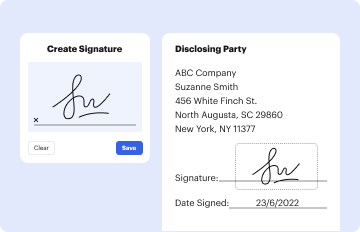
- E-signature: A digital form of signing a document electronically to validate its authenticity.
- Captcha: A tool used to verify the user is human, protecting against automated submissions.
- Encryption: Secures online data transmission to protect sensitive information.
Legal Use of Form Online
Legal considerations are vital when using online forms. Forms used for official transactions, like tax submissions or contracts, must meet specific legal standards to be valid.
Compliance and Security
- Data Protection: Forms must comply with data privacy regulations, ensuring personal information is secure.
- Legal Binding: Online forms, especially those requiring signatures, should adhere to acts such as the ESIGN Act in the U.S. to be legally binding.
- Authentication: Multi-factor authentication may be used to verify identity before accessing or submitting sensitive forms.
Examples of Using the Form Online
Real-world scenarios illustrate the versatility of online forms:
- Tax Filings with the IRS: Taxpayers can use IRS online forms for efficient filing, facilitated by platforms like TurboTax.
- University Applications: Students can apply to multiple institutions through central websites like the Common Application, filling up forms online.
- Healthcare Surveys: Patients provide feedback or enroll in health programs through online form submissions, streamlining administrative tasks.
State-Specific Rules for the Form Online
While forms are standardized, state-specific regulations can affect their completion and submission:
- Tax Forms: States may have unique tax forms separate from federal ones, each with specific instructions and submission guidelines.
- Business Registrations: Varies by state, involving different forms for business licensing and permits.
Understand regional regulations and requirements to ensure compliance with local laws and avoid potential penalties.