






Definition and Purpose of the 2025 I-0101 Schedule SB, Form 1 - Subtractions from Income
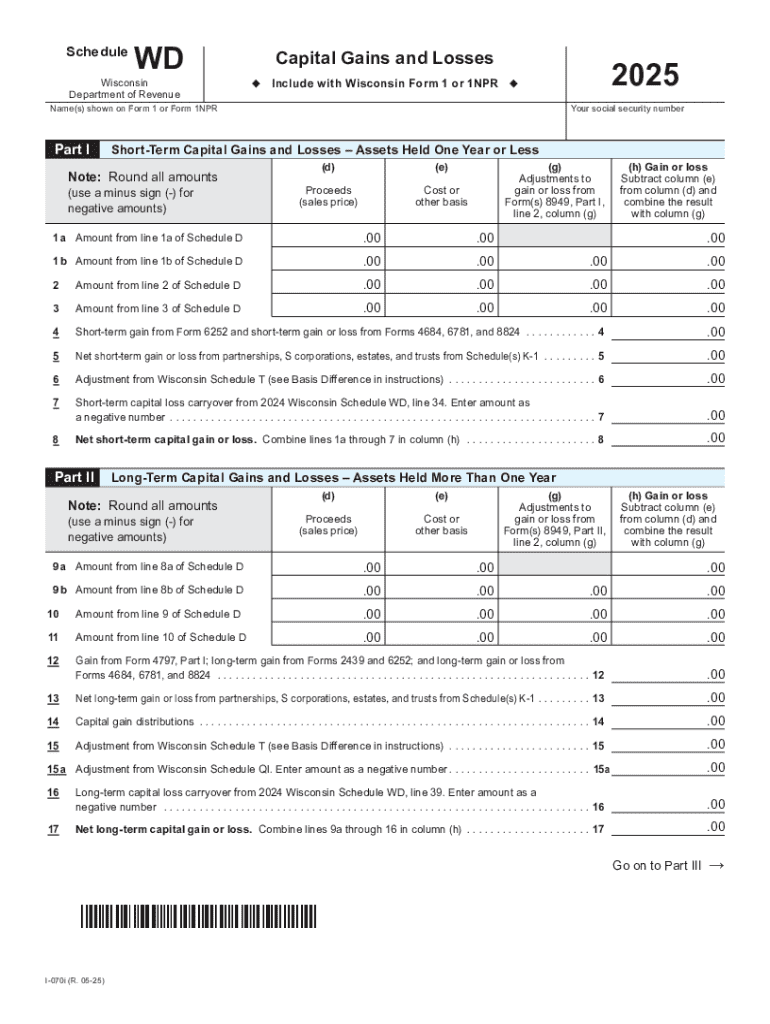
The 2025 I-0101 Schedule SB, Form 1 - Subtractions from Income is a tax form utilized in the United States to document specific subtractions from an individual's gross income. This form is typically completed by taxpayers to identify deductions that can be subtracted from gross income to determine the taxable income. It is often used by individuals who qualify for specific deductions due to factors such as retirement contributions, tuition expenses, or other special circumstances allowed by tax law. Understanding its purpose is essential for accurately filing taxes and ensuring compliance with IRS regulations.
Key Elements of the 2025 I-0101 Schedule SB, Form 1
- Income Sources: Identifies different types of income that may allow for subtractions, such as wages, investments, or self-employment income.
- Eligible Deductions: Lists the various deductions permitted, including retirement savings contributions, student loan interest, and tuition expenses.
- Calculation Details: Provides instructions and worksheets for calculating the total subtractions applicable to your income.
- Taxpayer Identification: Requires identification information such as Social Security Number (SSN) or Taxpayer Identification Number (TIN).
Important Terms Related to the Form
Understanding the terminology used in the form is crucial for accurate completion:
- Adjusted Gross Income (AGI): This is the taxpayer's gross income after accounting for allowable reductions.
- Standard Deduction: A specific dollar amount that reduces taxable income; taxpayers can choose between a standard deduction or itemizing deductions.
- Exemptions: Specific amounts that can be deducted based on dependents or other qualifying factors.
Steps to Complete the 2025 I-0101 Schedule SB, Form 1
- Gather Necessary Documents: Collect relevant documents, such as W-2s, 1099s, and statements of interest income.
- Enter Basic Information: Provide your personal details, including name, address, and SSN.
- Calculate Subtractions: Use the worksheets provided to calculate any eligible deductions from your income.
- Complete the Form: Fill in all required fields with the calculated subtractions, ensuring accuracy.
- Review and Submit: Thoroughly review the completed form for errors before submission. Submit the form as instructed, based on the selected filing method.
Software Compatibility for Filing
Various software programs facilitate the filling of the 2025 I-0101 Schedule SB:
- TurboTax: Provides step-by-step guidance for inputting data and calculating subtractions.
- H&R Block: Offers tools to ensure all eligible subtractions are claimed appropriately.
- QuickBooks: Integrates with tax forms for business owners to streamline reporting and deductions.
These platforms can significantly simplify the form completion process and ensure compliance with guidelines.
State-Specific Rules and Regulations
Different states may have unique regulations regarding what subtractions can be claimed:
- Virginia: Offers subtractions for state-specific tax credits.
- New York: Allows for certain tuition credits and deductions specific to the state's education policies.
- California: Has distinct rules for deduction of retirement contributions, which differ from federal guidelines.
Checking with state regulations is important to maximize potential subtractions and avoid any discrepancies.
Common Taxpayer Scenarios


Retirees
Retirees often utilize the 2025 I-0101 Schedule SB to subtract pension income or social security benefits that may be exempt under certain conditions.
Self-Employed Individuals
Taxpayers with self-employment income can claim deductions for business expenses and specific health savings accounts.
Students
Students or recent graduates can claim interest paid on student loans or tuition deductions up to specific limits.
Submission Methods for the 2025 I-0101 Schedule SB
- Online Filing: Supported by the IRS e-file system, allowing for direct submission through approved tax software.
- Mail Submission: Physical forms can be mailed to the IRS although it may take longer to process.
- In-Person Submission: Filing in person is less common but can be done at IRS offices for certain cases.
Choose the most appropriate submission method for your needs, considering timing and convenience.
Filing Deadlines and Important Dates
- April 15: Traditional due date for tax filing; extensions may be requested under specific circumstances.
- October 15: Final deadline if an extension is filed, offering additional time to complete the form and finalize subtractions.
Implications of Missing Deadlines
Failing to file by the deadline can result in penalties and interest on taxes due. Ensuring timely completion prevents additional costs.