




01. Edit your form online
Type text, add images, blackout confidential details, add comments, highlights and more.

Type text, add images, blackout confidential details, add comments, highlights and more.

Draw your signature, type it, upload its image, or use your mobile device as a signature pad.

Send it via email, link, or fax. You can also download it, export it or print it out.
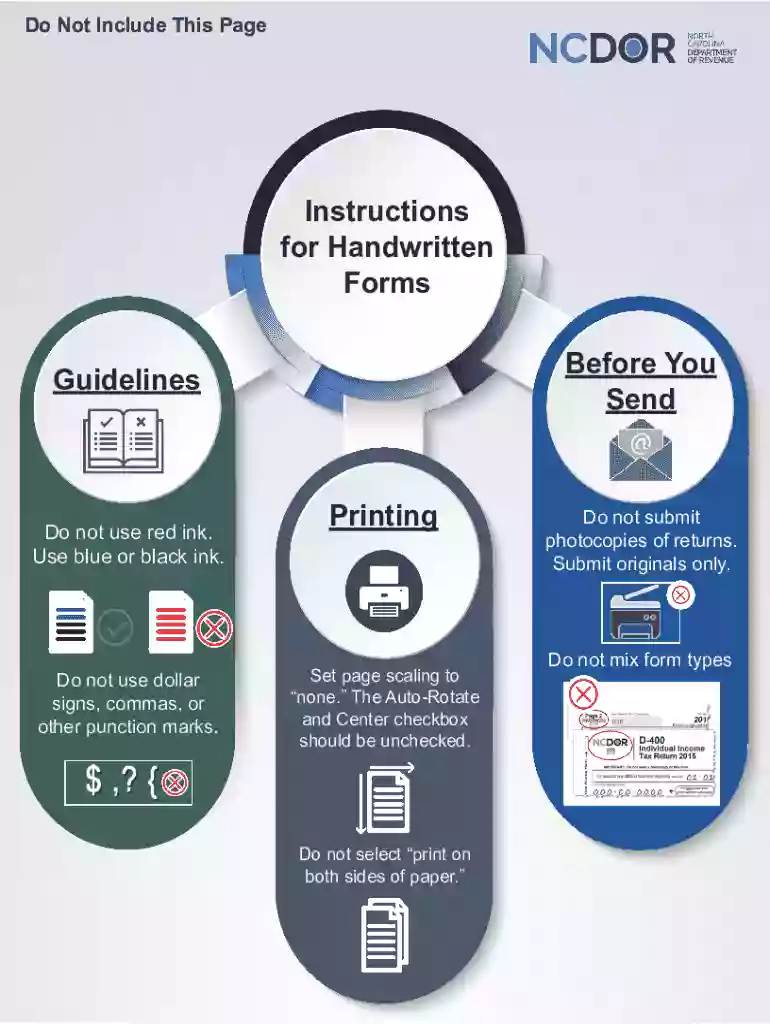
Completing handwritten forms accurately is crucial to avoid processing delays. Here are detailed steps to ensure you fill out these forms correctly:
Gather Necessary Materials:
Understand the Form Requirements:
Fill in Personal Information:
Provide Relevant Details:
Review for Completion:
Sign and Date the Form:
Submission Preparation:
Understanding the common guidelines for handwritten forms can prevent errors:
When handling handwritten forms, several elements must be keenly observed:
In the United States, certain handwritten forms may have state-specific requirements:
Handwritten forms still serve valuable purposes despite digital advancements:
Various groups regularly interact with handwritten form instructions:
Maintaining legal compliance with handwritten forms is essential:
While digital forms are increasing in popularity, handwritten forms remain relevant:
Paper Forms:
Digital Forms:
Accessing handwritten forms typically involves:
We've got more versions of the Instructions for Handwritten Forms Guidelines Printing Before You form. Select the right Instructions for Handwritten Forms Guidelines Printing Before You version from the list and start editing it straight away!
| Versions | Form popularity | Fillable & printable |
|---|---|---|
| 2025 | 4.3 Satisfied (26 Votes) | |
| 2024 | 4.5 Satisfied (34 Votes) | |
| 2023 | 4.9 Satisfied (52 Votes) | |
| 2022 | 4.5 Satisfied (49 Votes) | |
| 2021 | 4.8 Satisfied (49 Votes) | |
| 2020 | 4.8 Satisfied (82 Votes) | |
| 2019 | 4.4 Satisfied (213 Votes) | |
| 2018 | 4.2 Satisfied (91 Votes) | |
| 2017 | 4.3 Satisfied (144 Votes) | |
| 2016 | 4.4 Satisfied (70 Votes) |
At DocHub, your data security is our priority. We follow HIPAA, SOC2, GDPR, and other standards, so you can work on your documents with confidence.


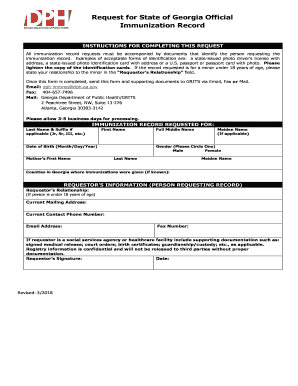


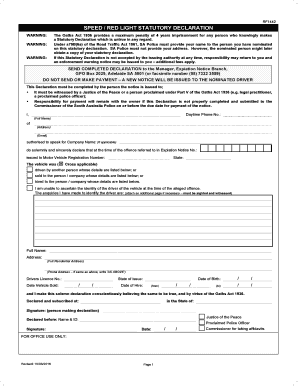
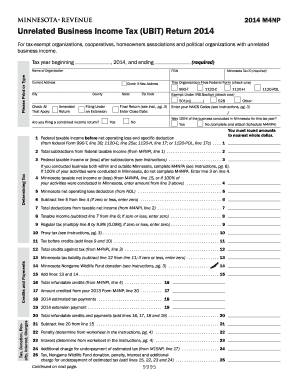
Before you print, load paper for the type of printing you will do. Loading Plain Paper in the Cassette. Loading Photo Paper in Cassette 1. Loading Envelopes.Read more
Do not select print on both sides of paper. Before You. Send. Do not submit photocopies of returns. Submit originals only.Read more
by DJ Purtell 1963 Cited by 2 this form will aid other departments and agencies in evaluating their own methods of obtaining handwriting standards or in developing forms. StructurallyRead more


