





Definition and Meaning of Form Online
Form online refers to the digital version of traditional paper forms that are used for various purposes such as tax filing, legal documentation, or data collection. These forms are filled out and submitted electronically, allowing for greater efficiency and accuracy compared to manual processes. They often include interactive features like dropdown menus, checkboxes, and autofill options to guide the user through the completion process. By transitioning forms from paper to digital formats, organizations and individuals can streamline processes, reduce the likelihood of errors, and improve data handling.
How to Use the Form Online
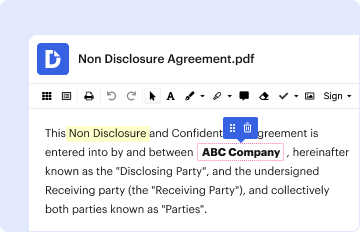
To complete a form online, you will typically access it via a website or specialized software like DocHub. The process involves:
-
Accessing the Form: Locate and open the online form on a compatible platform. This can often be done through a web browser or a dedicated application.
-
Filling Out Details: Enter required information into designated fields, which may include text boxes, dropdown selections, and date pickers.
-
Reviewing Entries: Carefully review the completed form for accuracy and completeness to ensure that all required sections are properly filled out.
-
Submitting the Form: Click the submit button if you are completing the form online. For platforms like DocHub, you can also email the filled form directly from the application or export it to another software environment.
Steps to Complete the Form Online
When completing a form online, follow these detailed steps for the best results:
-
Prepare Required Information: Gather all necessary documents and data before starting to fill out the form.
-
Read Instructions Carefully: Review any instructions provided to understand specific requirements or guidelines.
-
Enter Personal and Specific Information: Fill in personal details and other specific information accurately.
-
Validate Data Entries: Use built-in validation tools if available to check for missing or inconsistent information.
-
Attach Supporting Documents: If required, upload any supporting documents directly to the form.
-
Submit and Save Confirmation: After submitting, save a copy of the confirmation or receipt.
Who Typically Uses the Form Online
Forms online are widely used across various sectors:
- Individuals: For tax filings, applying for permits, and completing educational applications.
- Businesses: For regulatory compliance, employee onboarding, and client surveys.
- Government Agencies: For collecting census data, issuing licenses, and managing public records.


Legal Use of the Form Online
Online forms must comply with legal standards to ensure their validity and enforceability. This includes adherence to data protection laws, electronic signature regulations, and documentation retention requirements. Platforms such as DocHub provide compliant solutions that meet legal standards like the ESIGN Act in the United States, guaranteeing that electronically signed documents are legally binding.
Important Terms Related to Form Online
Understanding key terms associated with forms online can enhance clarity and ease of use:
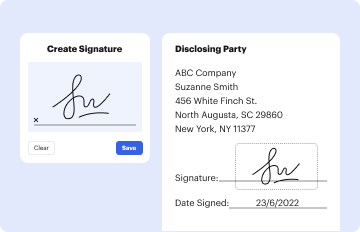
- E-Signature: A digital version of a handwritten signature, used to sign documents online.
- Encryption: A security measure that protects data by converting it into a code to prevent unauthorized access during transmission and storage.
- AutoFill: A feature that automatically populates fields with common data to save time.
State-Specific Rules for the Form Online
Some online forms are subject to variations based on state-specific regulations:
- Tax Forms: Different states may have customized tax forms with unique information reporting requirements.
- Legal Documents: Legal forms such as state-specific power of attorney or living wills may have particular clauses required by state law.
Examples of Using the Form Online
Real-world scenarios illustrate the versatility and convenience of online forms:
- Tax Returns: Filing state and federal taxes using IRS e-file systems and affiliated software.
- Job Applications: Submitting employment applications through company websites or job portals.
State-by-State Differences in Form Online
Online forms can differ widely based on geographic jurisdictions, which may include:
- Variation in Tax Rates: State tax forms may reflect different tax rates or exemptions.
- Diverging Legal Requirements: Legal documents may need adjustments to comply with state-specific legal nuances.
Form Submission Methods: Online, Mail, In-Person
Forms can be submitted through various methods, each with its pros and cons:
- Online Submission: Fast and efficient, often with instant confirmation.
- Mail Submission: Longer processing times and a higher risk of being lost.
- In-Person Submission: Ensures physical delivery but can be time-consuming.
Required Documents for Completing the Form Online
To successfully complete and submit online forms, certain documents may be necessary. Examples include identification documents for verifying identity, recent financial statements for tax or loan applications, and supporting documents for legal claims. Being well-prepared with these documents ensures a smooth and efficient process.
Versions or Alternatives to the Form Online
Various versions or alternatives to online forms may exist:
- Draft Versions: Initial samples that allow for testing or practice runs.
- Paper Alternatives: Traditional paper options available for those without internet access.
- Simplified Editions: Shorter versions for basic use cases, often beneficial for individuals with straightforward needs.
Digital vs. Paper Version of Forms
Benefits of digital forms over their paper counterparts:
- Efficiency: Faster completion and easier to distribute.
- Environmental Impact: Reduced paper usage, supporting sustainable practices.
- Accessibility: Accessible from multiple devices, allowing for greater flexibility.