
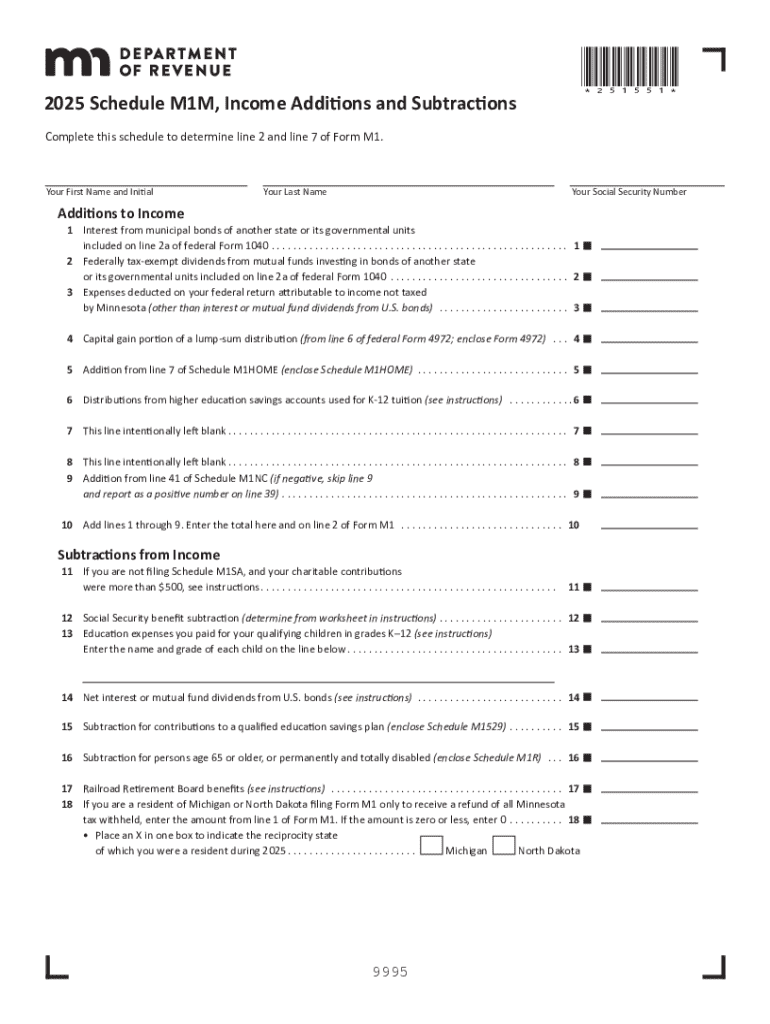





Definition & Meaning of "Form Online"
The concept of a "form online" involves accessing, completing, and submitting forms via the internet. These forms can range from tax documents, legal applications, to personal or business data submissions. Online forms facilitate a more efficient, paperless approach to handling official documents, enhancing convenience and accessibility. Many organizations, including governments and private entities, have adopted online forms to replace or supplement traditional paper forms.
- Accessibility: Forms are available 24/7, making them accessible from any internet-enabled device.
- Efficiency: Online forms streamline data entry and processing, reducing errors associated with manual data entry.
- Eco-Friendly: They minimize paper usage, supporting environmental conservation efforts.
How to Use the Form Online
Using an online form requires understanding the steps necessary to access, fill out, and submit the form accurately. Here’s a general guide:
- Access the Form: Navigate to the website where the form is hosted. This is typically accessible via a search engine or directly entering the URL.
- Read Instructions: Familiarize yourself with any instructions provided to avoid errors during completion.
- Complete the Form: Enter the requested information diligently, ensuring all mandatory fields are filled.
- Review: Double-check all entered details for accuracy and completeness.
- Submit: Click the submit button, following any additional instructions for confirmation or verification.
Steps to Complete the Form Online
Completing an online form is a straightforward process:
- Register/Login: If required, create an account or log in with existing credentials to access the form.
- Fill Personal Details: Start with basic information such as name, address, and contact details.
- Provide Specific Information: Depending on the form type, enter additional information needed for the form's purpose (e.g., income data for tax forms).
- Attach Supporting Documents: If applicable, upload any required documents in the specified file formats (PDF, DOCX, etc.).
- Verify Information: Check all entered data for correctness.
- Submit and Confirm Submission: Submit the form and save a copy of any confirmation or receipt provided for your records.
Why You Should Use Forms Online
Transitioning to online forms provides numerous benefits:
- Speed: Online submission often results in faster processing times compared to traditional paper forms.
- Convenience: Complete forms from the comfort of your home without the need to visit physical offices.
- Secure Data Handling: Many platforms employ advanced encryption methods to protect your information during transmission and storage.
- Ease of Access: Easily retrieve past submissions for reference or record-keeping.
Who Typically Uses Forms Online
A wide range of users benefit from online forms across various sectors:
- Individuals: For personal applications like job applications, tax returns, and permit requests.
- Businesses: For submitting compliance documents, registrations, and various operational permits.
- Government Employees: For streamlining citizen services and internal processes.
- Educational Institutions: For admissions, scholarships, and information collection from students.
Key Elements of the Form Online
Understanding the critical components of an online form enhances proper completion:
- Header and Title: Displays the form’s purpose and authority.
- Personal Information Section: Gathers basic identifying details.
- Instructions and Guidelines: Provides necessary instructions and procedural information.
- Input Fields: Spaces to input data or select from predefined options like dropdowns or checkboxes.
- Submission Button: Command to finalize and send the form data to the managing entity.
State-Specific Rules for Forms Online
Forms may have state-specific variations and requirements, especially in regions with localized legal or administrative regulations. For example:
- Tax Forms: States might have different filing requirements or additional forms, such as sales taxes or property taxes.
- Business Registration Forms: Procedures and necessary documents can vary considerably.
- Legal Documentation: Elements related to state laws, such as notarization requirements, can be present.
These differences necessitate consulting local regulations and guidelines to ensure compliance. Users should always verify state-specific requirements from authoritative sources.
Digital vs. Paper Version
Comparing digital and paper forms highlights distinct advantages:
- Accuracy and Clarity: Digital forms reduce errors through validation checks and predefined formats.
- Storage and Retrieval: Digital forms offer easy storage on cloud services and effortless retrieval compared to physical document management.
- Cost-Effectiveness: Minimizes costs associated with printing, mailing, and physical storage.
Transitions to digital forms are often prioritized for the above reasons, providing a modern alternative to traditional paperwork.