Definition & Meaning
The Nevada Department of Taxation is a governmental agency responsible for administering the tax laws for the state of Nevada. It oversees the collection of taxes, handles taxpayer services, and provides guidance on compliance with state regulations. This department plays a vital role in ensuring that businesses and individuals adhere to state tax requirements, resulting in proper fiscal management and revenue generation for public services.
How to Use the Nevada Department of Taxation
To effectively use the resources offered by the Nevada Department of Taxation, businesses and individuals should regularly consult its website for updated tax information, forms, and instructions. The department provides tools and resources that assist taxpayers in understanding their obligations, filing taxes, and requesting tax-related advice. For seamless interaction, stakeholders are encouraged to create an online account to access personalized services such as tax payment schedules, filing history, and communication with tax officials.
Key Resources Available
- Tax forms and instructions: Download the necessary forms for various tax types.
- Guides and publications: Access detailed guides on specific taxes like sales tax and use tax.
- Online tax services: Use the portal for electronic filing and payment of taxes.
Steps to Complete the Nevada Department of Taxation Forms
Completing forms is a critical part of meeting tax obligations. Follow these steps to ensure accurate form submission:
- Identify the Correct Form: Determine which tax form is applicable to your situation—be it sales tax, use tax, or corporate tax. Refer to the Nevada Department of Taxation website for guidance.
- Gather Required Information: Collect necessary financial documents such as income statements, sales records, and expense receipts.
- Fill Out the Form: Carefully enter all required information, ensuring accuracy and completeness. Utilize online resources or software to assist where available.
- Review and Verify: Double-check all entered data for errors before finalizing the form.
- Submit the Form: Depending on the form, submit it electronically via the department’s portal or mail it to the designated address.
Who Typically Uses the Nevada Department of Taxation
The Nevada Department of Taxation is utilized by a diverse demographic, including:
- Individual Taxpayers: Residents and non-residents with tax obligations in Nevada.
- Businesses: Corporations, partnerships, and small businesses across various sectors.
- Tax Professionals: Accountants and tax advisors using department resources to assist clients.
- Government Agencies: Coordinating tax-related activities with state and federal counterparts.


Important Terms Related to the Nevada Department of Taxation
Understanding the following terms is crucial for navigating tax processes:
- Sales Tax: A tax imposed on the sale of goods and services within Nevada.
- Use Tax: A tax on items purchased outside Nevada but used within the state.
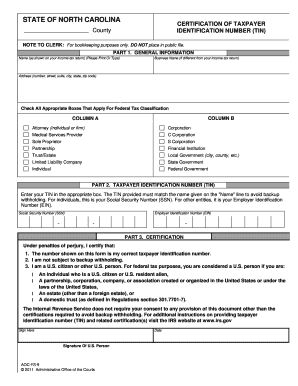
- Taxpayer Identification Number (TIN): A unique identifier for individuals and businesses in tax filings.
- Tax Credit: A reduction in tax liability, often provided for specific actions or purchases.
- Voluntary Disclosure Agreement (VDA): Allows businesses to meet tax obligations without penalties for certain conditions.
State-Specific Rules for the Nevada Department of Taxation
Nevada has unique tax regulations due to its absence of a state income tax. However, it levies several other taxes:
- Modified Business Tax (MBT): A tax on the total gross wages of businesses exceeding a specific threshold.
- Commerce Tax: An annual tax on the gross revenue of businesses operating in Nevada, applied differently depending on industry classification.
Considerations for Businesses
- Ensure compliance with Nevada’s specific tax categories, such as gaming and lodging taxes, which are highly regulated.
- Stay informed about rule changes by subscribing to department updates.
Filing Deadlines / Important Dates
Meeting filing deadlines is crucial for compliance and avoiding penalties. Key dates include:
- Annual Sales Tax Return: Typically due by January 31 for the previous calendar year.
- Modified Business Tax Returns: Due quarterly, with specific deadlines depending on business classifications.
- Commerce Tax Filing: Due by August 15 annually, reflecting the fiscal year's gross revenue.
Understanding these deadlines helps businesses and individuals manage their tax responsibilities efficiently.
Form Submission Methods (Online / Mail / In-Person)
The Nevada Department of Taxation offers multiple channels for submitting forms:
- Online: The preferred method, offering convenience and speed through the Nevada Tax Center.
- Mail: For those opting for traditional submission, forms can be sent to designated department addresses.
- In-Person: Assistance is available at department offices for submitting forms and resolving queries directly.
Each method provides distinct advantages, allowing taxpayers to choose the option that best suits their needs.