Definition and Meaning of the Cancer Application Form
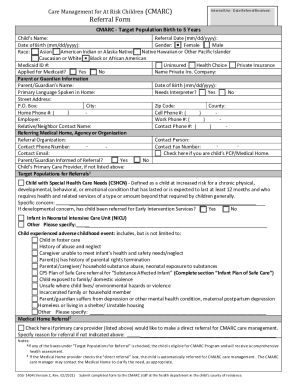
The cancer application form is a documentation tool used to collect essential information from individuals diagnosed with cancer. It serves as an application for various support services, benefits, and programs available to cancer patients. These forms vary widely in purpose, ranging from medical insurance applications to assistance programs designed to support the clinical and financial needs of patients undergoing treatment. The primary goal of the cancer application form is to streamline the information-gathering process and ensure the effective allocation of resources.
Cancer forms typically capture detailed personal and medical information, ensuring healthcare providers, support organizations, and insurance companies have the necessary data to offer precise support. This documentation is crucial for understanding a patient's treatment needs, potential financial assistance, and eligibility for various programs aimed at cancer care.
How to Use the Cancer Application Form
Understanding how to use the cancer application form is essential for those who seek to benefit from its purpose. Here's how you can efficiently complete and utilize this form:
-
Review the Requirements: Before you begin filling out the form, review the instructions and requirements to understand what information and documents you need to provide.
-
Gather Necessary Information: Collect all relevant personal, medical, and insurance information, as these details are fundamental for completing the form accurately.
-
Complete the Form: Fill out each section of the form systematically. Ensure all mandatory fields are completed to avoid delays in processing.
-
Attach Supporting Documents: Any required documents that support your application should be attached as directed. For instance, medical reports, proof of diagnosis, and financial documents are often necessary.
-
Submit the Form: Follow the stipulated method for submission, which may include mailing, faxing, or online submission, as indicated in the form's instructions.
-
Follow Up: After submission, follow up with the issuing organization to ensure your form has been received and processed.
How to Obtain the Cancer Application Form
Securing the cancer application form can be done through several channels:
-
Healthcare Providers: Many hospitals and clinics offer relevant forms to their patients. Check with your healthcare provider or the caregiving institution.
-
Insurance Company: If the form is insurance-related, you can request it directly from your insurance provider.
-
Online Portals: Many organizations provide access to these forms on their websites. Look for downloadable PDFs for easy access.
-
Support Organizations: Cancer support groups and charity organizations often help patients access necessary forms and provide guidance on completion.
Steps to Complete the Cancer Application Form
Completing the cancer application form involves several systematic steps to ensure accuracy:
-
Read Instructions Carefully: Begin by reading through the entire form and any accompanying instructions to understand what is required.
-
Fill Out Personal Information: Provide all required personal details such as name, contact information, and Social Security number.
-
Include Medical Details: Accurately enter all requested medical information, including diagnosis, treatment plan, and healthcare provider details.
-
Provide Financial Information: If the form pertains to financial assistance, provide detailed financial data, including income and expenses.
-
Attach Documentation: Ensure all necessary documents are attached. These might include proof of diagnosis, income verification, and more.
-
Review for Accuracy: Before submission, double-check all entered information for completeness and accuracy.
-
Submit as Directed: Follow the specified instructions for submission via mail, online portal, or in-person delivery.
Who Typically Uses the Cancer Application Form
The form is typically used by:
-
Cancer Patients: Individuals diagnosed with cancer who seek medical treatment or financial assistance.
-
Caregivers and Families: Those assisting patients may complete forms on behalf of the patient.
-
Healthcare Providers: Physicians and healthcare staff may use the form to document necessary patient information.
-
Insurance Companies: Used to assess claims and provide covered services to policyholders.
-
Support Organizations: Non-profits and charity organizations use these forms to evaluate individuals for assistance programs.


Key Elements of the Cancer Application Form
Critical components of the cancer application form include:
-
Patient Identification: Collects personal information for identification purposes.
-
Medical History: Includes a section to provide detailed medical diagnosis and treatment plan.
-
Insurance and Financial Information: Requires financial data to determine eligibility for assistance programs.
-
Consent and Authorization: Signatures for releasing medical information to relevant organizations.
-
Supporting Documentation: Section for attaching necessary documents that validate the application’s requirements.
Legal Use of the Cancer Application Form
Legally, the cancer application form is used for:
-
Insurance Claims: To provide necessary information for claim processing and coverage.
-
Assistance Programs: Establishes eligibility for receiving financial aid or support services.
-
Medical Records: Allows healthcare providers to update and maintain patient records accurately.
Required Documents for the Cancer Application Form
The following documents are frequently required:
-
Proof of Identity: Such as a government-issued ID or Social Security card.
-
Medical Diagnosis: Documentation from a healthcare provider confirming the cancer diagnosis.
-
Income Verification: Recent pay stubs or tax returns to demonstrate financial need.
-
Insurance Information: Copies of insurance cards and policy details.
-
Consent Forms: Authorizations required for the release of medical and personal information.
Form Submission Methods
Submission methods for the cancer application form include:
-
Online Submissions: Many forms can be filled and submitted through secure online portals.
-
Mail: Physical copies can be mailed to the designated address.
-
In-Person: Submission directly to the institution or organization offering services.
-
Facsimile: Allowed by some organizations requiring a fax submission.