Definition and Purpose of the CT EFT-1 Form
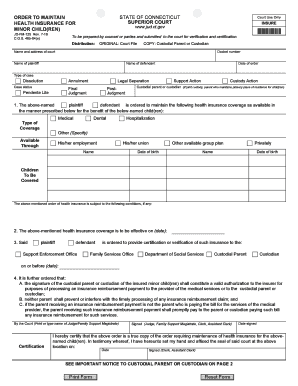
The CT EFT-1 form, known as the Authorization Agreement for Electronic Funds Transfers, is a critical document used by businesses and individuals in Connecticut to authorize electronic funds transfers for tax payments. This form is used to streamline and secure the payment of various state taxes directly from a bank account, ensuring timely compliance without the need for physical checks or money orders. The form establishes an agreement between the taxpayer and the Connecticut Department of Revenue Services (DRS) to allow electronic debit transactions from designated accounts, enhancing efficiency and accuracy in tax remittances.
How to Obtain the CT EFT-1 Form
You can obtain the CT EFT-1 form through multiple channels, ensuring accessibility for different user preferences. It is available for download from the Connecticut Department of Revenue Services (DRS) website, where you can find a printable PDF version ready for manual completion. For those who prefer digital means, the DRS offers options to complete the form electronically through their online portal, providing a more streamlined process without the need for physical paperwork. Additionally, businesses and tax professionals can access the form by contacting the DRS directly via phone or email, where support staff can assist with obtaining and filling out the form accurately.
Steps to Complete the CT EFT-1 Form
Completing the CT EFT-1 form requires careful attention to detail to ensure the correct authorization of electronic fund transfers. Here is a step-by-step guide:
- Begin by downloading the form from the Connecticut DRS website.
- Fill in the taxpayer's information, including name, address, and Connecticut Tax Registration Number. Ensure all details are accurate to prevent processing delays.
- Specify the bank account details from which the funds will be debited, including the bank name, routing number, and account number. Double-check these numbers for accuracy.
- Indicate the tax types for which the EFT authorization is being set up. This may include sales tax, corporate tax, or personal income tax, depending on the taxpayer's obligations.
- Review the completed form carefully, ensuring all sections are filled out correctly. Any errors may result in rejected transactions or incorrect debiting.
- Sign and date the form to confirm consent and authorization for the electronic transactions.
- Submit the completed form through the appropriate channel, either online or by mailing it to the DRS at the specified address.
Who Typically Uses the CT EFT-1 Form
The CT EFT-1 form is primarily used by businesses and individual taxpayers who have recurring tax obligations with the Connecticut Department of Revenue Services. This includes corporations, LLCs, partnerships, and sole proprietors who are responsible for remitting various state taxes. Moreover, tax professionals and accountants often utilize this form on behalf of their clients to facilitate seamless tax payment processes. The form is beneficial for any taxpayer seeking a secure and efficient method to handle tax payments, reducing the risk of late fees and non-compliance penalties.


Key Elements of the CT EFT-1 Form
The CT EFT-1 form encompasses several critical elements that must be accurately completed to authorize electronic fund transfers:
- Taxpayer Information: Includes personal or business details such as name, address, and Connecticut Tax Registration Number.
- Banking Details: Requires specific information about the bank account, such as routing and account numbers, to facilitate authorized debits.
- Consent for EFT: Involves a section where the taxpayer gives explicit consent to the state to electronically debit specified accounts for tax payments.
- Section for Tax Types: Allows specification of the particular state taxes to be paid through this method, ensuring clear communication with the DRS regarding remittance types.
Legal Use of the CT EFT-1 Form
The CT EFT-1 form is legally binding once completed, signed, and submitted to the Connecticut Department of Revenue Services. It serves as an agreement between the taxpayer and the state, authorizing the electronic debiting of designated bank accounts for tax payments. It is essential for taxpayers to understand that submitting the form implies consent to these transactions, making it imperative to ensure all provided information is accurate and up-to-date. Any unauthorized transactions resulting from errors on the form can lead to legal disputes and financial liabilities.
Digital vs. Paper Version
Taxpayers have the choice of completing the CT EFT-1 form in digital or paper format. The digital version offers the convenience of online submission, minimizing paperwork and expediting the authorization process. This method also facilitates easy corrections and updates, should the need arise. Conversely, the paper version requires manual completion and mailing to the DRS, possibly extending the processing time but providing a tangible record of the transaction for those who prefer physical documentation. Both methods are valid and cater to different user preferences, ensuring flexibility in managing tax remittances.
Penalties for Non-Compliance
Failure to correctly authorize or comply with electronic funds transfer requirements using the CT EFT-1 form can result in significant penalties for taxpayers. Non-compliance may lead to late payment fees, interest charges on overdue taxes, and potential audits by the Connecticut Department of Revenue Services. Businesses and individuals are advised to submit the form promptly and ensure all details are accurate and current to avoid these financial and legal repercussions. Proper completion and adherence to the form's requirements safeguard against any disputes or penalties related to tax payments in Connecticut.