






Definition and Meaning of L-6(21)
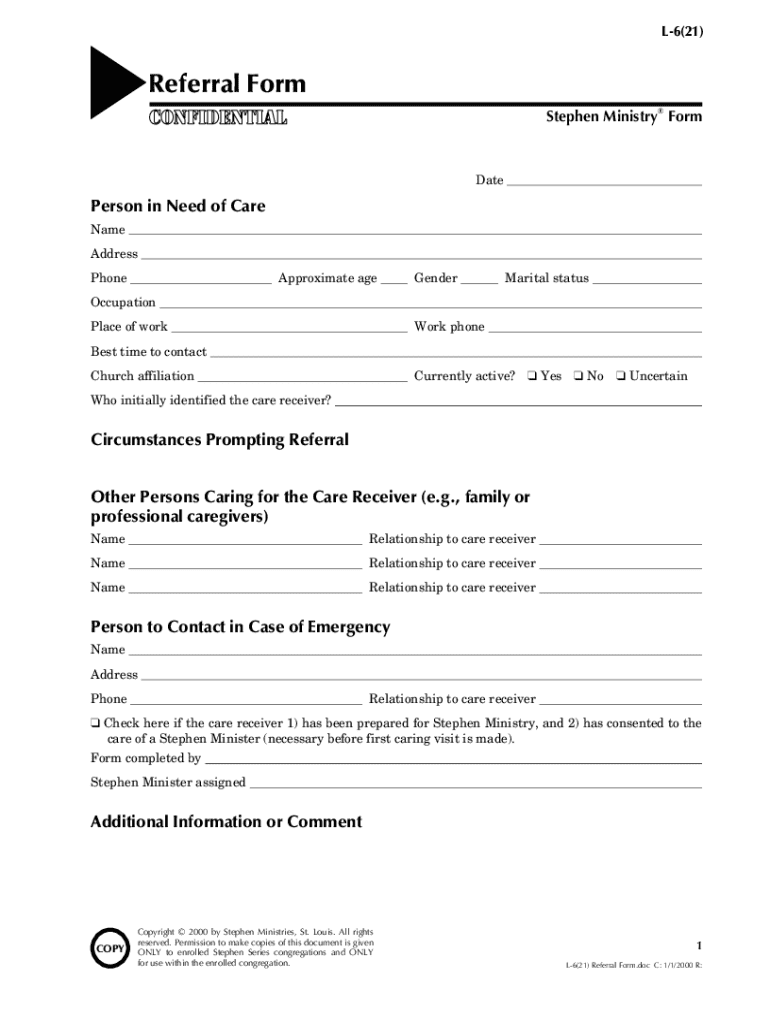
Form L-6(21) is an important document used within specific regulatory or business environments. Although the specific details may vary depending on its application, the form is generally associated with reporting or compliance requirements. It might be used for documenting transactions, recording personal or business details, or ensuring adherence to statutory obligations. Understanding the context in which the L-6(21) is used is critical to ensure accurate completion and submission. By mastering the purpose and structure of this form, individuals and businesses can avoid potential compliance issues and ensure that all necessary information is reported in alignment with legal standards.
How to Use Form L-6(21)
Using Form L-6(21) involves several steps to ensure that it fulfills its intended purpose accurately. Typically, users must gather specific information before beginning to fill out the form. This information might include personal details, financial data, or other relevant documentation that supports the entries made on the form. It's crucial to read through the entire form and any accompanying instructions to understand the requirements fully.
Once you have all the necessary details, proceed by filling out each section carefully. Pay particular attention to fields indicated as mandatory, as these are critical for the form's processing. After completing the form, review all entries for accuracy before submission. In certain cases, you may need to submit the form to a particular department or office, depending on the purpose it serves. Always ensure that you adhere to the submission guidelines, whether it involves an online portal, mail, or in-person drop-off.
Steps to Complete Form L-6(21)
-
Gather Required Information: Collect all necessary documents and details before starting the form.
-
Carefully Review Instructions: Read any guidelines provided with the form to ensure complete understanding of the requirements.
-
Fill Out the Form: Enter the required information in each section, ensuring that all mandatory fields are accurately completed.
-
Verify Information: Double-check all entries to avoid errors that might delay processing.
-
Prepare for Submission: Depending on the method of submission, ensure that you have met all necessary requirements such as signatures or additional attachments.
-
Submit the Form: Follow the specified procedure for submission, whether online, via mail, or in-person.
By following these steps, you can efficiently complete Form L-6(21) and minimize the possibility of errors or delays.
Key Elements of L-6(21)
Form L-6(21) is structured to gather specific information that involves multiple key elements. Typically, these elements may include:
-
Personal or Business Identification: This section gathers essential identification details such as name, social security number, or business identification number.
-
Financial Information: Parts of the form may require financial data such as income amounts, deductions, or other financial activities relevant to the form’s purpose.
-
Statement of Purpose: Users might need to explain the reason for the form’s submission, detailing the nature of the transaction or the activity being reported.
-
Signatures: A section for signatures is usually included, requiring the form to be signed by the responsible parties to assert the data's accuracy.
These elements are integral to the form's function, and understanding each part contributes to the successful completion and submission of Form L-6(21).
Eligibility Criteria for L-6(21)
Understanding the eligibility criteria for utilizing Form L-6(21) is crucial for correct usage. The eligibility may be determined based on several factors such as the entity type, the purpose of the form, or specific qualifying activities:
-
Personal Eligibility: Individuals may qualify to use the form based on specific conditions like residency status or income bracket.
-
Business Eligibility: Businesses must often meet certain operational criteria, such as revenue limits, business activities, or employee count.
-
Special Circumstances: In some cases, eligibility may extend to those undergoing certain legal or financial processes, like bankruptcy or mergers.
Ensuring that you fall within the prescribed eligibility criteria is vital to ensure that the form submission is valid and compliant.


Legal Use of Form L-6(21)
Form L-6(21) plays a significant role in meeting legal requirements related to specific regulations or taxes. Its legal use ensures compliance with federal or state mandates and helps in avoiding penalties associated with non-compliance. This form may be involved in:
-
Compliance Reporting: Ensuring that an entity meets legal obligations concerning financial transactions or business operations.
-
Tax Filing Requirements: The form could be used to report income, deductions, or credits pertinent to tax laws.
-
Regulatory Documentation: Certain sectors might use the form to report compliance with industry-specific regulations.
Adhering to legal guidelines when using Form L-6(21) is essential to maintain good standing with regulatory bodies and avoid fines.
Examples of Using Form L-6(21)
Form L-6(21) can be applied in various scenarios revealing its flexibility across different contexts:
-
Income Documentation: Individuals might use it to report earnings or deductions on annual tax returns.
-
Business Transaction Reports: Companies can rely on the form to document certain fiscal activities required for regulatory compliance.
-
Regulatory Filings: In industries like finance or healthcare, the form ensures that necessary operational data is reported to governing bodies.
Each of these scenarios highlights the importance of accurately completing Form L-6(21) to effectively support documentation and reporting requirements.
State-Specific Rules for L-6(21)
State-specific rules for Form L-6(21) can vary significantly, and it is important to be aware of the requirements specific to your location. Different jurisdictions may have unique filing deadlines, submission procedures, or additional documentation requirements. Considerations include:
-
Variations in Submission Deadlines: States may impose different deadlines which could affect the timing and priority of form completion.
-
Additional Documentation Requirements: Some states might require supplementary forms or different types of supporting documentation.
-
Filing Method Preferences: While some states facilitate online submissions, others may rely more on paper forms.
Navigating state-specific rules is key to ensuring that Form L-6(21) adheres to all necessary regional regulations for an error-free filing process.