






Understanding the 2025 State and Local Tax Forms and Instructions
Navigating the complexities of the 2025 state and local tax forms can be daunting. These forms are crucial for individual and business taxpayers to accurately report their tax liabilities to respective state and local tax authorities. They enable taxpayers to comply with tax laws while ensuring that the correct amount of tax is paid or refunded.
Definition & Meaning
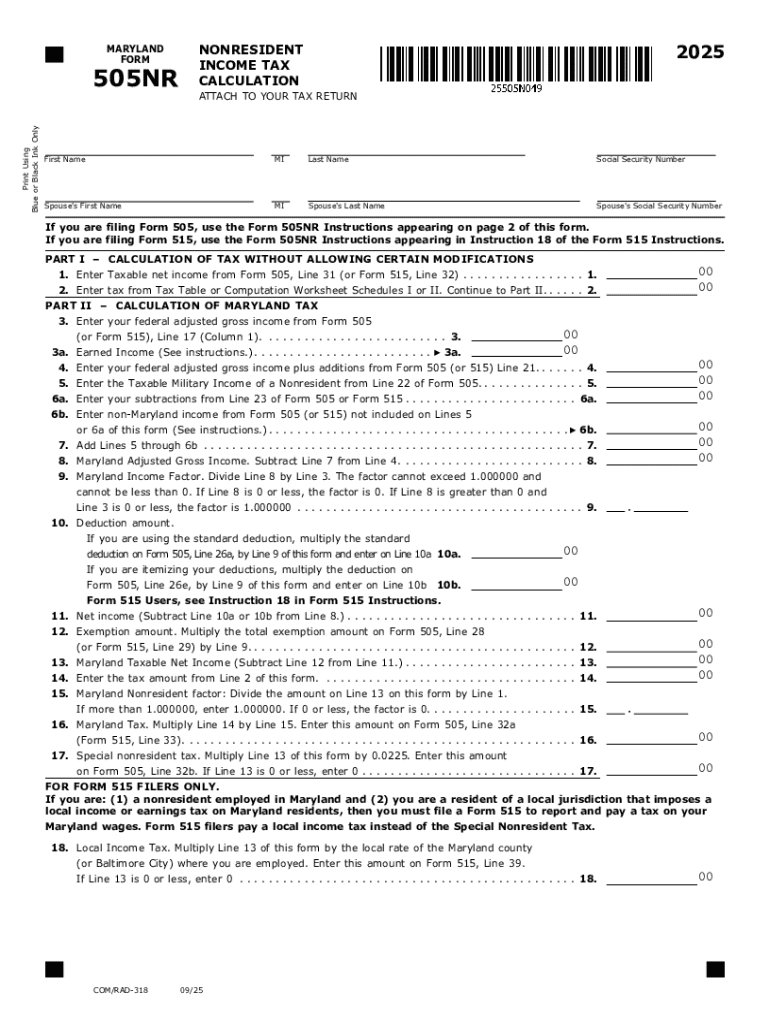
The 2025 State and Local Tax Forms and Instructions are documents issued by various state and local governments. These documents guide taxpayers in filing their taxes for the year 2025, ensuring compliance with current tax regulations. They include instructions on how to fill out the forms, what supporting documents are needed, and details regarding any tax credits or deductions for which one might be eligible.
How to Obtain the 2025 State and Local Tax Forms and Instructions
Taxpayers can typically obtain these tax forms and instructions through multiple channels:
- Online Resources: Most state and local tax agencies offer downloadable forms on their official websites.
- Tax Preparation Software: Products like TurboTax and QuickBooks often have integrated capabilities for accessing state and local tax documents.
- Physical Locations: Forms can be picked up at local government offices or requested by mail.
Key Elements of the 2025 State and Local Tax Forms and Instructions
These forms usually contain several key elements essential for accurate tax filing:
- Identification Information: This includes fields for the taxpayer’s name, social security number, and address.
- Income Details: Statements of income from wages, investments, and other sources.
- Deductions and Credits: Sections for itemized deductions and potential credits to reduce taxable income.
- Tax Liability Calculations: Instructions and worksheets to help calculate the amount of tax payable or refundable.
Steps to Complete the 2025 State and Local Tax Forms and Instructions
Filing taxes accurately is critical to avoid any legal penalties. Here’s a step-by-step guide:
- Gather Required Documents: Collect all necessary documentation like W-2s, 1099s, and records of any deductible expenses.
- Review Instructions Thoroughly: Carefully go over the form instructions to understand each section.
- Fill Out Personal Information: Ensure all identification details are correctly filled in.
- Enter Income and Deductions: Provide all requested income information and list applicable deductions.
- Calculate Tax Due or Refund: Use the accompanying worksheets to determine the tax owed or the refund due.
- Review for Accuracy: Double-check all entries to ensure accuracy and compliance.
- Submit the Forms: File electronically via approved software or mail the completed documents to the appropriate agency.
Important Terms Related to 2025 State and Local Tax Forms and Instructions
Understanding some critical terms can significantly aid in the tax filing process:
- Exemption: A deduction allowed by law to reduce taxable income.
- Tax Credit: A direct reduction in tax liability, which can be refundable or non-refundable.
- Adjusted Gross Income (AGI): Total income minus specific deductions; a key figure in determining tax liability.
Who Typically Uses the 2025 State and Local Tax Forms and Instructions
These forms are primarily used by:
- Individual Taxpayers: Residents and non-residents who earn income in a particular state or locality.
- Businesses: Different types of business entities, from corporations to sole proprietors, needing to report local earnings.
- Estates and Trusts: Entities responsible for managing and distributing assets according to state tax laws.


Filing Deadlines / Important Dates
Adhering to deadlines is imperative to avoid penalties:
- Standard Deadline: Most state taxes are due on April 15, 2025, aligning with the federal tax filing deadline.
- Extension Requests: If more time is needed, submit an extension request before the deadline to avoid penalties.
- Amended Returns: If errors are found after submission, an amended return should be filed within the specified timeframe per the state’s guidelines.
Penalties for Non-Compliance
Failing to comply with tax filing requirements can result in various penalties:
- Late Filing Penalties: Charges incurred for failing to submit taxes by the due date without an extension.
- Underpayment Penalties: Additional costs associated with withholding too little tax during the year.
- Fraud Penalties: Severe fines and potential legal action for intentionally misleading tax information.
Software Compatibility
For taxpayers and businesses leveraging technology for tax filings, it's important to choose software that's compatible with state requirements:
- TurboTax and QuickBooks: Popular across different states, these platforms are frequently updated with relevant tax codes.
- State-Specific Software: Some states provide their own proprietary software or online portals for tax filing.
By understanding and utilizing the 2025 State and Local Tax Forms and Instructions effectively, taxpayers can ensure compliance and optimize their tax situations. This comprehensive approach enables individuals and businesses to confidently navigate the tax obligations imposed by state and local jurisdictions.