






Definition & Meaning
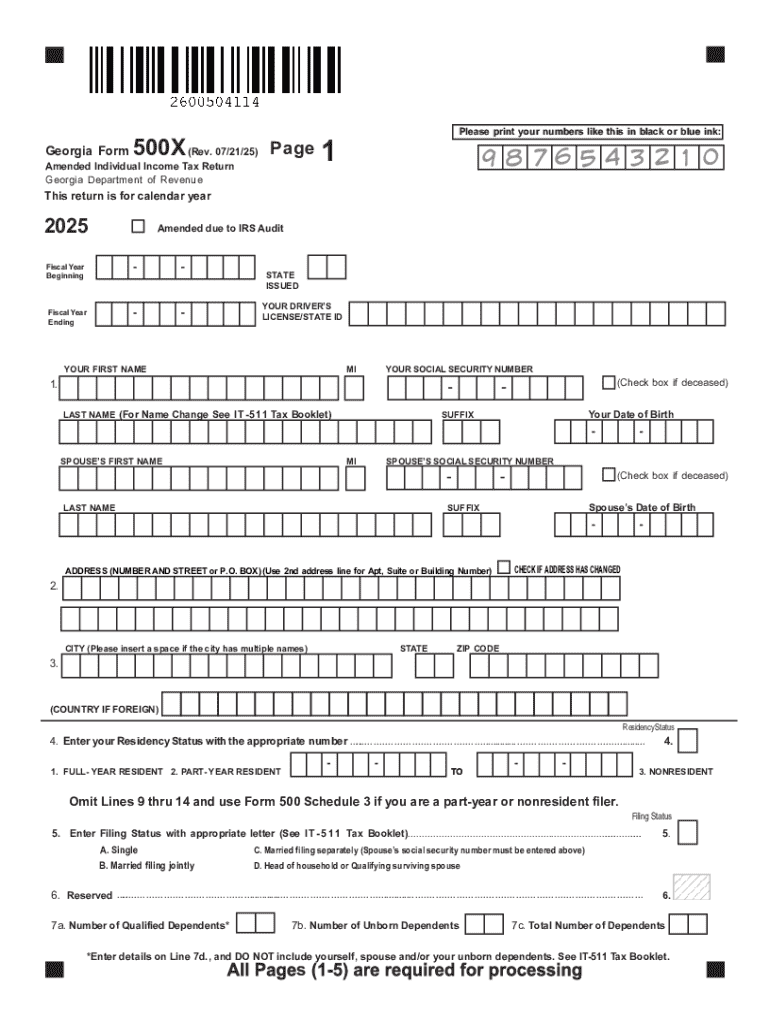
The "(Check box if deceased)" is a specific component of various legal, tax, and administrative forms typically used in the United States to indicate the status of an individual as deceased. This checkbox is part of the document's design, allowing respondents to formally notify or declare the passing of a person without needing to provide additional details immediately. Such declarations are essential for processing various legal and administrative tasks, including handling estates, terminating accounts, and updating official records.
Examples and Context
- Tax forms often include this checkbox to denote that a taxpayer or dependent has passed away in the tax year.
- Estate-related legal documents utilize this feature to update the status of involved parties.
- Financial and insurance forms may require this information to process claims or update account statuses.
How to Use the (Check box if deceased)
Placing a mark in the "(Check box if deceased)" accurately reflects the deceased status of an individual referred to in the document. It is crucial for users filling out forms to ensure that this box is marked only when applicable, as it carries significant legal and procedural implications. Misuse or accidental selection can lead to delays or errors in processing documents.
Step-by-Step Instructions
- Review the form thoroughly to ensure the checkbox applies to your situation.
- Identify the section of the form where the checkbox is located. This is usually near personal identification sections.
- Select the checkbox if the individual referenced has indeed passed away.
- Provide any additional documentation if required by the form, such as a copy of the death certificate.
- Double-check the whole form to ensure accuracy before submission.
Steps to Complete the (Check box if deceased)
Completing the form correctly involves several careful considerations to ensure accurate processing. Beyond merely checking the box, users often need to understand their broader responsibilities related to declaring someone deceased.
Detailed Guide
- Gather Necessary Information: Obtain any relevant documents, such as the death certificate, before checking the box.
- Verify the Date of Death: Ensure all related documents reflect the same date.
- Consult with a Professional: For complex cases, seek assistance from a tax advisor or legal professional to verify that marking the checkbox is appropriate.
- Complete Associated Sections: Fill in other parts of the form related to the deceased individual thoroughly.
- Maintain a Copy for Records: Keep a copy of the completed form for future reference or potential audits.
Who Typically Uses the (Check box if deceased)
Various individuals and organizational representatives use this feature of forms to signal the passing of a relevant person. Understanding who should mark this box helps streamline the filing process.


Potential Users
- Family Members: Completing tax and legal documents related to a deceased family member.
- Executors of Estates: Managing estate distributions and legal documentation.
- Tax Professionals: Assisting clients with filing requirements reflecting a deceased status.
- Financial Institutions: Updating client records and processing claims.
Legal Use of the (Check box if deceased)
Marking the "(Check box if deceased)" carries legal bindings and should be executed with precision to ensure compliance and legal accuracy.
Legal Considerations
- Compliance with Taxation Laws: For tax forms, this declaration informs IRS processing related to the decedent’s tax obligations.
- Estate Management: Legally required for documentation in probate courts.
- Record Accuracy: Ensures official records are updated to reflect the current status of individuals involved.
State-Specific Rules for the (Check box if deceased)
Different states may have variations in how this checkbox is used, reflected in their forms and regulations. Familiarity with state-specific rules is essential for proper compliance.
Key State Variations
- Documentation Requirements: Some states may require additional proof, such as certified documentation.
- Forms Affected: Changes in checklist usage might occur depending on state legislation.
- Electronic vs. Paper Submission Divergence: Acceptance criteria for digital submissions can differ by state.
IRS Guidelines
The Internal Revenue Service (IRS) provides specific guidance on how this checkbox should be used in the context of tax documents.
Important IRS Standards
- Authorized Use: The checkbox's presence signals that the IRS needs documentation to verify death status.
- Documentation: Usually requires a death certificate as confirmation of death.
- Tax Filing Status: Impacts filing requirements and deadlines for final returns.
Required Documents
When filling out forms that include the "(Check box if deceased)," additional documents are often needed to validate the deceased status.
List of Required Documents
- Certified Death Certificate: A primary document needed for verification.
- Last Will and Testament: If applicable, for legal and tax matters.
- Executor Letters: Official documentation of estate management authority.