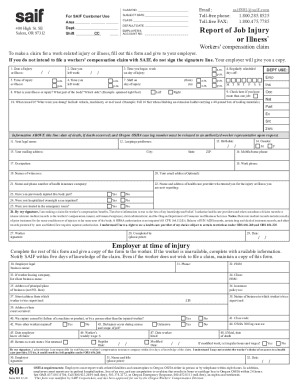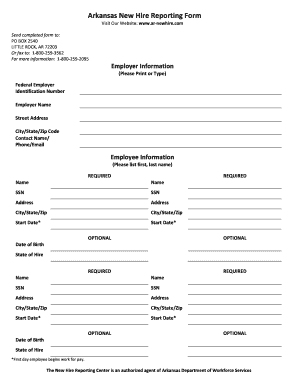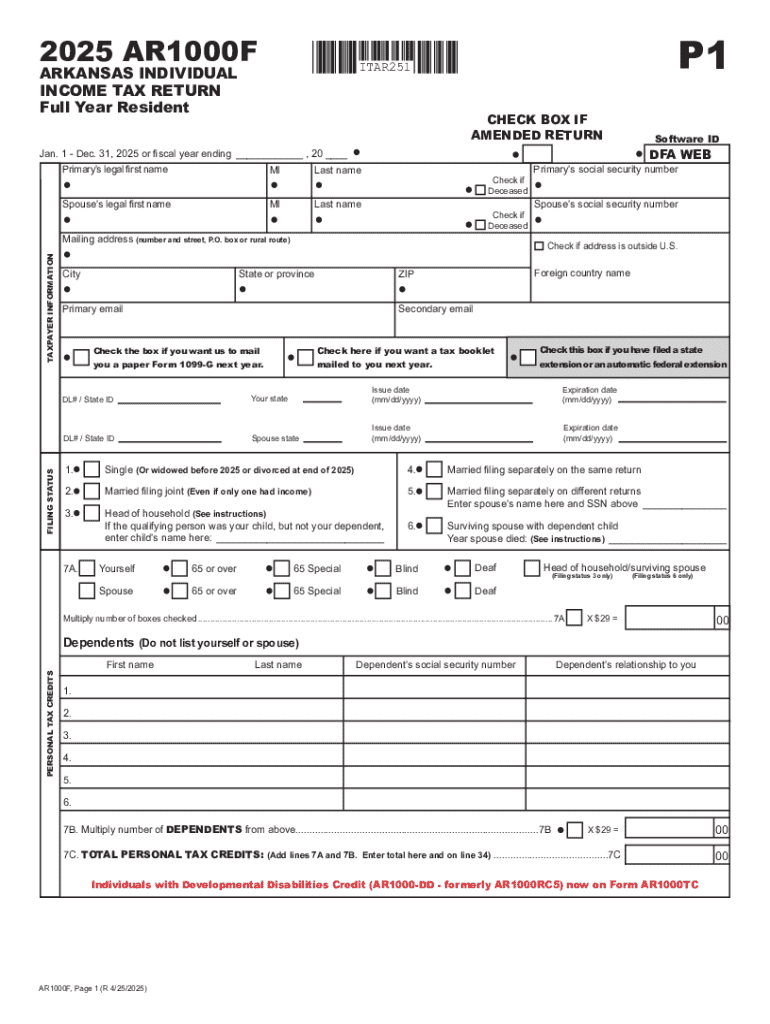







Definition & Purpose of andKHFNLI
The andKHFNLI form serves as a crucial document in various contexts. It aims to standardize the collection of specific information, often related to taxation, business documentation, or compliance matters. Typically, it acts as an official record, capturing necessary details to facilitate legal and administrative processes. Understanding its core function helps users ensure accurate and timely completion, mitigating the risk of legal issues or administrative delays.
Core Functionality
- Acts as a formal documentation tool.
- Facilitates data standardization across different jurisdictions.
- Supports both individual and organization-level use cases.
Real-World Applications
- Employed by businesses during tax season to report income.
- Used by legal entities to record transactional data.
- Essential for individuals during compliance audits.
How to Use the andKHFNLI
Using the andKHFNLI effectively requires familiarity with its structure and requirements. This section provides guidance on accurately filling out the form to meet relevant regulations and standards.
Step-by-Step Guidelines
- Acquire the Form: Obtain the latest version of the andKHFNLI form from a reliable source to ensure compliance with current regulations.
- Review Instructions: Carefully read any accompanying instructions to understand each section’s purpose.
- Input Required Information: Complete all mandatory fields with accurate information.
- Verify Details: Double-check for accuracy to avoid errors that could result in processing delays.
Practical Example
- An LLC might use the form to report annual revenues, ensuring they meet state tax obligations.
Who Typically Uses the andKHFNLI
The form is primarily used by both individuals and organizations that need to report specific data to government agencies or other regulatory bodies.


Common Users
- Individuals: Especially those engaging in activities that require formal documentation for legal compliance, such as taxpayers.
- Businesses: Often use the form for financial reporting or complying with industry-specific regulations.

Industries
- Accounting: Professionals use the form to assist clients with tax-related submissions.
- Legal: Law firms might manage such forms for clients involved in business transactions.
Legal Use of the andKHFNLI
Legal use of the form ensures compliance with relevant legislation and guidelines, thus preventing potential legal conflicts or penalties.
Compliance Considerations
- Adheres to federal and state regulations governing the required disclosures.
- Used to substantiate claims during legal reviews or audits.
Examples
- Tax audits often rely on correctly filled forms as evidence of compliance.
Key Elements of the andKHFNLI
Understanding the key components of the form is essential for proper completion and submission. These elements define what information is mandatory and often dictate the form’s validity.
Major Components
- Identification Fields: Include personal or business identifiers.
- Information Sections: Capture data relevant to the form’s purpose, such as financials or compliance details.
- Certification: A section where the signer attests to the accuracy of the information provided.
Specific Sections
- Taxpayer Identification Number or Employer Identification Number (TIN/EIN).
- Declaration of accurate representation of provided details.
State-Specific Rules for the andKHFNLI
Different states may impose unique requirements for filing and using the andKHFNLI, impacting how individuals and businesses interact with the form.
Notable Variations
- California: May require additional environmental compliance details.
- New York: Often includes stringent financial disclosures for businesses.
Implications
- Variations can affect how companies report income or financial activities.
- Non-compliance with state-specific rules may lead to penalties.
Examples of Using the andKHFNLI
Practical examples illustrate the form’s diverse applicability, from individual tax returns to complex business filings.
Case Studies
- Self-Employed Individuals: Use the form to accurately report all sources of income, ensuring compliance with IRS standards.
- Corporations: Regularly file forms to communicate with state and federal agencies about financial activities or changes in corporate structure.
Comparative Scenarios
- Digital startups in California might rely on the form to navigate tech-specific tax directives, differing from manufacturing firms in New York.
Penalties for Non-Compliance
Failing to comply with requirements associated with the form can result in financial and legal repercussions, emphasizing the importance of correct and timely submission.
Types of Penalties
- Monetary Fines: Fees imposed for late or incorrect filings.
- Legal Ramifications: Potential involvement in litigation for gross non-compliance.
Preventive Actions
- Implement routine audits to ensure ongoing compliance.
- Engage professionals for complex or unfamiliar filing tasks.