




Definition and Meaning of "Form Online"
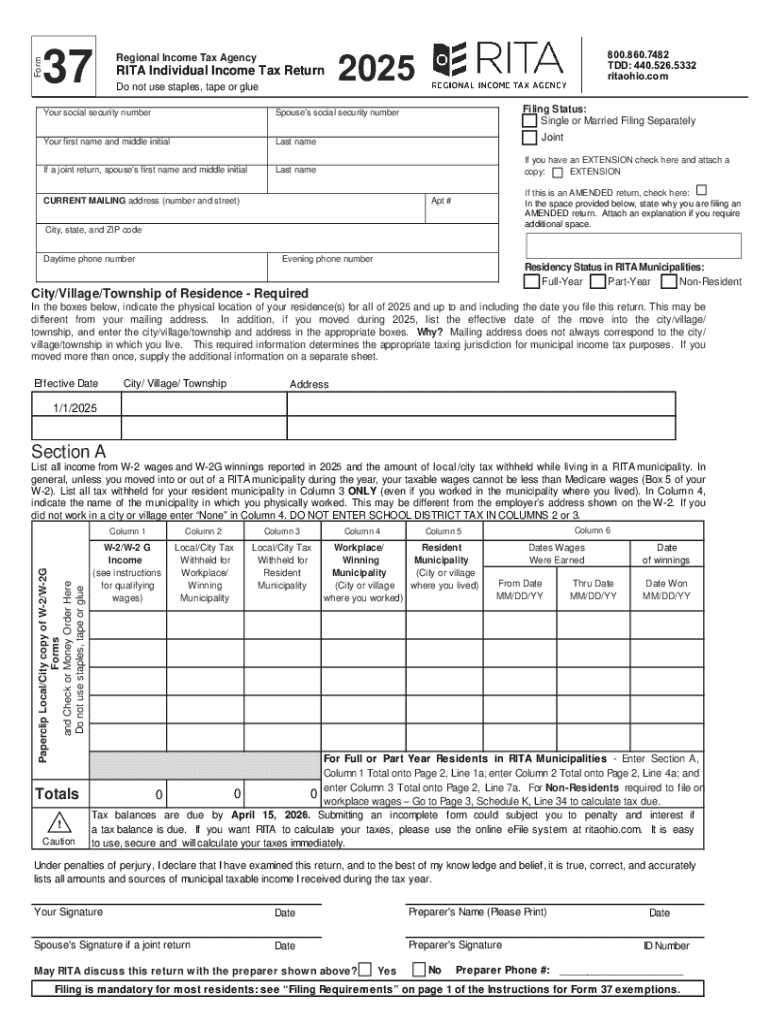
The term "form online" refers to digital forms that enable users to complete, submit, and process them over the internet. These forms are created and managed using software platforms, like DocHub, and often replace traditional paper forms. Digital forms can range from simple surveys to complex applications requiring various fields and validation rules. They enhance efficiency, streamlining processes such as data collection and information verification by reducing manual input errors. Moreover, online forms have become a staple in administering and obtaining a wide array of services, both in private and public sectors.
How to Obtain the Form Online
To obtain a form online, users typically start by navigating to a specific website hosting the form, such as government portals or platforms like DocHub. Upon visiting the site, users may find forms categorized by purpose or type, making it easier to locate the desired document. Forms can be accessed by clicking a link that opens in the browser or downloadable in formats like PDF or DOC. Many platforms also offer templates or automated tools for populating forms electronically, reducing the need for manual data entry. This accessibility is one of the key advantages of digital forms, allowing users to obtain them from any location, at any time.
Steps to Complete the Form Online
-
Access the Form: Using a web browser, visit the hosting platform and locate the desired form.
-
Review Instructions: Carefully read any accompanying guidelines or instructions to understand the requirements and necessary information for completion.
-
Fill Out Fields: Enter data into the designated fields, such as text boxes, checkboxes, and dropdown menus. Look out for fields marked as mandatory to ensure submission success.
-
Review and Confirm: Double-check all inputted information for accuracy before proceeding.
-
Attach Documents: If required, attach any supplementary documents by uploading them directly through the platform's interface.
-
Submit: Once all information is verified, submit the form electronically. Many platforms provide a confirmation message or email receipt upon successful submission.
Why Should You Form Online
Choosing to complete forms online offers several benefits, including increased convenience, faster processing times, and enhanced accuracy due to built-in validation checks that reduce data entry errors. Online forms often include features like auto-complete and save options, allowing users to pause and resume work at their convenience. Additionally, they support eco-friendly practices by minimizing paper usage. Electronic submissions streamline workflows by enabling automated data collection, storage, and retrieval, thus transforming how personal and business transactions are managed in a digital age.
Important Terms Related to Form Online
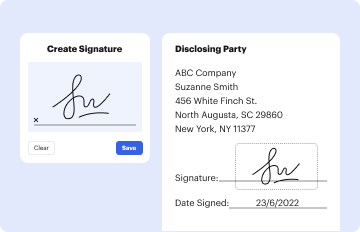
- Digital Signature: An electronic form of signature used to sign digital documents, ensuring authenticity and integrity.
- Encryption: The process of encoding data to prevent unauthorized access during internet transactions.
- Form Field: The interactive component of a digital form where users input data.
- Cloud Storage: A service allowing data to be stored remotely and accessible via the internet.
- Template: A pre-designed document format used to standardize data collection and streamline form completion.
Legal Use of the Form Online
Using a form online adheres to various legal standards and regulations ensuring that electronic submissions are recognized as legitimate and binding. For instance, electronic signatures on forms are compliant with the U.S. Electronic Signatures in Global and National Commerce Act (ESIGN), which grants them the same legal standing as handwritten signatures. Moreover, privacy laws mandate stringent data protection measures, like encryption, to safeguard personal information submitted through online forms. Understanding these legal frameworks is crucial for individuals and businesses to ensure compliance and avoid potential legal pitfalls.
Key Elements of the Form Online
When designing or filling out a form online, several critical components must be considered:
- Mandatory Fields: Sections that require completion for successful submission.
- Data Validation: Rules and logic implemented to verify accurate and complete data entry.
- User Interface: The design and layout of the form, impacting ease of use and accessibility.
- Submission Confirmation: A notification or receipt confirming the form's successful submission.
- Security Measures: Protocols such as SSL encryption to protect data integrity during transmission.
Software Compatibility Considerations
Not all forms are inherently compatible with all software platforms. Users should verify that the form is supported by their preferred applications, such as TurboTax or QuickBooks, for financial documents. Users can import or export document files using compatible software to ensure seamless integration with existing systems. For optimal performance and user experience, it is essential to access the form through supported platforms or consult the form provider’s compatibility guidelines before starting.
Who Typically Uses the Form Online
Online forms cater to a broad demographic, encompassing individuals, businesses, and governmental entities. Individuals engage with these forms for tasks like financial applications, registrations, and surveys. Businesses utilize them for various processes, such as employee onboarding, client intake, and transactional documentation. Government agencies deploy digital forms to enhance public service efficiency, from tax filings to benefits applications. The versatility of online forms ensures their utility across numerous domains and user groups.
Understanding Online Form Usage Across Sectors
- Educational Institutions: Enrollment and feedback forms
- Healthcare: Patient information and consent forms
- Corporate Settings: Employment applications and internal surveys
- Financial Services: Loan applications and tax submissions