






Definition of "All State Income Tax Dollars Support Education"
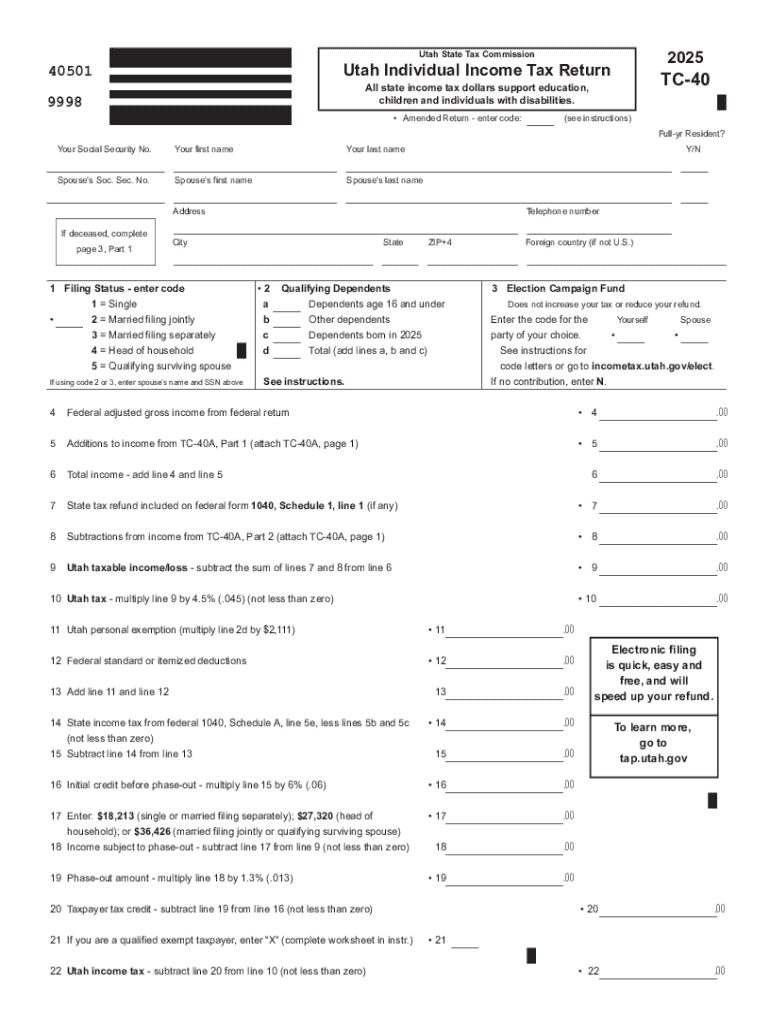
The phrase "All state income tax dollars support education" captures the intent of how state-collected tax revenues are often allocated toward educational funding. In the United States, state income taxes are critical financial resources used to support public education systems, including K-12 schools and state universities. This means that a portion of the income taxes collected from residents is directed towards improving educational infrastructure, paying teacher salaries, acquiring educational materials, and funding educational programs and advancements.
- Real-World Example: For instance, in Utah, a significant portion of state income taxes is channeled towards funding public schools and institutions of higher learning, highlighting the crucial role of these tax dollars in maintaining and improving educational services.
How "All State Income Tax Dollars Support Education" Functions
The allocation of state income tax dollars to education involves a detailed budgeting process managed by state governments. Legislative bodies typically determine the percentage of tax revenue that will be set aside for education each fiscal year. These funds are then distributed among various educational institutions and programs according to the state’s educational priorities.
- Step-by-Step Process:
- Collection: State income taxes are collected from working individuals and businesses on a regular basis.
- Budgeting: State legislators discuss and approve a budget that earmarks funds for educational use.
- Distribution: Funds are allocated to different educational sectors and institutions.
- Utilization: Schools and universities use these funds to enhance educational resources and services.
Legal Use of State Income Tax Dollars for Education
State income tax dollars designated for education must be used according to legal stipulations set by state governments. This ensures transparency and accountability in the utilization of public funds. States are often required to provide detailed reports and audits to demonstrate that income tax dollars are being appropriately allocated and spent on eligible educational initiatives.
- Legal Framework: Laws dictate that these funds cannot be diverted for non-educational purposes, thereby safeguarding the integrity of the educational system.
Key Elements of State Income Tax Allocation to Education
Several key elements define how state income tax dollars are used to support educational endeavors:
- K-12 Education: Funding for primary and secondary education, including resources for public schools, teacher salaries, and educational programs.
- Higher Education: Support for state colleges and universities to enhance facilities, faculty, and student services.
- Educational Grants and Scholarships: Financial assistance programs for students to ensure equitable access to higher education.
State-Specific Rules for Educational Funding
Funding and revenue distribution laws vary from state to state in the U.S. Some states allocate a fixed percentage of their state income tax revenue to education, while others may decide annual allocations based on specific requirements or legislative sessions.
- Example: California mandates that a significant portion of its state budget be allocated to public education, a practice enshrined in Proposition 98, ensuring consistent and substantial investment in the educational sector.
Examples of Using State Income Tax Dollars in Education
Many states directly benefit from the allocation of state income tax dollars to education through improved school facilities, expanded program offerings, and enhanced educational outcomes.
- Scenario: An underfunded public school in Texas could receive state income tax dollar allocations to upgrade its science laboratories or to initiate new technological programs, directly impacting students’ learning experiences and future opportunities.
Filing Requirements and Deadlines for State Income Tax
Residents and businesses in states with income taxes are required to file returns annually, declaring their income and providing necessary documentation. This process ensures that all owed taxes are collected efficiently and can be allocated to state priorities, such as education.
- Common Deadlines: Generally coincide with the federal tax filing deadline of April 15, although some states may have different filing dates. Extensions may be available under certain circumstances.
Software Compatibility for Filing State Income Taxes
Using tax software like TurboTax or QuickBooks can simplify the filing process for state income taxes, ensuring accuracy and timely submissions. These platforms are designed to handle both federal and state tax returns, often providing guidance specific to each state’s requirements.
- Advantage: Integration of these platforms with state tax filing systems can help ensure that tax dollars designated for educational funding are processed efficiently and allocated appropriately.
Disclosure and Compliance Requirements
Taxpayers are required to accurately disclose their income and follow state-specific compliance mandates when filing state income tax returns. This transparency is critical for the proper functioning of the system that directs funds to education.
- Penalties: Failure to comply with disclosure requirements when filing state taxes can result in penalties, audits, or other legal consequences, which could affect the overall funding available for education.