




01. Edit your form online
Type text, add images, blackout confidential details, add comments, highlights and more.

Type text, add images, blackout confidential details, add comments, highlights and more.

Draw your signature, type it, upload its image, or use your mobile device as a signature pad.

Send it via email, link, or fax. You can also download it, export it or print it out.
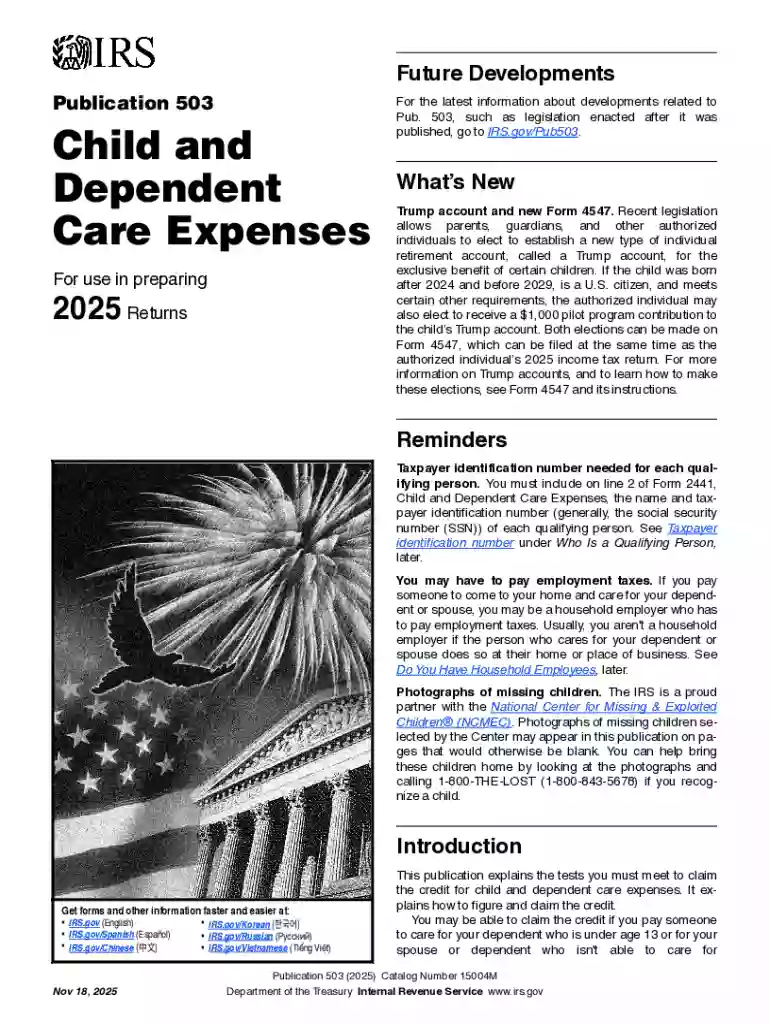
IRS Publication 503, also known as "Child and Dependent Care Expenses," is a guide provided by the Internal Revenue Service (IRS) to help taxpayers understand the credits available for child and dependent care expenses. This publication outlines the eligibility criteria, qualifying expenses, and the process necessary to claim these credits on federal tax returns. By comprehensively detailing the nuances of what counts as a deductible expense, it aids taxpayers in maximizing available benefits under the U.S. tax code.
Using IRS Publication 503 involves understanding its structure and applying the criteria and instructions provided therein to your tax situation. Taxpayers should begin by determining whether they meet the eligibility requirements, such as having earned income and incurred care expenses for a qualifying individual. As you navigate the publication, pay attention to sections on calculating your credit and maintaining proper records. To ensure accuracy, have relevant documentation available, such as receipts and employment verification, to substantiate your claims.
To accurately utilize IRS Publication 503 for claiming child and dependent care expenses, follow these steps:
Eligibility under IRS Publication 503 is based on several criteria:


The main components of IRS Publication 503 include:
To apply the guidance from IRS Publication 503 effectively, retain the following:
Understanding key terms in IRS Publication 503 is crucial:
Consider a scenario where a single parent works full-time and incurs daycare expenses for a three-year-old child. IRS Publication 503 would guide the parent in calculating the potential credit by assessing allowable expenses against the specified percentage of allowable credits. Another example could involve a married couple with one spouse working part-time and another attending school; both situations could impact the calculation and eligibility of the credit.
Failure to adhere to IRS Publication 503 can result in penalties:
Taxpayers must adhere to certain deadlines:
Submitting claims for child and dependent care expenses requires careful form submission:
We've got more versions of the Text of IRS Publication 503: Child and Dependent Care form. Select the right Text of IRS Publication 503: Child and Dependent Care version from the list and start editing it straight away!
At DocHub, your data security is our priority. We follow HIPAA, SOC2, GDPR, and other standards, so you can work on your documents with confidence.
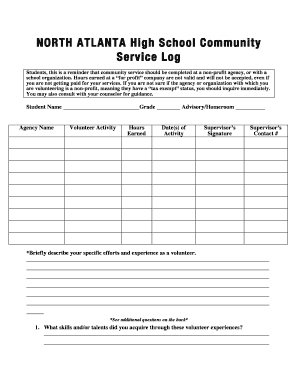



This publication explains the tests you must meet to claim the credit for child and dependent care expenses. It explains how to figure and claim the credit.Read more
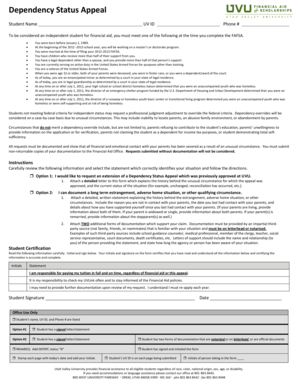
Jan 2, 2018 If your gross income was $4,050 or more, you usually cant be claimed as a dependent unless you are a qualifying child. For details, seeRead more
Jan 22, 2021 You must include on line 2 of Form. 2441, Child and Dependent Care Expenses, the name and taxpayer identification number (generally, the social.Read more


