






Definition & Meaning
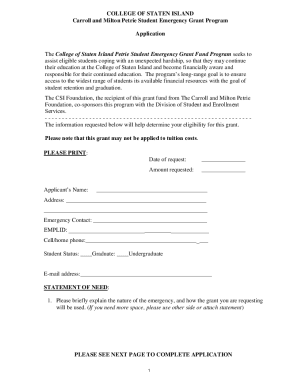
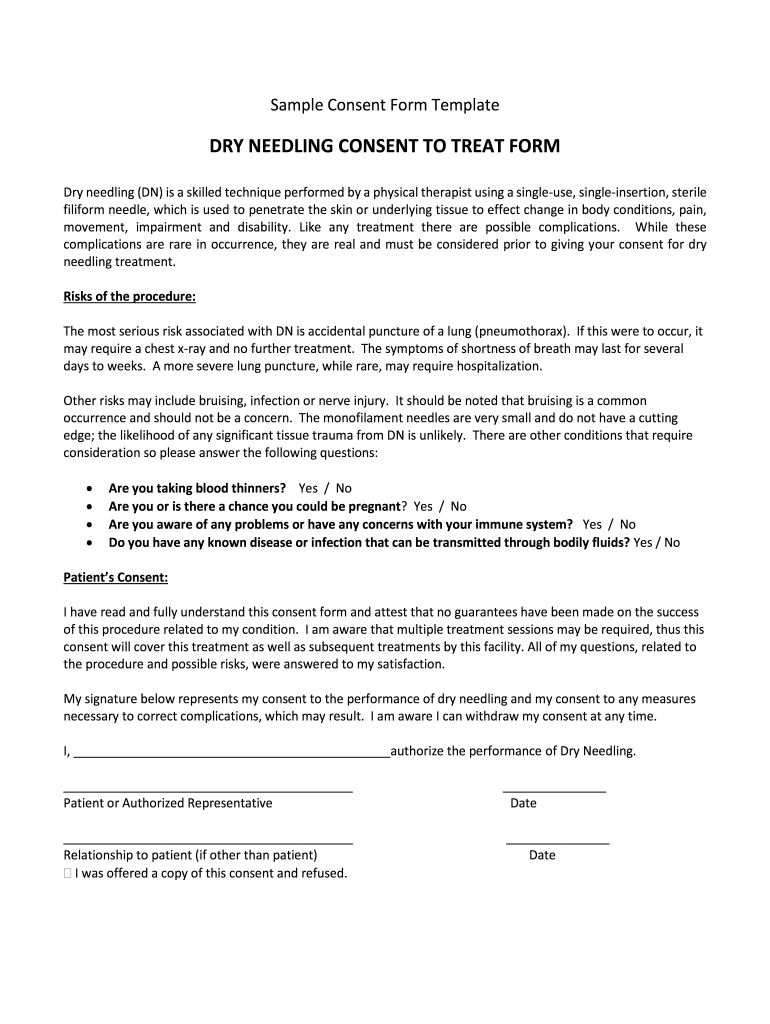
The Dry Needling Consent Form - Orthopedic Physical Therapy, Inc is a formal document used by physical therapists to obtain informed consent from patients undergoing dry needling treatment. This form serves as a legal acknowledgment by the patient, clarifying their understanding of the procedure, its potential risks, and their agreement to proceed. Dry needling is an advanced treatment involving the insertion of thin needles into specific muscle trigger points to relieve pain and improve mobility. This consent form ensures that patients are fully aware of what the treatment entails before they start.
Key Purposes
- Informed Consent: It provides essential information on the procedure and risks, ensuring patients make educated decisions.
- Legal Protection: Offers protection for both patient and therapist by detailing consent explicitly.
- Record Keeping: Helps maintain comprehensive medical records for future reference.
How to Use the Dry Needling Consent Form
To effectively use the Dry Needling Consent Form, it is crucial to follow a structured approach:
- Patient Education: Begin by explaining the purpose and procedure of dry needling, addressing any questions the patient may have.
- Review the Form: Walk the patient through each section of the form, highlighting the risks and benefits outlined.
- Signature Collection: Ensure the patient signs and dates the form, validating their consent.
- Document Filing: Place the signed form in the patient’s medical record, ensuring it is accessible for future consultations or legal inquiries.
Practical Tips
- Provide ample time for patients to read and understand the form.
- Use layman's terms when explaining the process to reduce confusion.
- Encourage questions to clarify any misunderstandings.
Steps to Complete the Dry Needling Consent Form
Completing the consent form requires diligence and attention to detail:
- Patient Information Section: Fill in personal details, including name, contact information, and medical history.
- Risks and Benefits Section: Carefully review risks like pneumothorax, bruising, and infection with the patient.
- Consent Statement: Ensure patients understand they can withdraw consent anytime.
- Signature Block: Patients and therapists must sign and date this section to finalize the document.
Important Considerations
- Address any allergies or medical conditions that may affect treatment.
- Confirm patient’s insurance information and coverage for the procedure.
Key Elements of the Dry Needling Consent Form
The consent form encompasses several vital components:
- Description of Procedure: Explains what dry needling involves and expected outcomes.
- Potential Risks: Details risks such as nerve damage and infection.
- Patient Declarations: Acknowledgements that the patient understands the information provided.
Commonly Included Sections
- Patient Health History
- Therapist’s Credentials
- Follow-Up Care Instructions
Legal Use of the Dry Needling Consent Form
The form is designed to comply with U.S. legal standards for medical consent documentation. It supports:
- Patient Autonomy: Respects the patient’s right to make informed decisions about their healthcare.
- Regulatory Compliance: Meets state-specific requirements for medical procedures.
Real-World Application
- Used by orthopedic clinics and physical therapists nationwide.
- Can be adjusted for compliance with specific state laws.
Who Typically Uses the Dry Needling Consent Form
This consent form is predominantly employed by:
- Physical Therapists: Offering dry needling as a therapeutic option.
- Orthopedic Clinics: Integrating dry needling into broader treatment plans.
- Sports Medicine Professionals: Addressing muscle pain and injuries.


Patient Demographics
- Athletes with muscle injuries
- Individuals experiencing chronic pain
- Patients seeking alternative pain management techniques
State-Specific Rules for the Dry Needling Consent Form
Different states have varying regulations regarding dry needling:
- Licensing Requirements: Ensure therapists are certified per state law.
- Scope of Practice: Verify that dry needling falls within the professional’s authorized practices.
Examples of Variations
- Some states may require additional disclosures or documentation.
- Varying consent form specifications may be necessary depending on local health regulations.
Important Terms Related to Dry Needling Consent Form
Understanding technical terminology enhances communication and consent validity:
- Trigger Points: Areas in muscles targeted by dry needling to relieve tension.
- Informed Consent: A process of informing patients about treatment specifics and obtaining voluntary agreement.
- Pneumothorax: A potential risk involving air entering the space between the lung and chest wall, causing lung collapse.
Glossary
- Nerve Injury: Damage to nerves potentially caused by needle insertion.
- Bruising: Minor injury resulting from needle puncture impacting small vessels.