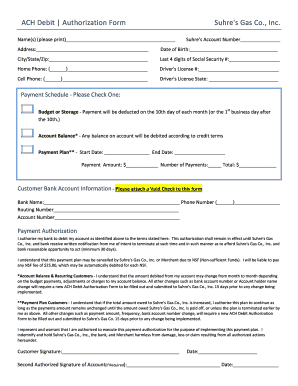
01. Edit your form online
Type text, add images, blackout confidential details, add comments, highlights and more.

Type text, add images, blackout confidential details, add comments, highlights and more.

Draw your signature, type it, upload its image, or use your mobile device as a signature pad.

Send it via email, link, or fax. You can also download it, export it or print it out.
The EIN Confirmation Letter - International Costumers' Guild is a formal document issued by the Internal Revenue Service (IRS) to confirm the assignment of an Employer Identification Number (EIN) to an organization. This number is crucial for tax identification purposes and enables the organization to fulfill its tax obligations, such as filing returns and paying taxes. The letter serves as official notice that the organization has been identified with a unique EIN, which should be used in all correspondence with the IRS and on tax documents.
The EIN Confirmation Letter should be used as a reference for any business or tax-related activities that require identification through an EIN. Organizations need to ensure that their EIN is correctly reported on tax filings, financial documents, and other official paperwork. Keeping this document handy is vital for:
Understanding the fundamental components of the EIN Confirmation Letter is crucial for accurate utilization:
Getting the EIN and the accompanying confirmation letter is straightforward but involves specific steps:
Note: Organizations can apply online for immediate EIN issuance; mailing processes may incur longer wait times.
The IRS provides strict guidelines concerning the use and management of EINs. Compliance ensures organizations mitigate risks of penalties or legal issues:
The EIN Confirmation Letter is of primary importance for:


For legal adherence, ensure the EIN Confirmation Letter is accurately referenced in all applicable scenarios:
Grasping the relevant deadlines and timelines associated with EIN Confirmation Letters is crucial for remaining compliant:
Being timely and precise with documentation is crucial in avoiding IRS penalties or disruptions in business activities.
At DocHub, your data security is our priority. We follow HIPAA, SOC2, GDPR, and other standards, so you can work on your documents with confidence.