






Understanding Form 1120-F: U.S. Income Tax Return of a Foreign Corporation
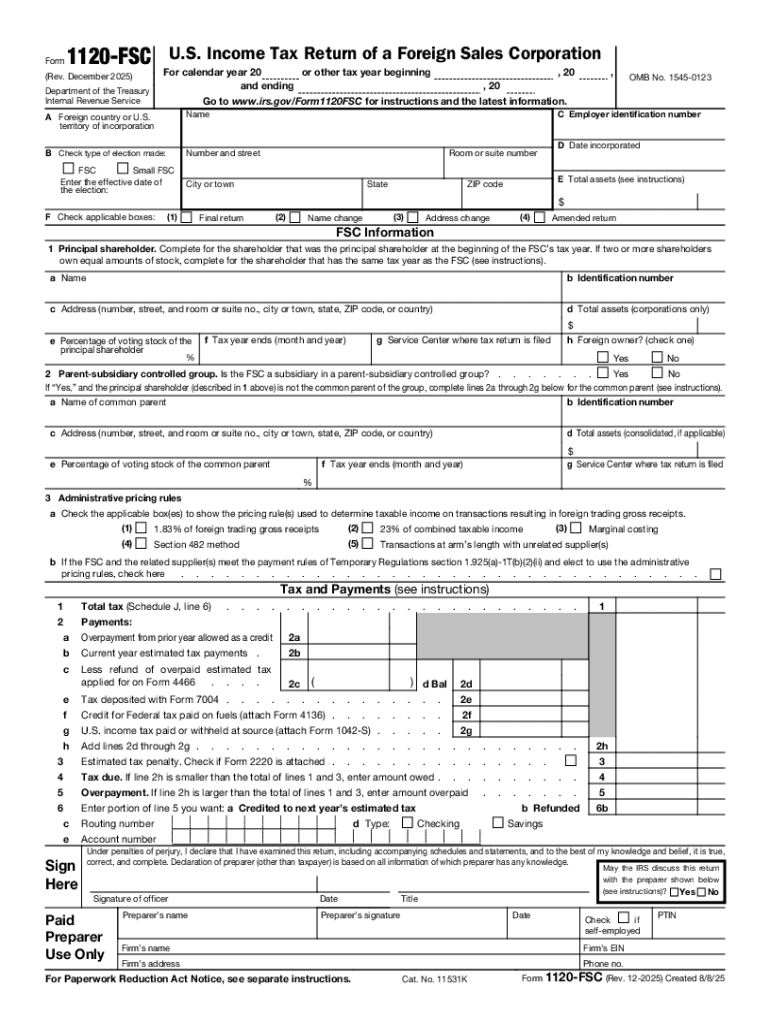
Form 1120-F is a crucial document for foreign corporations engaged in business within the United States. It ensures that these entities report their U.S.-sourced income and pay applicable taxes. This form helps the IRS track and tax the earnings of foreign corporations operating under the U.S. tax jurisdiction. Understanding the significance of Form 1120-F is essential for compliance and financial planning.
Purpose and Importance of Form 1120-F
Foreign corporations must use Form 1120-F to report their income, gains, losses, and deductions related to U.S. operations. The form determines the corporation's tax liability based on U.S. tax laws. Properly filing Form 1120-F helps avoid penalties and ensures the corporation remains compliant with U.S. tax obligations. This form is significant because it affects how much tax a corporation pays and how it's treated under the U.S. legal system.
How to Obtain Form 1120-F
Acquiring Form 1120-F is a straightforward process. The form is available on the official IRS website. Corporations can download and print it for manual completion or fill it out electronically. Third-party tax software may also offer this form, allowing seamless integration with the corporation's financials. It is advisable to ensure the form version is up to date by referring to IRS updates.
Steps to Complete Form 1120-F
Completing Form 1120-F involves several detailed steps:
- Gather Required Information: Collect all relevant financial records, including income details, deductions, and foreign branch remittances.
- Understanding the Structure: Familiarize yourself with the form's layout, including schedules such as Schedule I for intercompany transactions or Schedule M-3 for financial reconciliation.
- Filling Out Income Sections: Report all U.S.-sourced income, distinguishing between effectively connected income (ECI) and non-effectively connected income.
- Deductions and Credits: Accurately calculate and input deductions and credits applicable to U.S. operations.
- Final Review: Ensure all information is complete and correct to avoid errors that could lead to penalties.
Important Terms Related to Form 1120-F
Key terminologies include:
- Effectively Connected Income (ECI): Income directly connected with the conduct of a trade or business within the U.S.
- Branch Profits Tax: An additional tax levied on foreign corporations' branch earnings.
- Net Operating Loss (NOL): A period's financial losses that can offset taxable income.
IRS Guidelines and Filing Deadlines
The IRS provides specific guidelines to ensure proper completion of Form 1120-F. Foreign corporations must adhere to filing deadlines based on their fiscal year:
- Calendar Year Filers: Deadline is March 15 following the end of the tax year.
- Fiscal Year Filers: Due date is the 15th day of the third month following the end of the fiscal year.
Ensure familiarity with these guidelines to avoid penalties and interest on late filings.
Required Documents for Form 1120-F Submission
Preparing Form 1120-F requires several supporting documents:
- Financial Statements: Comprehensive records showing income, expenses, and balance sheets.
- Transfer Pricing Documentation: This may be necessary for firms with intercompany transactions.
- Supporting Schedules: Includes additional information relevant to specific tax situations or claimed deductions.
Penalties for Non-Compliance
Failing to accurately file Form 1120-F can result in significant penalties. These include:
- Late Filing Penalties: Charges based on a percentage of unpaid taxes for every month the return is late.
- Accuracy-Related Penalties: Imposed for substantial understatement of tax or negligence.
- Interest on Unpaid Tax: Accrued daily from the due date of the return until the tax is paid.
Form Submission Methods: Online, Mail, or In-Person
Foreign corporations have multiple avenues to submit Form 1120-F:
- Online Submission: Recommended for convenience and efficiency through the IRS's e-file system.
- Mail: Physical copies of Form 1120-F can be mailed to the IRS, though this may take longer to process.
- In-Person Filing: An option for corporations preferring direct delivery to an IRS office.
Who Typically Uses Form 1120-F?
Form 1120-F is utilized by any foreign corporation conducting business within U.S. borders. These include branches of multinational companies, foreign subsidiaries, and partnerships where the foreign entity holds significant U.S.-sourced income. Understanding eligibility and use cases ensures that all applicable entities comply with the U.S. tax code.
Legal Use and Compliance
Legal compliance with Form 1120-F is mandatory, ensuring transparency in operations. Foreign corporations must comprehend the legal requirements, including disclosure of financial transactions and operations in the U.S., to maintain good standing with the IRS. Regular consultation with a tax professional is advisable for ongoing compliance and optimization of tax positions.
This structured guide provides foreign corporations with clear insights into the Form 1120-F requirements, ensuring accurate reporting and compliance with U.S. tax laws.