




Here's how it works
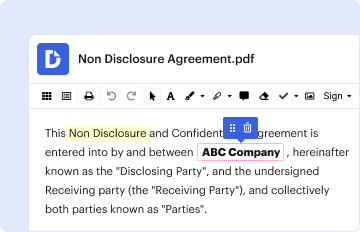
01. Edit your sample preservation of evidence letter online
Type text, add images, blackout confidential details, add comments, highlights and more.
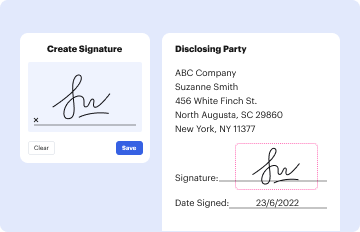
02. Sign it in a few clicks
Draw your signature, type it, upload its image, or use your mobile device as a signature pad.

03. Share your form with others
Send sample preservation of evidence letter california via email, link, or fax. You can also download it, export it or print it out.
How to use or fill out sample preservation of evidence letter with our platform

- Click ‘Get Form’ to open the sample preservation of evidence letter in the editor.
- Begin by entering your department's letterhead at the top of the document. This establishes the official nature of your request.
- Fill in the custodian of records' details, including their name, address, and fax number. Ensure accuracy for effective communication.
- In the body of the letter, specify that this is a preservation request related to an ongoing investigation. Clearly list all information you wish to preserve, such as emails and account histories.
- Complete the personal information section with your name, address, and contact number. This allows for follow-up if needed.
- Sign the document electronically using our platform’s signature feature for a professional touch before sending it off.
Start using our platform today to streamline your document editing and signing process for free!
Fill out sample preservation of evidence letter online
It's free
It's free
See more sample preservation of evidence letter versions
We've got more versions of the sample preservation of evidence letter form. Select the right sample preservation of evidence letter version from the list and start editing it straight away!
| Versions | Form popularity | Fillable & printable |
|---|---|---|
| 2005 | 4 Satisfied (42 Votes) |
Got questions?
We have answers to the most popular questions from our customers. If you can't find an answer to your question, please contact us.
Contact us
What is the purpose of the preservation letter?
A preservation letter, or a preservation demand or litigation hold, is a formal written notice sent by one party to another to ensure specific evidence relevant to an ongoing or potential legal proceeding is not destroyed.
What is a notice to preserve evidence?
Also called preservation letters or stop destruction requests, these communications basically advise of the possibility of future litigation and identify relevant documents and ESI which should be preserved.
What is a preservation of evidence letter for a car accident?
Sending a Preservation of Evidence Letter Helps Your Case Sending that letter promptly legally obligates the defendant to save evidence that can prove your claim. And, if they destroy evidence after receiving the letter, they can experience penalties in court that move a jury to see the defendants fault.
What is a sample letter for preservation of evidence?
Dear : Our law firm represents [name] in the above legal matter in which you [your business] are [is] [will be] named as a defendant. This letter requests your immediate action to preserve electronically stored information that may contain evidence important to the above legal matter.
What is an example of a spoliation letter?
Dear DEFENDANT: This firm represents CLIENT, the driver of the car you crashed into during the Collision. You are hereby advised of your legal obligation to preserve, maintain, prevent spoliation of, and not destroy any evidence which relates to the Collision.
Security and compliance
At DocHub, your data security is our priority. We follow HIPAA, SOC2, GDPR, and other standards, so you can work on your documents with confidence.
Learn more


People also ask
What is a letter of preservation of evidence?
Dear [Opposing Party and/or their Counsel]: This letter requests your immediate action to preserve evidence relevant to the above-referenced dispute and provides notice to [you][your client] of your legal obligation not to alter or destroy any evidence related to this dispute.
What does preservation of evidence mean?
What does it mean to preserve evidence? The duty to preserve evidence involves taking steps to protect and maintain information, documents, and physical items, as well as any other forms of potential evidence, so that it remains in its original, unaltered state for use in a legal proceeding.
How to respond to a preservation of evidence letter?
A non-party typically should respond to the preservation demand letter in writing. In this response, the non-party should identify and describe the same objections it anticipates making in response to a subpoena (such as objections due to undue burden or expense, inaccessible data, or problematic production formats).