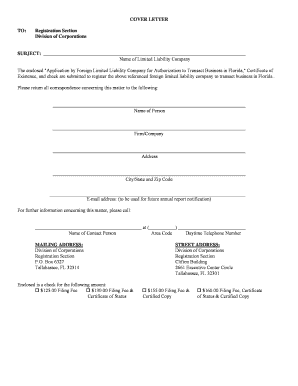
Definition & Meaning
The household services form is a document utilized by individuals and businesses to record and detail various household-related services provided or received. This form is often linked to financial practices, tax submissions, or personal record-keeping, serving as an official statement of the type of service, the provider, and relevant payment information. It helps both service providers and receivers maintain organized records for various purposes, including taxation or reimbursement claims.
Examples and Contextual Applications
- Service Provider Information: This typically includes the provider's name, business address, and contact details. For individual service providers, it might include their Social Security Number (SSN) or Taxpayer Identification Number (TIN). These details identify who performed the services.
- Service Descriptions: The form includes sections to describe services such as cleaning, gardening, childcare, or personal assistance. Clear descriptions ensure both parties can verify the work completed.
Importance of Clarity
Accurately completing the household services form ensures clarity and prevents misunderstandings. Details such as the service's nature, dates of service, and hours worked must be clearly recorded. This transparency supports trust and legal compliance.
Steps to Complete the Household Services Form
Gathering Necessary Information
- Collect Provider Details: Ensure you have up-to-date contact information for the service provider, including any relevant identification numbers.
- Service Details: Gather comprehensive descriptions of each task performed, including any materials or special tools used.
Filling Out the Form
- Section for Provider Information: Complete all fields accurately, ensuring no blank spaces. Cross-check identification numbers for correctness.
- Service Descriptions and Details: Utilize clear, concise language to describe services. Avoid industry jargon unless it is understood by all parties involved. Include dates and duration of services.
Double-checking and Verification
Before submission, review all sections for accuracy. Misstated information can lead to discrepancies with tax filings or during audits.
Key Elements of the Household Services Form
The form is structured to capture comprehensive details of services provided. Key sections typically include:
- Identification Information: Both parties' details, focusing on correct spelling and accurate contact details to avoid miscommunication.
- Service Records: A detailed list of the types of services rendered, describing each service in separate sections to showcase clear differentiation.
- Payment Details: Information regarding the financial aspects, such as agreed-upon payments, due dates, and payment methods.
Purpose of Each Section
Each component of the form ensures accurate accounting. For example, payment details help monitor transaction records for end-of-year reconciliation.
Legal Use of the Household Services Form
Compliance and Reporting
The form often supports legal requirements for tax reporting and business documentation. Accurate completion aids in complying with IRS regulations, especially when household services expenses can be deductible.
Protection against Legal Disputes
In disputes regarding services provided or payments made, the form serves as a binding document. Its comprehensive nature minimizes room for legal disagreements by ensuring all parties have documented evidence of the transaction.
Who Typically Uses the Household Services Form


Primary Users
The form is commonly utilized by:
- Households: Families employing individuals for childcare, cleaning, or personal assistance.
- Small Businesses: Companies offering domestic services use the form for client transactions.
- Independent Contractors: Individuals providing household-related services may require forms for record-keeping and tax purposes.
Benefits to Users
For households, it provides a structured way to track expenses related to domestic help. For service providers, it ensures a documented client history for future references or legal proof.
Important Terms Related to Household Services Form
- Service Provider: The individual or business performing the service.
- Recipient: The individual or household receiving the service.
- Compensation: The payment agreed upon for services rendered, which could be hourly, per service, or scheduled payments.
Contextual Usage
Each term within the form facilitates understanding between service providers and recipients. Precise definitions prevent misinterpretations.
IRS Guidelines
Tax Implications
The form plays a crucial role in filing taxes, particularly if the household services qualify for deductions or credits. IRS guidelines might levy specific requirements on how to record such transactions.
Record-Keeping
Maintaining copies of these forms supports tax filings and compliance. Organized records ensure readiness in case of audit or review.
State-Specific Rules for the Household Services Form
Variability across States
Different U.S. states may have unique regulations affecting how household services are documented and reported. Understanding local rules ensures adherence to appropriate legal standards.
- Example Cases: California, for instance, may have stricter labor regulations than other states, affecting how services must be recorded.
Adapting to State Requirements
When operating or receiving services in multiple states, a detailed understanding of each jurisdiction’s rules is crucial. This adaptability helps in compliance and managing multi-state financial operations smoothly.