






Definition and Meaning of Triggers, Cravings, and Avoiding Relapse
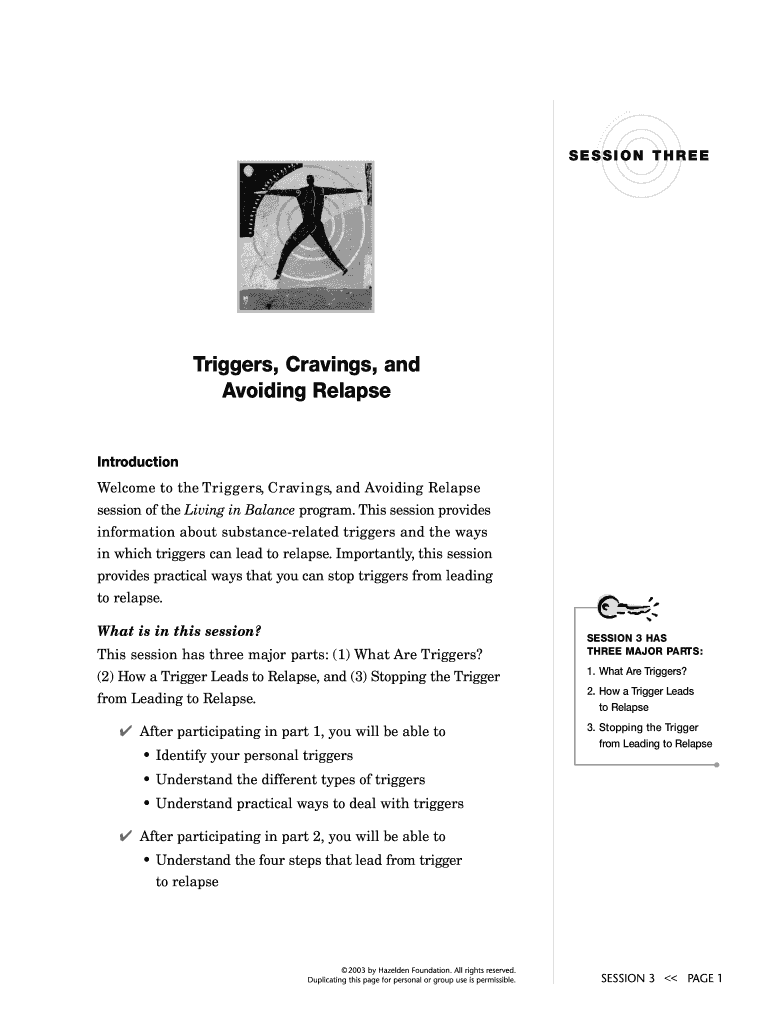
Triggers, cravings, and avoiding relapse are interconnected concepts often addressed in the context of addiction recovery. Triggers refer to any external or internal stimuli that may lead to cravings for the substance previously abused. These can include people, places, emotions, or even sensory experiences. Cravings are the intense desire to use the substance, typically following exposure to triggers. Avoiding relapse involves strategies to manage these triggers and cravings effectively to prevent a return to substance use.
In the realm of recovery programs, these elements are crucial, often forming the cornerstone of therapeutic interventions. The understanding and management of triggers and cravings are essential for individuals seeking to sustain long-term recovery and avoid relapse.
Key Elements of the Recovery Process
-
Identification of Personal Triggers: Recovery programs emphasize identifying personal triggers, which can be unique to each individual. Recognizing these requires self-reflection and counseling.
-
Strategies for Managing Cravings: Strategies often include behavioral therapies, such as cognitive-behavioral therapy (CBT), to help change patterns of thinking and responding to cravings.
-
Developing Coping Mechanisms: Techniques like mindfulness, meditation, and regular physical activity can serve as coping mechanisms to deal with stress and prevent relapse.
-
Support Systems: Building a robust support system involving family, friends, or support groups can provide encouragement and accountability in the recovery process.
How to Use Triggers, Cravings, and Avoiding Relapse - The Recovery Program
Recovery programs typically offer a structured approach. Here's how individuals might use these programs effectively:
-
Initial Assessment: Begin with a comprehensive assessment to identify specific triggers and understand the nature of cravings.
-
Setting Goals: Develop short and long-term recovery goals. These goals should be specific, measurable, achievable, relevant, and time-bound (SMART).
-
Engagement in Therapy: Participate in individual or group therapy sessions focused on addressing triggers and developing coping strategies.
-
Regular Monitoring: Monitor progress regularly through follow-up sessions or self-assessment tools provided by the recovery program.
-
Adapting Techniques: Be open to adapting techniques or strategies based on what works best personally, with feedback from therapy sessions.
Steps to Complete the Recovery Program
Following a structured approach can enhance the effectiveness of recovery interventions. Here’s a suggested pathway:
-
Enroll in a Program: Identify and enroll in a program that specializes in managing triggers and cravings related to substance use.
-
Participate Actively: Engage in all scheduled group and individual sessions to fully benefit from the program.
-
Complete Assignments: Thoroughly work through all exercises and assignments, which are designed to help recognize triggers and develop coping mechanisms.
-
Regular Check-ins: Maintain regular check-ins with a counselor to track progress and address any challenges.
-
Aftercare Planning: Develop a comprehensive aftercare plan that includes ongoing support systems to ensure sustained recovery beyond the program.
Why Understanding Triggers and Cravings Is Critical
Understanding the relationship between triggers and cravings is fundamental to preventing relapse. Recognizing that triggers initiate a chain reaction leading to cravings, which can potentially end in relapse, empowers individuals to disrupt this cycle early on. By anticipating these responses, individuals can implement coping strategies more effectively.
Practical Examples of Recovery in Action
Engaging with practical examples can illustrate how recovery concepts work in real-world settings:
-
Case Study A: An individual identifies social gatherings as a primary trigger and learns to cope by attending with a supportive friend or leaving when feeling uncomfortable.
-
Case Study B: Someone experiences cravings in response to stress. By learning stress reduction techniques such as breathing exercises, they effectively manage cravings without resorting to substance use.
Legal and Ethical Considerations
Programs focused on avoiding relapse must adhere to legal and ethical guidelines ensuring confidentiality and the right to privacy for all participants. Compliance with regulations, such as the Health Insurance Portability and Accountability Act (HIPAA), is mandatory to protect the sensitive information of those in recovery.
Understanding these legal frameworks enhances trust and security within the recovery environment, which is vital for participants to feel safe and supported.