






Definition and Meaning
The Clean Hydrogen Production Credit, known formally through the Internal Revenue Service (IRS), involves tax incentives designed to promote the production and utilization of clean hydrogen as part of broader renewable energy strategies. This credit is intended to encourage investment in cleaner forms of energy production by providing financial incentives to entities involved in the generation or use of hydrogen that meets specific environmental standards. Clean hydrogen refers to hydrogen produced with significantly reduced carbon emissions, typically through processes like water electrolysis powered by renewable energy sources or other low-emission methods.
How to Use the Clean Hydrogen Production Credit
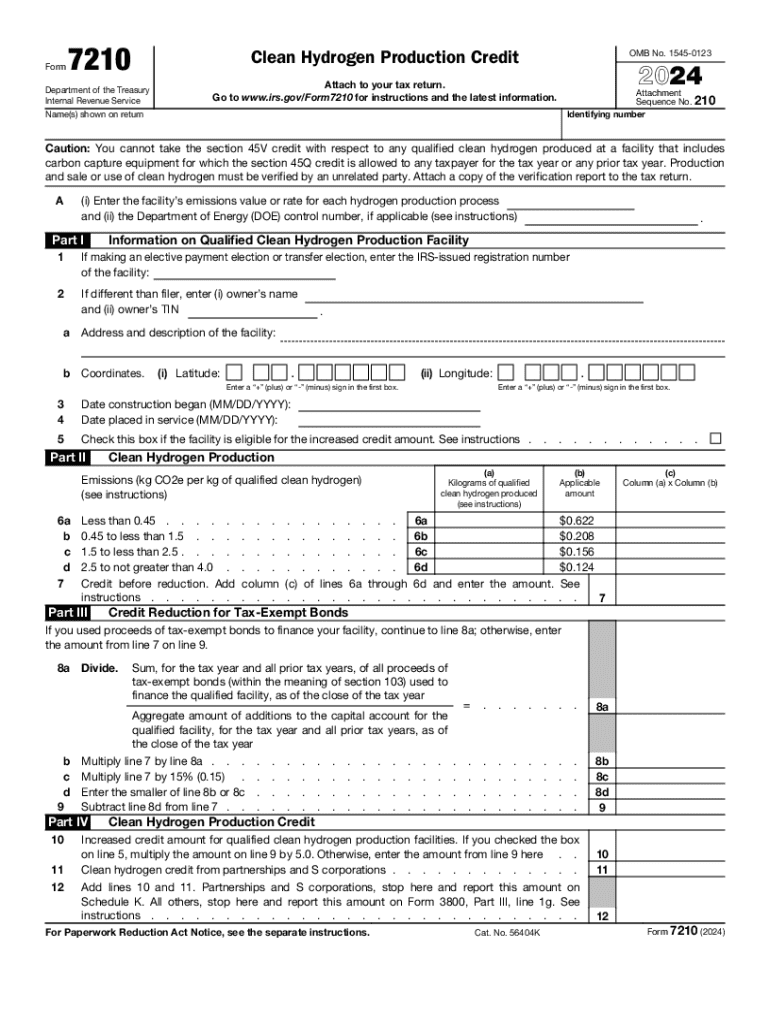
To utilize the Clean Hydrogen Production Credit, businesses and eligible entities must produce hydrogen through qualified clean processes. Tracking and documenting the production methods and the volume of hydrogen produced is crucial. This data will be necessary when filing the respective tax documents to claim the credit. The IRS provides specific guidelines on how to apply these credits during the tax filing process, including calculating the amount of credit available based on the quantity and quality of hydrogen produced.
Eligibility Criteria
Eligibility for this credit generally depends on the method of hydrogen production and the technology employed. Only those processes that significantly lower carbon emissions compared to traditional methods qualify. Entities must verify that their hydrogen production aligns with federal standards outlined by the IRS. This typically involves an examination of emission outputs and the type of technology used in production. Businesses should also consider if their operations align with any state-level incentives that might affect eligibility.


Steps to Complete the Clean Hydrogen Production Credit
-
Review IRS Guidelines: Begin by understanding the official IRS requirements for clean hydrogen production and how these define eligibility.
-
Document Production Methods: Accurately track and document your hydrogen production processes, ensuring they meet the qualification criteria.
-
Calculate Eligible Credit Amount: Determine the amount of credit you are eligible to claim based on production levels and environmental criteria.
-
Complete Required IRS Forms: Fill out the necessary IRS forms associated with the Clean Hydrogen Production Credit. Ensure accuracy and comprehensiveness in your submissions.
-
Submit Your Application: Once forms are completed, submit them as part of your annual tax return. Keep a record of all submitted documents for future reference.
Key Elements of the Clean Hydrogen Production Credit
- Technology Requirements: Must utilize methods that drastically reduce emissions relative to conventional production techniques.
- Documentation Needs: Thorough records of production processes and outputs are necessary for credit qualification.
- Specific IRS Codes and Forms: Familiarity with IRS form requirements for claiming the credit, as these will guide the documentation and submission process.
Examples of Using the Clean Hydrogen Production Credit
Several companies have leveraged the Clean Hydrogen Production Credit to offset the costs of adopting sustainable technologies. For example, a renewable energy firm using wind-powered electrolysis might qualify for these credits, reducing their overall tax liability while advancing their clean energy goals. Similarly, a transportation company investing in hydrogen fuel infrastructure could use this credit to support its transition to greener technologies.
IRS Guidelines
The IRS provides comprehensive guidelines outlining the specifics of what qualifies as clean hydrogen under federal tax codes. These guidelines detail the necessary documentation and relative benefits associated with meeting these standards. Taxpayers are encouraged to review these guidelines thoroughly to ensure compliance and optimize their potential tax incentives.
Filing Deadlines and Important Dates
Entities looking to claim the Clean Hydrogen Production Credit must adhere to the IRS submission deadlines for annual tax filings. Typically, these align with standard tax submission dates unless stated otherwise in IRS notifications or updates. Additionally, businesses should remain aware of periodic updates or changes in tax regulations that could impact filing timelines or eligibility.
Penalties for Non-Compliance
Failing to comply with the submission requirements or inaccurately reporting production data can result in penalties. Companies must ensure they meet all eligibility criteria and submit correct and complete documentation to avoid such penalties. Staying informed about regulatory updates and maintaining transparent records helps mitigate risks of non-compliance.
Business Types that Benefit Most
Entities such as energy companies specializing in renewable hydrogen production, technology firms developing efficient electrolysis methods, and transportation enterprises investing in hydrogen infrastructure are prime candidates for benefiting from this credit. These businesses typically have the resources and motivation to harness clean energy technologies to advance industry standards and reduce carbon footprints.