






Definition and Meaning
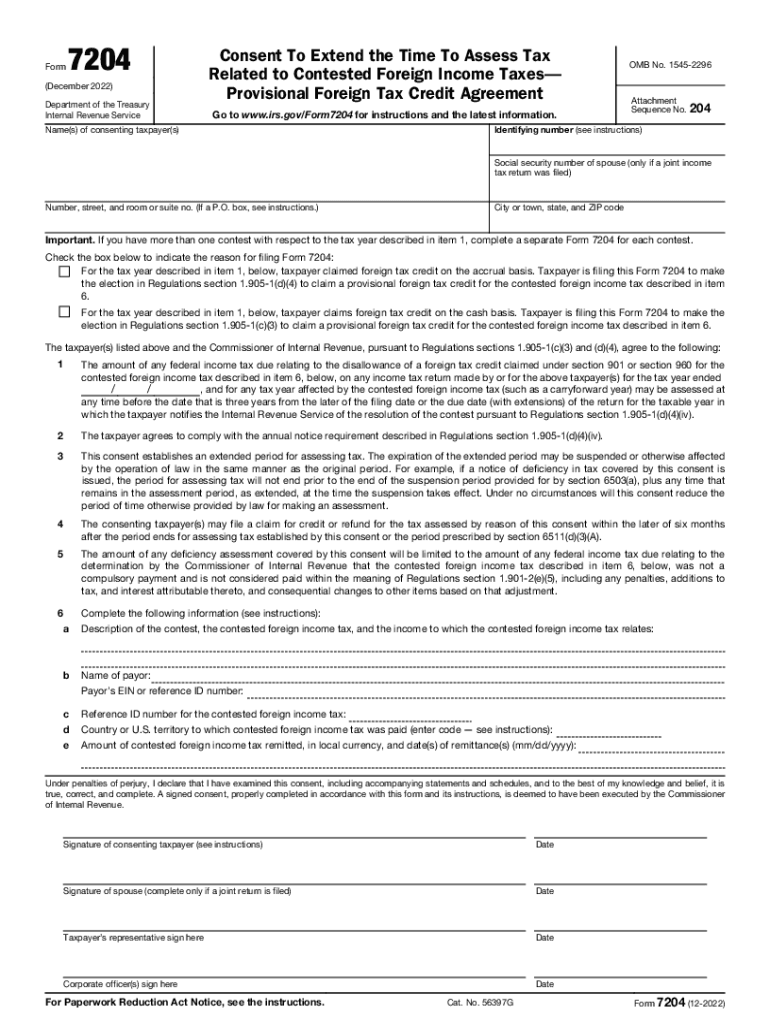
The General Rules Governing Currency Conversations for form outlines the procedures and principles for converting foreign currency into U.S. dollars for tax purposes. This form is typically used in scenarios where U.S. taxpayers need to report income earned in foreign currency, ensuring that the values are accurately stated in accordance with U.S. taxation standards. This form ensures compliance with legal standards set by the Internal Revenue Service (IRS).
How to Use The General Rules Governing Currency Conversations for
To use this form effectively, taxpayers should:
- Identify Foreign Income Sources: Clearly list all sources of income earned in foreign currency.
- Convert Currency: Use the applicable exchange rate for the date when the income was received or accrued to convert foreign amounts into U.S. dollars.
- Complete Required Sections: Fill in all required sections to ensure accuracy. Pay close attention to tax periods and corresponding foreign exchange rates.
- Verification: Verify all calculations to ensure compliance with IRS guidelines.
Taxpayers should maintain records of all conversions and sources of income for potential audits.
Steps to Complete The General Rules Governing Currency Conversations for
- Gather Financial Documents: Collect documentation related to foreign income, such as bank statements and pay stubs.
- Determine Exchange Rates: Identify the applicable exchange rate for each transaction date.
- Enter Converted Amounts: Fill in each field with the calculated U.S. dollar equivalents.
- Review for Accuracy: Double-check all entered information and calculations for errors.
- Submit the Form: File the completed form with your tax return. Keep copies for personal records.
Who Typically Uses The General Rules Governing Currency Conversations for
This form is generally used by:
- U.S. Expatriates: Individuals living and working abroad who have earned income in a foreign currency.
- Multinational Corporations: Companies with international operations that need to report foreign earnings.
- Investors: U.S. investors holding foreign securities with dividend income subject to conversion.
- Tax Professionals: Accountants and tax preparers assisting clients with foreign income.


Important Terms Related to The General Rules Governing Currency Conversations for
- Exchange Rate: The value of one currency for the purpose of conversion to another.
- Foreign Income: Earnings received from sources outside the U.S.
- IRS Guidelines: Instructions set forth by the IRS that affect how currency conversions are reported for tax purposes.
- Tax Year: The year for which tax calculations apply, typically involving currency conversion rates relevant to that period.
Legal Use of The General Rules Governing Currency Conversations for
The form ensures that taxpayers comply with U.S. laws concerning foreign income reporting. Incorrect filing or failure to convert currency appropriately can lead to penalties. The form aligns with the guidelines under the Internal Revenue Code, reflecting legal standards for presenting foreign financial figures accurately.
Examples of Using The General Rules Governing Currency Conversations for
-
Example 1: A U.S. citizen employed in France receives an annual salary in Euros. The net salary needs to be converted into U.S. dollars using the IRS-approved exchange rate for accurate tax reporting.
-
Example 2: A small business receives payment for services rendered in Japan and needs to convert Japanese Yen into U.S. dollars when filing business taxes.
These scenarios reflect common instances requiring careful adherence to currency conversion rules.
Filing Deadlines and Important Dates
- Tax Year Alignment: Ensure conversions are based on the correct tax year’s exchange rate.
- Annual Filing Deadline: Typically, this falls on April 15th, when individual tax returns, including foreign income reports, are due to the IRS.
- Quarterly Deadlines: Important for businesses needing to report foreign transactions quarterly as part of estimated tax filings.
Penalties for Non-Compliance
Failure to properly convert and report foreign income may result in:
- Fines: Monetary penalties for incorrect or incomplete filings.
- Interest on Unpaid Taxes: Additional amounts charged on unpaid taxes due to misreporting.
- Legal Consequences: Potential audits or legal scrutiny by the IRS for misrepresentation of income.
Accurate reporting using the General Rules Governing Currency Conversations for is crucial to avoid these penalties.