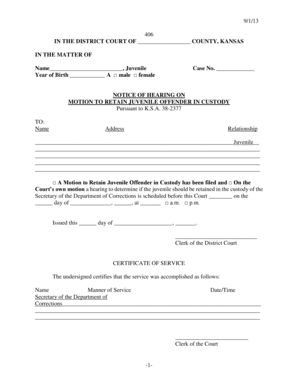
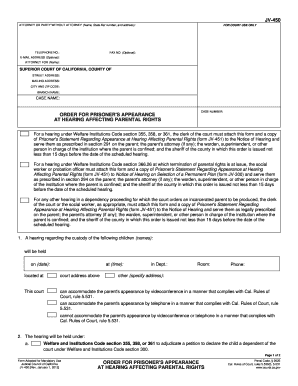
01. Edit your florida probate forms florida bar online
Type text, add images, blackout confidential details, add comments, highlights and more.

Type text, add images, blackout confidential details, add comments, highlights and more.

Draw your signature, type it, upload its image, or use your mobile device as a signature pad.

Send it via email, link, or fax. You can also download it, export it or print it out.
The "accounting of guardian(s)" refers to the systematic recording, reporting, and verification of a guardian's financial activities and management of an estate or individual they are responsible for. This process ensures transparency and accountability, providing a detailed account of transactions, assets, and liabilities under the guardian's care. Guardians are typically appointed by a court to manage the financial or personal affairs of a minor or incapacitated person. The accounting report is crucial for legal compliance, demonstrating the guardian's adherence to fiduciary responsibilities.
To effectively use the accounting of guardian(s), a guardian should systematically collect and organize financial information from their management activities. Here's a step-by-step guide:
Gather Necessary Documents: Compile all receipts, invoices, bank statements, and financial records related to the ward.
Record Transactions: Log each financial transaction, specifying dates, amounts, sources, and purposes in a clear, organized manner.
Organize Assets and Liabilities: Maintain an updated list of all assets, including real estate, bank accounts, and investments, along with any current liabilities.
Prepare Financial Statements: Create comprehensive income and expense reports to reflect the financial status of the ward's estate.
Review and Verify Entries: Ensure all entries are accurate and supported with proper documentation.
Completing the accounting of guardian(s) involves documenting financial activities meticulously. Here’s how guardians can meet these requirements:
Initial Setup:
Ongoing Documentation:
Regular Review:
Final Reporting:
Audit Readiness:
The accounting of guardian(s) is a legal requirement to ensure guardians exercise their fiduciary duty responsibly. Legal frameworks governing guardianship accounting vary by state but commonly require:
Rules and regulations regarding guardian accounting can differ significantly from one state to another. Key differences could include:
Frequency of Reporting: Some states require quarterly reports, while others may mandate annual submissions only.
Form Requirements: Certain jurisdictions require specific forms or the integration of unique elements within the accounting report.
Review Process: States may vary in the intensity of their review processes, with some conducting thorough audits and others accepting summarized statements.
Guidance and Resources: Some states provide specific guidance materials or resources for guardians, making it easier to comply with their statutes.
Failing to comply with accounting requirements can lead to serious consequences for guardians. Common penalties include:
Fines and Legal Fees: Financial penalties may be imposed for non-compliance or delays in submission.
Court Sanctions: Legal action may be taken, including court-ordered compliance or personal audits.
Revocation of Guardianship: Persistent failure to provide accurate accounting could result in removal from the guardianship role, along with potential civil liability for any mismanagement or fraud.
For guardians seeking tools to manage their accounting responsibilities, various software solutions offer compatible features:
QuickBooks: Provides robust tools for logging transactions, generating reports, and managing assets electronically, making it ideal for guardianship accounting.
Microsoft Excel: Allows for customized templates to record financial activities systematically, supporting easy updates and recalculations.
Specialized Apps: Guardian-specific apps are designed to meet reporting requirements, offering guided processes for generating compliant reports.
Understanding relevant terms is crucial for effective guardianship accounting. Key terms include:
These foundational terms establish the baseline knowledge required for managing guardianship accounting effectively, ensuring compliance and safeguarding the ward’s financial health.
At DocHub, your data security is our priority. We follow HIPAA, SOC2, GDPR, and other standards, so you can work on your documents with confidence.