






Definition & Meaning
The term "Department of Revenue Provides Penalty Relief to Persons" generally refers to measures implemented by the state or federal revenue departments to alleviate financial penalties imposed on individuals or businesses for non-compliance with tax regulations. This relief might be offered in situations where there are mitigating circumstances, such as financial hardship or natural disasters, that prevent the timely payment of taxes. It is designed to support taxpayers by lessening the financial burden that penalties can cause. Understanding this relief can be crucial for individuals facing challenges in meeting tax obligations.
Eligibility Criteria
Eligibility for penalty relief is typically assessed on a case-by-case basis, with specific criteria varying depending on the jurisdiction and the nuances of the particular situation. Common factors include:
- Demonstrable financial hardship that impeded payment ability.
- Impact from unforeseen events such as natural disasters or personal emergencies.
- Evidence of prior compliance with tax obligations, indicating a commitment to fulfilling tax responsibilities.
- Submission of the relief application within specified timelines following the issue of a penalty notice.


How to Use the Department of Revenue Provides Penalty Relief to Persons
To effectively utilize penalty relief, taxpayers should follow a structured approach:
- Review Penalty Letter: Analyze the details of the penalty notice to understand the nature and amount of the penalties applied.
- Check Eligibility: Match your circumstances with the eligibility criteria outlined by the issuing department.
- Gather Documentation: Compile necessary documents that substantiate your claim for relief, such as financial statements, medical records, or documentation of natural disasters.
- Submit Application: Complete and submit the application for penalty relief through the designated method – usually online or by mail.
- Await Response: Monitor communications from the department for updates or requests for additional information.
Steps to Complete the Department of Revenue Provides Penalty Relief to Persons
Completing the necessary forms for penalty relief involves several detailed steps:
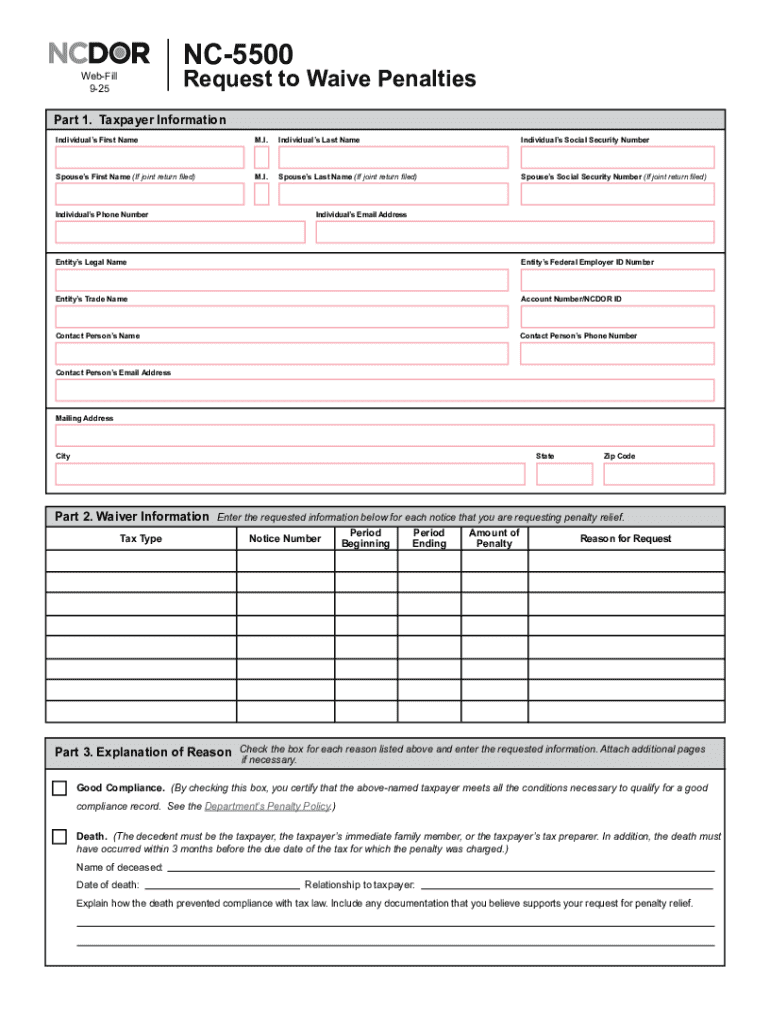
- Download the Form: Obtain the specific form related to penalty relief from the Department of Revenue’s official website.
- Accurate Information: Fill in all required fields with accurate and up-to-date information regarding your financial situation and the basis for your relief request.
- Attach Supporting Documents: Ensure all accompanying evidence, such as proof of financial hardship or external emergencies, is included and categorized clearly.
- Review the Submission: Double-check for completeness and accuracy to avoid delays in processing.
- Submit the Form: Deliver through specified channels, ensuring any submission deadlines are met.
Key Elements of the Department of Revenue Provides Penalty Relief to Persons
Several core elements should be integral to any penalty relief application:
- Applicant Information: Full legal name, tax identification number, and contact details.
- Nature of Penalty: Detailed description of the penalty amount and the reasons for incurring it.
- Justification for Relief: Comprehensive explanation of why penalty relief should be granted, supported by appropriate evidence.
- Timeline and Deadline Adherence: Recognition of any critical deadlines involved in the relief process.
Legal Use of the Department of Revenue Provides Penalty Relief to Persons
Penalty relief must be engaged with in accordance with legal standards:
- Compliant Submission: Adherence to the procedural requirements set by the issuing body.
- Honest Disclosure: Providing fully truthful and complete information in all submissions and associated communications.
- Adherence to Outcomes: Acceptance and compliance with the decision made by the Department of Revenue regarding the relief request.
Required Documents
When applying for penalty relief, supporting documentation is crucial. Typical requirements include:
- Financial Statements: Current income, expenses, and a detailed account of financial hardships.
- Evidence of Hardship: Medical records, insurance claims, or reports substantiating events like natural disasters.
- Prior Tax Payments: Proof of consistent tax compliance in previous years, where relevant.
Digital vs. Paper Version
Choosing the optimal format for submission can depend on various factors:
- Digital Submissions: Offer rapid transmission and receipt confirmation, generally preferred for timely processing.
- Paper Submissions: Suitable for applicants who prefer mail or need to provide extensive physical documentation.
Filing Deadlines / Important Dates
Compliance with deadlines is vital:
- Penalty Notice Date: Typically marks the start of the period within which relief can be sought.
- Application Deadline: Final date for submission to ensure eligibility for consideration.
- Response Deadlines: Timely replies to any department inquiries post-application.