





Definition & Meaning
The Iowa Minor Child Power of Attorney Form is a legal document that allows a parent or guardian to grant temporary authority over their minor child to another individual, known as the attorney-in-fact. This arrangement is typically used when parents anticipate being unavailable to take care of the child’s daily needs due to travel, illness, or other temporary circumstances. The attorney-in-fact can make decisions about the child’s education, healthcare, and general welfare, ensuring the child’s needs are met while the parents are away.
Key Elements of the Iowa Minor Child Power of Attorney Form
The form includes essential components such as:
- Identifying Information: Names, addresses, and contact details of the parents or guardians, the minor child, and the designated attorney-in-fact.
- Duration: The specific start and end dates for the power of attorney. This must be clearly defined to avoid any ambiguity.
- Scope of Authority: Details about the extent of the attorney-in-fact’s power, including decisions related to healthcare, education, and general welfare.
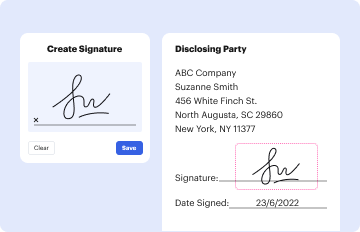
- Signatures: Signatures of the parent or guardian granting the power, the designated attorney-in-fact, and a notary public to authenticate the form.
How to Obtain the Iowa Minor Child Power of Attorney Template
The Iowa Minor Child Power of Attorney Template can typically be accessed through legal aid organizations, local courthouse websites, or document-providing platforms like DocHub. These templates are designed to ensure compliance with Iowa state laws and ease the creation process. If necessary, individuals can also consult with an attorney to draft a customized form that meets specific legal and personal requirements.
Steps to Complete the Iowa Minor Child Power of Attorney Form
-
Fill in Personal Details: Enter the names and addresses of the minor child, the parents or guardians, and the attorney-in-fact.
-
Define the Authority: Clearly outline the decisions and actions the attorney-in-fact can make on behalf of the child.
-
Set the Duration: Specify the time frame during which the power of attorney is effective.
-
Sign and Notarize: Have all parties sign the document in the presence of a notary public to validate the form.
-
Distribute Copies: Provide copies to the attorney-in-fact, relevant institutions (e.g., schools, healthcare providers), and keep one for your records.
Legal Use of the Iowa Minor Child Power of Attorney Form
The form serves a variety of legal purposes, primarily to ensure continuous care and decision-making for a minor in the absence of their parents or guardians. It can be used in situations such as:
- Military Deployment: When a parent is deployed and another individual needs to oversee the child’s care.
- Extended Travel: For parents traveling internationally for work or personal reasons.
- Medical Needs: When a child requires medical attention that the parents cannot provide due to distance or incapacitation.
Who Typically Uses the Form
This form is commonly utilized by:
- Military Families: Needing temporary guardianship during deployments.
- Single Parents: Who may require assistance from relatives or friends during unforeseen events.
- Parents with Chronic Illness: Who might face periods of hospitalization or treatment away from home.
- Foster Care and Custody Arrangements: To appoint temporary decision-makers under specific legal circumstances.


State-Specific Rules for the Iowa Minor Child Power of Attorney Form
Iowa has particular regulations governing the use of a minor child power of attorney. These rules dictate the maximum duration of the authority, requiring renewal if the initial period exceeds legal limits (often one year). Additionally, Iowa law stipulates certain powers, such as those related to adoption, cannot be delegated through this form. Users must ensure compliance with state guidelines to avoid legal complications.
State-by-State Differences
While the Iowa Minor Child Power of Attorney Form is specifically tailored to Iowa state law, other states have variations based on local statutes. These differences may involve:
- Authority Scope: What decisions can be transferred.
- Duration: How long the authority lasts without renewal.
- Authentication: Requirements for signatures and notarization to make the form legally binding.
- Reporting Obligations: Some states may require additional reporting to government agencies when delegating such powers.
Why Use the Iowa Minor Child Power of Attorney Form
This form provides peace of mind to parents who need assurance that their child’s welfare will be managed competently in their absence. It's a versatile document that allows parents to:
- Ensure Continuity of Care: By delegating authority to a trusted individual, the child receives care without interruption.
- Avoid Legal Complications: Having a formal document in place avoids potential disputes about who should make crucial decisions for the child.
- Facilitate Emergency Situations: Quick decision-making in emergencies, as the attorney-in-fact is legally recognized to act.
Each of these points ensures that the child’s environment remains stable and secure, all while adhering to legal requirements.