






Definition & Meaning
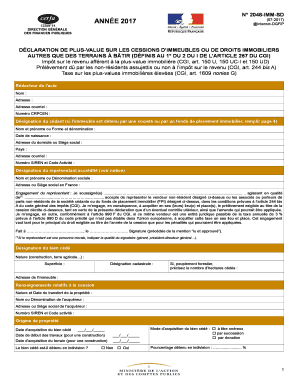
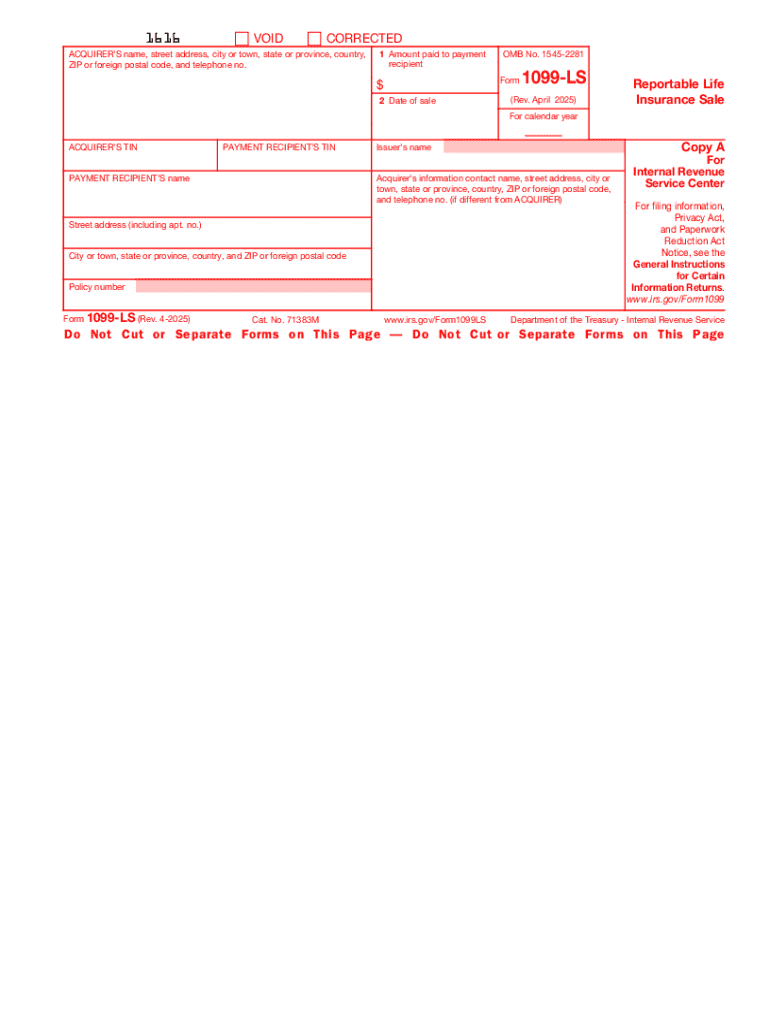
Form 1099-LS is a tax document used in the United States to report the acquisition of a life insurance contract or any interest therein in a reportable policy sale. According to section 6050Y of the Internal Revenue Code, this form facilitates the disclosure of full details involved in the sale of these contracts. It primarily deals with the transfer of a life insurance policy, specifically recording the amount paid, the date of sale, and identifiers for the acquired policy. By collecting this information, the IRS ensures proper taxation and compliance within the life insurance contract market.
Key Elements of the Form 1099-LS
When dealing with Form 1099-LS, there are several key components to understand. These include:
- Payer Information: Details of the entity that acquires the life insurance contract.
- Seller Identification: Information about the seller of the contract.
- Contract Identification: Unique identifiers for the insurance policy concerned.
- Payment Details: The total amount paid for the contract's acquisition.
- Sale Date: The specific date when the transaction of the insurance contract took place.
Each of these elements is crucial for ensuring the complete and accurate submission of the form, addressing IRS regulations and helping both buyers and sellers meet their tax obligations efficiently.
How to Use the Form 1099-LS
The use of Form 1099-LS incorporates several specific steps to ensure accurate reporting. Here is the general workflow:
- Gather Required Information: Collect comprehensive details about the transaction, including contract identifiers and payment information.
- Complete the Form: Use the gathered information to accurately fill out the form, ensuring that each section is completed with the correct details.
- Review for Accuracy: Double-check all input data for errors, particularly financial amounts and dates.
- File the Form with the IRS: Submit the completed form according to IRS instructions, ensuring it is filed before the deadline.
By following these steps, participants can ensure compliance and avoid potential penalties associated with errors or omissions.
Steps to Complete the Form 1099-LS
Completing Form 1099-LS involves meticulous recording and verifying of information. Here is a detailed breakdown of this process:
- Input Payer Information: Start with the payer's name, address, and identification number.
- Fill Seller Information: Include the seller's name, address, and taxpayer identification number.
- Enter Contract Details: List the contract’s identifiers, such as policy number and issuer.
- Record Payment and Date: Provide the exact amount paid and the date of transaction.
- Review Entries: Check for typos or calculation errors to confirm that all data is accurate.
- Submit to IRS: File electronically or send the form via mail to the IRS as per their submission guidelines.
Each step ensures data integrity and adherence to federal requirements, mitigating any risk of filing complications.
Who Typically Uses the Form 1099-LS
Form 1099-LS is most commonly used by financial institutions, investment companies, and other entities that participate in acquiring life insurance contracts. This includes:
- Life Settlement Companies: Entities that purchase life insurance policies for investment purposes.
- Insurance Companies: Firms involved in transferring insurance policy ownership.
- Financial Advisors: Professionals managing clients’ portfolios that might include policy sales.
These entities must comply with IRS regulations by using Form 1099-LS to report such financial activities accurately.


IRS Guidelines
The IRS provides detailed guidelines for the accurate completion and timely submission of Form 1099-LS. These guidelines include:
- Eligibility Requirements: Not all transactions require reporting; consult IRS instructions for specific criteria.
- Filing Instructions: Follow specific IRS guidelines toward electronic or paper submissions, depending on the quantities filed.
- Compliance Requirements: Adhere to IRS standards to prevent errors and avoid penalties.
Consulting the IRS guidelines can ensure all necessary steps are followed for proper compliance.
Filing Deadlines / Important Dates
Adherence to deadlines is crucial for the successful filing of Form 1099-LS. Essential deadlines include:
- Form Submission: Typically due by March 31 for electronic submissions, while paper submissions have an earlier deadline of February 28.
- Record Keeping: Retain copies of submitted forms for at least three years to meet any audit requests.
- Recipient’s Copy: Provide the seller with a copy by January 31 to let them report the proceeds accurately in their tax returns.
Meeting these deadlines is vital to maintain currency with tax obligations and avoid any late filing penalties.
Penalties for Non-Compliance
Failure to adhere to IRS filing guidelines for Form 1099-LS can result in several penalties:
- Late Filing: Failing to submit the form on time may incur a fine ranging from $50 to $270 per form, depending on delay duration.
- Incorrect Details: Filing with inaccurate details could lead to fines unless timely corrections are made.
- Failure to Furnish: Not providing necessary copies to involved parties can also result in penalties.
Abiding by submission requirements and ensuring accuracy are central to avoiding these financial penalties.