







Definition & Meaning
The "Insolvency Worksheet - Fill Online, Printable, Fillable, Blank" is a financial form used to determine an individual’s or business’s insolvent status. Insolvency occurs when liabilities exceed the total value of assets, making it impossible to pay debts as they come due. This worksheet is a vital tool for both personal and corporate insolvency assessments, particularly when dealing with issues like debt forgiveness. By documenting assets and liabilities, the form assists filers in providing an accurate snapshot of their financial health to creditors, financial advisors, or legal professionals.
How to Use the Insolvency Worksheet
Using the "Insolvency Worksheet - Fill Online, Printable, Fillable, Blank" involves a series of steps structured to gather comprehensive financial information:
- Gather Financial Records: Collect statements that reflect all assets, such as bank balances, real estate values, and investment accounts.
- List All Liabilities: Document all outstanding debts, including mortgage balances, credit card debts, and personal loans.
- Complete the Worksheet: Fill in each category accurately, providing a detailed account of all assets and liabilities.
- Verify and Adjust: Double-check entries for accuracy, ensuring no liabilities or assets are overlooked.
- Evaluate Results: Compare total assets to total liabilities to ascertain solvency status.
Steps to Complete the Insolvency Worksheet
- Identify Assets:
- Cash and Savings: Include checking, savings, and other cash accounts.
- Real Estate: Assess current market values.
- Investments: List stocks, bonds, and retirement accounts.
- Outline Liabilities:
- Loan Balances: Include all outstanding loan obligations.
- Credit Cards: Sum up all unpaid balances.
- Other Debts: Record any additional debts, such as medical bills or personal loans.
- Calculate Net Worth:
- Subtract total liabilities from total assets to derive net worth.
- Analyze Output:
- An insolvent status results if liabilities outnumber assets.
Key Elements of the Insolvency Worksheet
- Current Assets: Liquid and tangible assets readily converted to cash.
- Fixed Assets: Non-liquid items, such as property and long-term investments.
- Short-term Liabilities: Debts due within one year, like credit cards.
- Long-term Liabilities: Obligations extending beyond one year, including mortgages and certain loans.
- Net Worth Calculation: A crucial section that determines insolvency by netting liabilities against assets.
Who Typically Uses the Insolvency Worksheet
Primarily utilized by:
- Individuals Facing Debt: Often used when negotiating debt settlements or applying for debt relief programs.
- Businesses in Financial Turmoil: Corporations and SMEs use it to assess financial conditions before insolvency proceedings.
- Financial Advisors and Lawyers: To provide expert advice based on a client's financial state.


IRS Guidelines
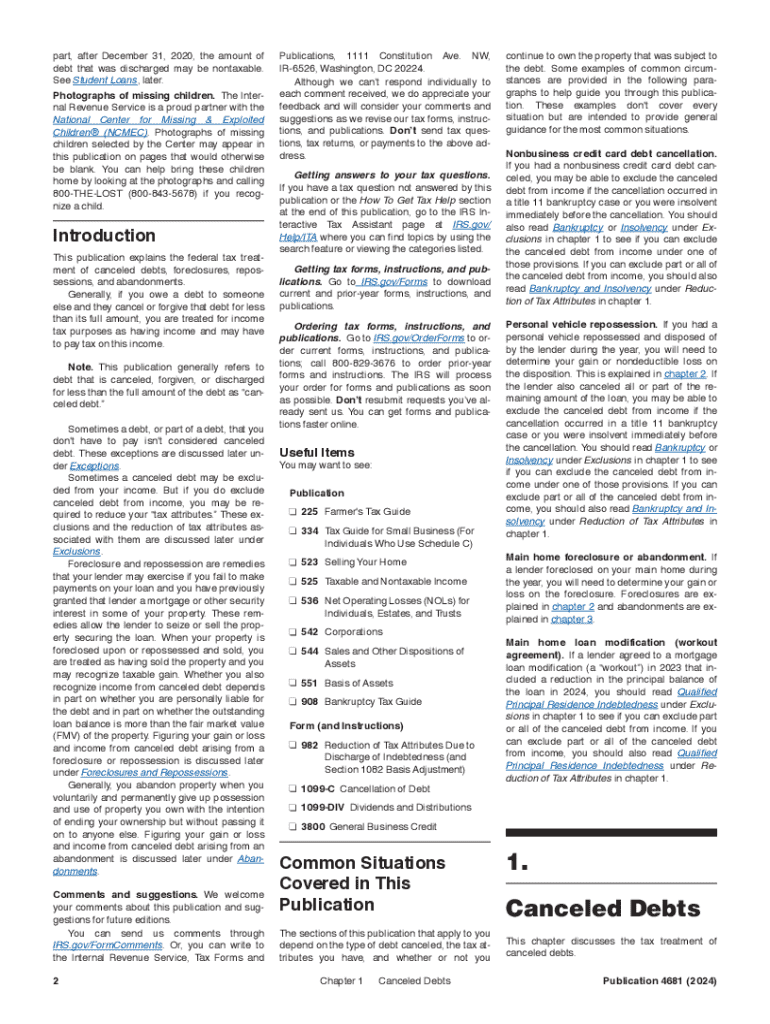
While the IRS does not provide a specific template, its guidelines for reporting debt forgiveness under IRS Form 1099-C require accurate insolvency determination. The IRS acknowledges the worksheet as proof of a taxpayer's insolvency to reduce potential tax liability from canceled debt.
Important Terms Related to the Insolvency Worksheet
- Assets: Resources owned with economic value expected to benefit future operations.
- Liabilities: Obligations legally owed to outside parties.
- Net Insolvency: Condition where liabilities surpass assets.
- Forgiven Debt: A liability considered as taxable income unless the debtor is insolvent.
State-Specific Rules for the Insolvency Worksheet
While the concept of insolvency is consistent federally, particular states may have varying thresholds or guidelines. It is crucial to refer to local regulations or consult with a state-licensed financial professional to ensure compliance with state-specific rules for determining insolvency.




