






Understanding the "For Filing Information" Form
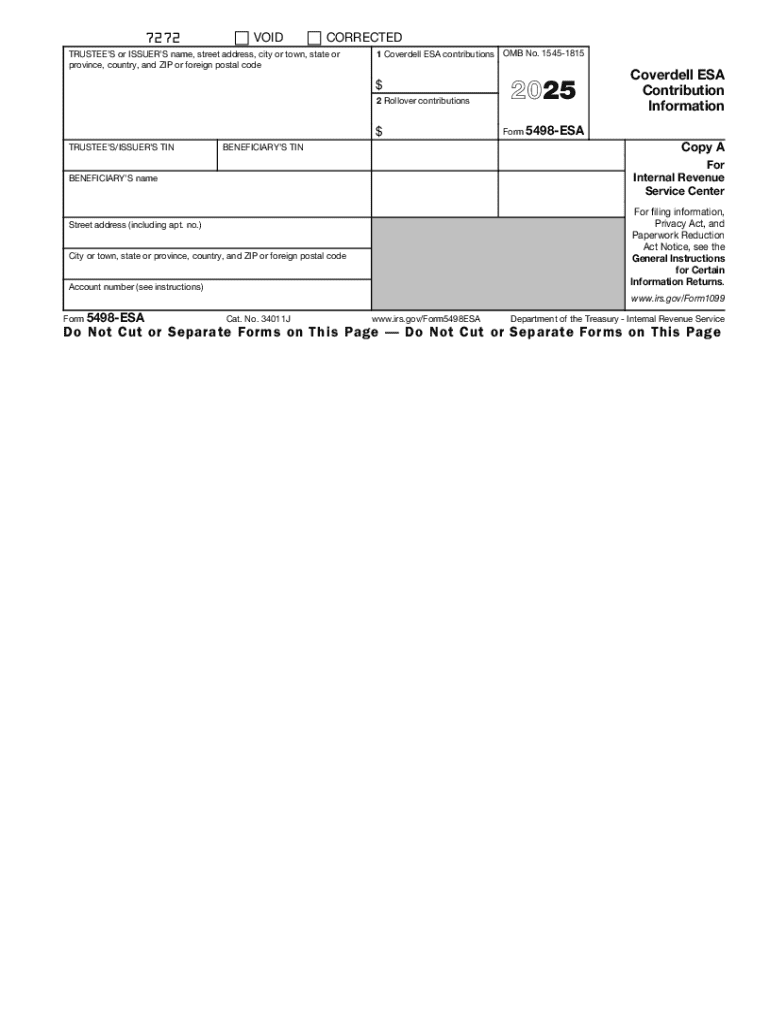
The "For Filing Information" form is often a critical component for various tax-related processes. It's designed to provide detailed instructions and information necessary for correctly filing various tax forms or applications. This form ensures that individuals and businesses meet the necessary requirements and comply with the applicable legal and procedural standards. Understanding its content and purpose is crucial for precise compliance and successful submission.
How to Use the "For Filing Information" Form
To efficiently use the "For Filing Information" form, follow these essential steps:
-
Identify the Purpose: Understand the specific tax or legal process the form supports. This could relate to income tax filings, business registrations, or compliance mandates.
-
Review Instructions: Carefully read instructions to ensure all requirements are comprehensively understood. This includes understanding the form’s layout, sections, and what information is needed.
-
Gather Necessary Information: Collect all documents and details outlined in the form’s instructions. This might include financial statements, previous tax returns, or personal identification details.
-
Complete the Form: Fill out each section as instructed, ensuring all information is accurate and up-to-date.
-
Verification: Cross-check the completed form to ensure all sections are filled and no important details are omitted.
-
Submission: Follow the stated submission guidelines, which could involve online, mail, or in-person filing options.
Steps to Complete the "For Filing Information" Form
Completing the "For Filing Information" form involves several key steps:
-
Read through All Sections: Familiarize yourself with every part of the form to understand what information is required.
-
Gather Required Documents: Assemble all documents referenced by the form. This could include specific financial documents, identification info, and past filings.
-
Accurate Entry of Data: Carefully enter your information, ensuring each entry is precise and reflective of the current situation.
-
Consult Guidelines for Complex Entries: For sections that require complex calculations or non-standard data, refer to detailed guidelines or consult with a professional.
-
Check for Errors and Completeness: Before submission, review the entire form for any errors, omissions, or incompleteness.
-
Submit as Directed: Follow the form’s instructions for submission. Include any additional documentation required.
Key Elements of the "For Filing Information" Form
The form typically includes several critical elements:
-
Personal or Business Information: Includes fields for entering essential personal or business details, such as name, address, and taxpayer identification numbers.
-
Instructions and Guidelines: Provides detailed instructions on how to complete each section accurately.
-
Documentation Requirements: Lists required documents needed to accompany the form.
-
Filing Instructions: Specifies how and where to submit the form, including electronic filing options and mailing addresses.
Required Documents for the "For Filing Information" Form
Successfully completing the form requires various documents:
-
Identification Documents: Such as a driver’s license or passport.
-
Financial Documents: Income statements, balance sheets, or proof of deductions.
-
Previous Tax Returns: Copies of prior filings may be necessary for reference.
-
Other Relevant Documents: Depending on the form’s purpose, specific documentation might be required.
Filing Deadlines and Important Dates
Understanding the critical deadlines associated with the "For Filing Information" form is crucial:
-
Annual Filing Deadlines: Typically aligns with federal or state tax filing deadlines.
-
Extension Requests: Information on how to apply for deadline extensions.
-
Penalty Dates: Details on when penalties will start to accrue for late submissions.
Differences in State Regulations for the Form
Regulations and requirements for filing information forms may vary from state to state, including:
-
Filing Requirements: Some states may require additional documents or different submission procedures.
-
Tax Rates and Deductions: Variations in state tax rates and allowable deductions that might impact how the form is completed.
-
Compliance Obligations: State-specific compliance standards.
Legal Use and Compliance
The "For Filing Information" form must be used in accordance with legal standards:
-
Adherence to Federal Regulations: Ensures compliance with federal tax laws and regulations.
-
Compliance with State Laws: Understanding and incorporating state-specific legal requirements.
-
Record Keeping: Mandates the retention of copies of submitted forms for specified durations for audit or legal purposes.
Understanding these elements ensures accurate completion of the form, aiding in avoiding penalties, ensuring compliance, and facilitating smoother interactions with tax authorities.