Definition & Meaning
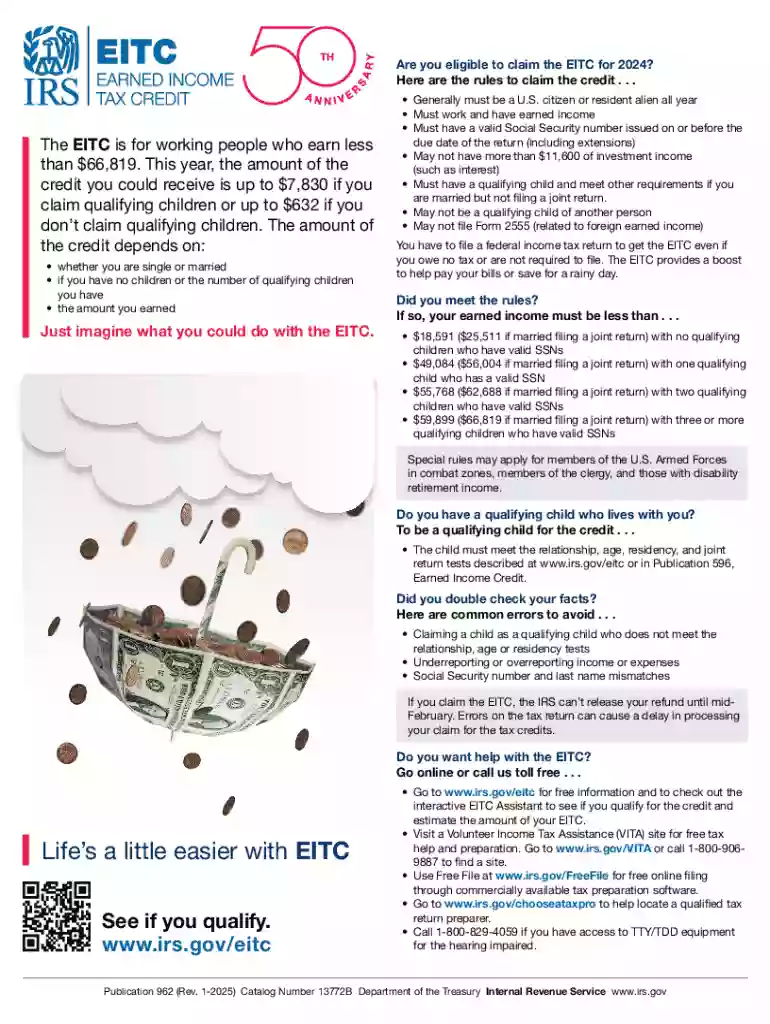
The "Do You Qualify for This Tax Credit? - Choose Work!" is a document designed to help taxpayers determine their eligibility for specific tax credits related to employment. These credits are typically aimed at reducing the tax burden on eligible working individuals and families, aiming to support those who are in employment but may still have low income levels. The document serves as both an informational guide and a practical tool, aiding taxpayers in making informed decisions about their tax liabilities.
Detailed Explanation:
- Purpose: This form is crafted to guide users in identifying and claiming appropriate tax credits, ensuring they take full advantage of potential savings.
- Target Audience: Both individual taxpayers and business owners may find this document useful, especially if they are looking to maximize tax benefits in relation to employment compensation.
How to Use the Do You Qualify for This Tax Credit? - Choose Work!
Understanding how to effectively utilize the "Do You Qualify for This Tax Credit? - Choose Work!" document is crucial for taxpayers aiming to minimize their tax liabilities. This guide will outline the necessary steps and considerations for successful use.
Practical Steps:
- Identify Eligible Credits: Begin by reviewing the types of tax credits covered in the document. These may include credits for low-income workers, such as the Earned Income Tax Credit (EITC), or credits for employers who hire disadvantaged workers.
- Gather Necessary Information: Ensure you have all relevant personal, family, and employment details on hand. This typically includes wage statements, Social Security numbers, and any relevant financial documentation.
- Follow Instructions Carefully: The form will likely provide step-by-step instructions. Adhere to these closely to ensure no potential credits are missed.
- Consult a Tax Advisor: If you are unsure about any aspect of the form, consider consulting a tax professional for guidance.
Key Requirements:
- Income Thresholds: Many employment-related tax credits apply to those earning below a certain income level. For example, the EITC is available to individuals making less than a predefined amount annually.
- Employment Status: Generally, you must be employed, either part-time or full-time. The nature of your work can also influence eligibility.
- Dependents: Credits might increase in value if you have qualifying dependents, such as children under a certain age.
Steps to Complete the Do You Qualify for This Tax Credit? - Choose Work!
Filling out the "Do You Qualify for This Tax Credit? - Choose Work!" document requires attention to detail. This section outlines the precise steps needed to ensure accurate completion.
Instructions:
- Download or Obtain Form: Start by either downloading the digital version or obtaining a paper copy to begin filling it out.
- Complete Personal Information: Fill out your personal details accurately, including your full name, address, and taxpayer identification number.
- Provide Financial Details: Supply all necessary financial information. This includes your annual income, any additional earnings, and tax-related specifics from your employment.
- Answer All Questions: Go through each section thoroughly, ensuring all questions are answered with the most current information.
- Review and Submit: Check for errors, then submit the form using the recommended method, whether that’s online, through the mail, or in person.
IRS Guidelines
The Internal Revenue Service (IRS) provides regulations that govern the use of tax credits. Understanding these guidelines is essential to ensure compliance and maximize benefits.
Regulatory Overview:
- Filing Requirements: Ensure that your tax return includes all relevant forms and schedules when claiming credits.
- Record-Keeping: Maintain all records that support your claim for a credit. This includes income documentation, proofs of family status, and employment records.
- Deadline Adherence: Submit all documentation within the specified deadlines to avoid penalties or loss of credit eligibility.
Important Terms Related to "Do You Qualify for This Tax Credit? - Choose Work!"
Familiarity with key terms can enhance your understanding of the form and its implications.
Glossary:
- Tax Credit: A dollar-for-dollar reduction in the amount of tax you owe, which can increase your tax refund.
- Earned Income: Income from work, either from wages or business operations.
- Dependent: Typically a child or relative, whom you financially support and who qualifies you for additional credits.
Filing Deadlines / Important Dates
Meeting deadlines is crucial when submitting tax-related documents. Here, we outline significant dates related to tax credit claims.
Key Dates:
- Tax Filing Deadline: Generally, tax returns must be filed by April 15th of each year.
- Amendment Deadlines: If changes are needed, amended returns have specific deadlines, usually within three years of the original filing date.
Examples of Using "Do You Qualify for This Tax Credit? - Choose Work!"
To illustrate the utility of the form, here are scenarios showing how different individuals can benefit from these tax credits.
Sample Scenarios:
- Single Parent: A working single parent with two children under age 17 may qualify for a higher EITC and additional child-related credits, significantly reducing their tax bill.
- Small Business Owner: A small business owner hiring veterans or economically disadvantaged employees may benefit from specific hiring credits, curtailing the overall tax liability for their business.