Definition and Purpose of the Assisted Living Chart Order
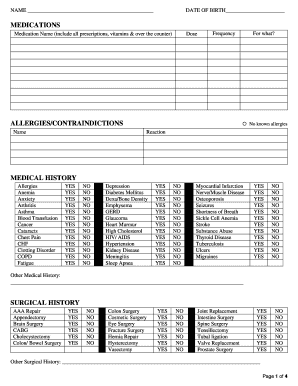
The Assisted Living Chart Order is a comprehensive tool used in assisted living facilities in the United States to organize resident information and ensure the efficient management of their care. This chart serves as both an admission checklist and a continuous record of the resident's care and medical history. It facilitates communication among caregivers and ensures that every aspect of the resident’s care plan is documented and accessible. By maintaining a detailed and organized chart, facilities can provide better-quality care and meet the regulatory requirements of state and federal agencies.
How to Use the Assisted Living Chart Order
To effectively use the Assisted Living Chart Order, it is essential to understand its structure and the information it requires. The process typically involves:
-
Initial Setup: Upon the resident's admission, staff members fill out the basic information sections, including the resident's name, apartment number, and move-in date. The chart order or admission checklist is placed prominently for easy access.
-
Ongoing Maintenance: Caregivers regularly update the chart to reflect changes in the resident's health status, medication, dietary needs, and other critical aspects of care. This requires coordination among staff to ensure all modifications are accurately documented.
-
Review and Auditing: Periodically, the chart is reviewed to ensure compliance with care standards and to prepare for any audits by health authorities or insurance companies. This review helps identify any gaps in documentation and fosters continuous improvement in care delivery.
Steps to Complete the Assisted Living Chart Order
Completing the Assisted Living Chart Order involves several systematic steps to ensure thorough and accurate documentation:
-
Gathering Initial Information: Before the move-in date, collect the new resident's personal information, medical history, and insurance details. This includes obtaining consent forms and legal documents, such as advance directives and power of attorney paperwork.
-
Filling Out the Admission Checklist: Use the checklist to ensure all required documents and information are accounted for and properly filed. This serves as a guide for the initial chart setup.
-
Establishing Care Plans: Coordinate with healthcare providers to develop individualized care plans that address the resident’s medical, nutritional, and social needs. Document these plans within the chart for easy reference and updates.
-
Ongoing Documentation: Encourage staff to record any changes in care or incidents promptly. This ongoing documentation forms the basis for evaluating the effectiveness of care plans and making necessary adjustments.
-
Final Review: Before finalizing the chart order for a new resident, conduct a review to ensure all information is accurate and up-to-date. Make any necessary corrections or additions before proceeding.
Who Typically Uses the Assisted Living Chart Order
The Assisted Living Chart Order is primarily used by:
-
Healthcare professionals within assisted living facilities, such as nurses, caregivers, and medical practitioners, who need accurate and accessible resident information to provide appropriate care.
-
Administrative staff, who are responsible for managing resident admissions, maintaining documentation for regulatory compliance, and coordinating between different departments.
-
Regulatory bodies and auditors, who review these charts during inspections to ensure the facility adheres to legal and health standards.


Key Elements of the Assisted Living Chart Order
Several critical elements form the backbone of the Assisted Living Chart Order:
-
Admission Record: This includes personal details, move-in date, and initial assessments, providing a snapshot of the resident’s condition upon entry.
-
Medical Records: Ongoing documentation of the resident’s healthcare status, including diagnoses, treatments, medications, and any changes in health conditions.
-
Care Plans: Detailed plans that outline the resident’s medical needs, dietary requirements, and personal preferences, customized to meet their unique needs.
-
Communication Logs: Records of interactions between staff, residents, family members, and healthcare providers, ensuring transparency and continuity in care.
Legal Use of the Assisted Living Chart Order
The Assisted Living Chart Order must be used in compliance with federal and state regulations governing healthcare documentation and resident privacy. Facilities must adhere to HIPAA regulations to protect resident information, ensuring that only authorized personnel access sensitive data. Legal compliance extends to how the chart is maintained, updated, and stored to mitigate risks of data breaches or misuse.
State-Specific Rules for the Assisted Living Chart Order
Each state may have specific regulations influencing the structure and use of the Assisted Living Chart Order. For instance, some states may require particular assessments or forms to be included in the chart, while others might stipulate unique reporting standards. It is crucial for facility administrators and staff to be knowledgeable about their state's requirements to ensure compliance and avoid penalties.
Examples of Using the Assisted Living Chart Order
Practical examples can illustrate the effective use of the Assisted Living Chart Order:
-
Admission Process: A new resident enters an assisted living community. The staff uses the chart order to gather their medical history, establish baseline health metrics, and set up an individualized care plan, ensuring a smooth transition and continuous monitoring.
-
Change in Health Status: A resident experiences a change in health, such as the development of a chronic condition. The chart order is updated with new medical information, adjusted care plans, and notes on treatment interventions, facilitating a coordinated response.
-
Regulatory Compliance Audits: During a routine audit, the facility presents the comprehensive chart orders to demonstrate adherence to health and safety regulations, illustrating the facility's commitment to high care standards.