Definition and Meaning
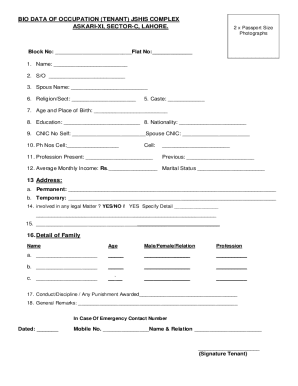
The term "occupancy disclosure" refers to a formal document used primarily in real estate transactions to inform potential buyers, renters, or lessees about the legal limits on the number of occupants allowed in a dwelling. This form ensures transparency regarding occupancy restrictions imposed by local or municipal regulations, such as zoning laws or housing codes. Proper understanding of this disclosure is essential for both property owners and prospective occupants to prevent violations of occupancy laws that could lead to legal disputes or fines.
Example Use Cases
- Residential Transactions: When selling a residential property in regions like Fort Collins, Colorado, agents must provide prospective buyers with an occupancy disclosure to comply with local codes.
- Rental Agreements: Landlords often include occupancy disclosures in leasing documents to communicate limits to tenants upfront.
- Legal Compliance: Property managers use these documents to ensure compliance with housing ordinances that dictate how many individuals can legally reside in a rented space.
Steps to Complete the Occupancy Disclosure
Filling out an occupancy disclosure accurately is crucial for avoiding compliance issues. Here is a step-by-step guide to completing the form:
-
Identify the Property:
- Begin by entering the full address of the property in question, including the street address, city, state, and zip code.
-
State the Legal Occupancy Limits:
- Clearly outline the maximum number of individuals legally permitted to occupy the property. This information can often be found in local zoning laws or by contacting municipal offices.
-
Provide Seller/Lessor Information:
- Include the current owner’s or seller's full name, contact information, and any relevant identification numbers or property references.
-
Outline Responsibilities and Consequences:
- Detail the responsibilities of the prospective buyer or tenant regarding compliance with occupancy laws, and the repercussions of violating these limits.
-
Signatures and Date:
- All parties involved — including sellers, buyers, landlords, and tenants — must sign and date the document to confirm acknowledgment and understanding.
Supplemental Tips
- Double-check Legal Requirements: Before submitting the form, verify that all regional occupancy regulations are observed and documented.
- Keep Copies: Both parties should retain copies of the disclosure for their records in case of future legal scrutiny.
Legal Use of the Occupancy Disclosure
Key Legal Considerations
- Contractual Obligation: Providing an occupancy disclosure is often a legal requirement in real estate contracts to ensure all parties are aware of occupancy laws.
- Regulatory Compliance: Adherence to occupancy restrictions helps prevent legal action from municipalities, which can enforce penalties for non-compliance through fines or legal proceedings.
- Civil Litigation: Failure to disclose occupancy limits might lead to contract disputes or lawsuits if a buyer or tenant feels they were misled.
Implications for Non-Compliance
- Fines: Real estate transactions conducted without proper disclosures can result in significant fines as per state or local laws.
- Ejection: Tenants exceeding occupancy limits due to undisclosed restrictions may face eviction proceedings.
- Reputational Risks: Real estate professionals who neglect disclosure obligations risk damaging their professional reputation.
Who Typically Uses the Occupancy Disclosure
Occupancy disclosures are utilized by various stakeholders in the real estate industry to ensure legal compliance and transparency:
- Real Estate Agents: Agents use disclosures to provide clear information to buyers or renters, preventing misunderstandings and fostering trust.
- Property Managers: Managers employ these documents to align tenant expectations with legal restrictions, which also protects their operational integrity.
- Legal Advisors: Attorneys might review occupancy disclosures to ensure they adhere to compliance standards during property transactions.
- Homeowners and Sellers: Individuals selling or renting properties leverage disclosures to communicate legal stipulations to prospective occupants directly.


Key Elements of the Occupancy Disclosure
For an occupancy disclosure to be effective and legally sound, it should include the following key elements:
- Property Description: A detailed description encompassing the physical address and any pertinent identifiers.
- Regulatory Limits: Specific legal stipulations regarding the maximum number of occupants allowed on the premises.
- Signatory Acknowledgement: Signature fields for all involved parties, confirming receipt and understanding of the document.
- Date of Disclosure: The exact date on which the disclosure is issued, providing a record for compliance tracking.
- Contact Information: Complete contact details of the involved parties to facilitate communication and verification if necessary.
State-Specific Rules for the Occupancy Disclosure
Occupancy regulations can vary significantly by state, each with its own set of rules and enforcement guidelines. Below are some factors that may differ:
- Zoning Laws: States and even cities may have unique zoning laws that affect occupancy limits, based on factors like the intended property use and neighborhood density.
- Disclosure Requirements: Some states demand specific forms or certificates accompany occupancy disclosures, ensuring information accuracy and legal compliance.
Example
- Colorado: Fort Collins adheres to distinctive local regulations mandating sellers and landlords disclose occupancy limits, highlighting the necessity for property-specific knowledge.
Digital vs. Paper Version
Modern transactions increasingly rely on digital versions of occupancy disclosures due to their convenience and efficiency:
- Digital Formats: Platforms like DocHub allow for the creation, modification, and signing of occupancy disclosures digitally. This simplifies document management, offering features like real-time editing, secure sharing, and data encryption.
- Paper Formats: While traditional, paper forms may still be used for official records or with clients preferring physical documentation. However, paper versions lack the immediate updating and sharing capabilities of their digital counterparts.
Advantages of Digital Disclosures
- Accessibility: Easily accessible from any device with internet connectivity, allowing for broader participation across platforms.
- Security: Enhanced security measures such as SSL encryption protect sensitive information.
- Integration: Digital disclosures can integrate seamlessly with other real estate transaction software or tools, streamlining workflows.
Penalties for Non-Compliance
Understanding the penalties associated with failing to properly issue occupancy disclosures can motivate compliance:
- Fines: Parties may incur financial penalties imposed by local governments or housing authorities for neglecting to disclose occupancy limits.
- Loss of Licensing: Real estate professionals could face disciplinary action, leading to the suspension or revocation of licenses if found in breach of disclosure laws.
- Litigation: Non-compliance might result in lawsuits from affected parties, seeking damages relating to misinformed decisions due to undisclosed occupancy limits.