







Definition & Meaning
"gov orderforms and click on Employer and" appears to refer to a segment of a procedure within a government online form system, likely related to employer-specific filings or documentation. It suggests an interactive process where users engage with digital forms to submit required employer-related information for various regulatory or tax purposes. Such forms can be critical for compliance with government regulations, serving as official records for business activities that involve human resources, taxes, or employee benefits.
How to Use the gov Orderforms and Employer Section
To effectively use the gov orderforms and navigate the Employer section, it's essential to understand the functionality and user interface of government digital form systems. These systems typically offer intuitive navigation that guides users through form completion. Users should ensure they have all pertinent data on hand before starting, such as employee numbers, payroll details, and tax identification numbers. Utilizing the digital help tools like tooltips or FAQs can provide additional guidance. Different sections may require specific types of information, and ensuring accurate entry is crucial to avoid the need for subsequent corrections.
How to Obtain the gov Orderforms and Employer Forms
To obtain the necessary forms, users can access official government websites where these forms are hosted. Typically, the forms are available for download in PDF format or can be filled out directly online. Users may need to set up an account or authenticate their access using credentials linked to their business or employment status. It is important to ensure the forms are accessed from legitimate and updated sources to avoid outdated information that might lead to compliance issues.
Steps to Complete the gov Orderforms and Employer Section
- Access the Official Portal: Visit the appropriate government website to locate the forms relevant to employer responsibilities.
- Authenticate Access: Log in with required credentials, ensuring secure access through government-approved verification protocols.
- Fill Out Required Information: Accurately enter all personal and business-related information into the specified fields.
- Review Form Sections: Carefully check each section for completeness and accuracy before moving on.
- Submit Form Electronically: Use the site's submission portal to send the completed form. Verify that submission confirmation is received.
- Track Submission Status: Utilize tracking features to monitor the form's processing status and address any feedback or requests for information promptly.
Why You Should Use gov Orderforms and Click on Employer and
Engaging with the gov orderforms, particularly in the employer section, is vital for maintaining compliance with federal and state regulations. Businesses must submit accurate employment and tax information to avoid legal and financial penalties. Additionally, properly completed forms can facilitate smoother HR processes, improved record keeping, and enhanced organizational management. This functionality helps in meeting obligatory filing deadlines and ensuring that companies remain in good standing with regulatory bodies.
Who Typically Uses the gov Orderforms and Employer Section
These forms are primarily utilized by employers, human resources professionals, accountants, and business owners. Businesses of all sizes, from small enterprises to large corporations, must comply with relevant regulations. Regular users include those responsible for tax reports, payroll management, and compliance officers. These individuals need to be familiar with the submission processes and requirements associated with government forms, ensuring all necessary documentation reflects current organizational activities.


Important Terms Related to gov Orderforms and Employer Section
- TIN (Taxpayer Identification Number): A unique number assigned to a business for tax reporting purposes.
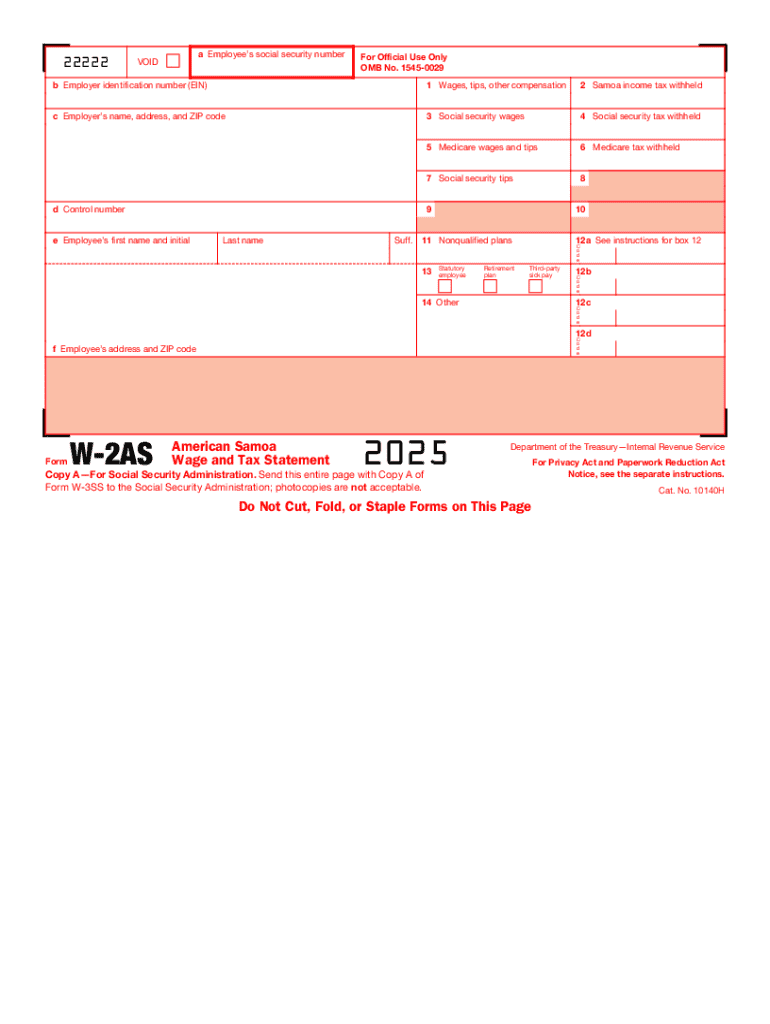
- W-2 and W-3 Forms: Specific types of employment tax forms used for documenting employee wages and submitted to the SSA.
- Compliance: Adhering to established laws, regulations, guidelines, and specifications relevant to operating a business.
- ESIGN Act: A regulation that makes electronic signatures legally equivalent to handwritten ones in the U.S.
- OAuth 2.0: An authorization framework allowing secure, predefined access levels between platforms and systems.
Legal Use of the gov Orderforms and Employer Section
The use of these forms must be compliant with U.S. laws governing employment and taxation. This includes adhering to submission deadlines, providing truthful information, and ensuring the privacy and security of all submitted data. Forms are also used for meeting other regulatory requirements, such as employee benefits reporting and workplace safety filings. Violations may result in legal sanctions, fines, or audits by government bodies such as the IRS or Department of Labor, underscoring the importance of using these forms diligently.
Key Elements of the gov Orderforms and Employer Section
- Form Identification: Each form has a specific identifier, like "1099" for miscellaneous income, crucial for proper categorization and processing.
- Submission Deadlines: Clearly outlined by government bodies; employers must file within specified time frames to avoid penalties.
- Accuracy and Integrity: Ensuring precise data entry is essential to maintain trust and compliance with regulatory standards.
- Signature Requirements: Valid electronic or manual signatures often required to affirm the authenticity of the information provided.
- Retention and Recordkeeping: Organizations must keep records of submitted forms for compliance verification and auditing purposes.




