Definition and Meaning of a Last Will and Testament
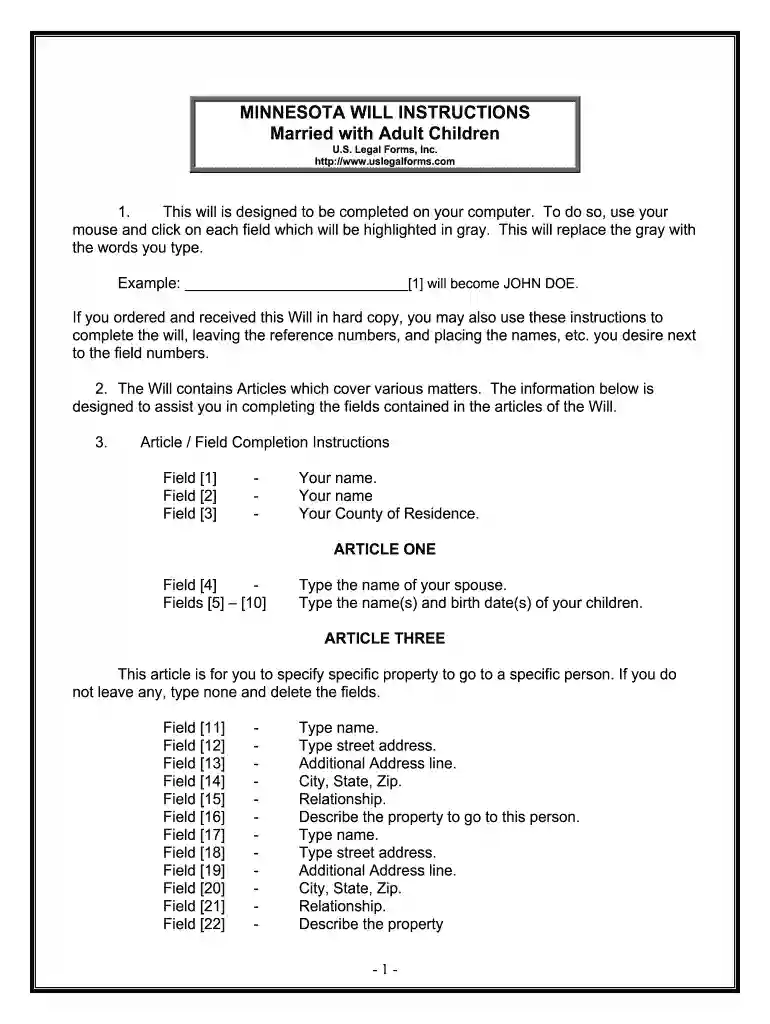
A last will and testament is a legal document that enables individuals to dictate how their assets and estate should be distributed after their death. It is a critical element of estate planning, allowing the testator—the person creating the will—to specify beneficiaries and allocate specific assets or property to them. The document can also include instructions for other matters, such as the appointment of a guardian for minor children and wishes regarding funeral arrangements. Additionally, the will can outline details on the settlement of debts and the appointment of an executor to administer the estate.
The primary function of a last will and testament is to ensure that the deceased's wishes are respected and carried out, providing clear guidance to loved ones during the probate process. This document can prevent disputes among heirs by offering transparent and legally binding instructions regarding asset distribution. It is an essential tool for anyone wishing to secure their legacy and provide for beneficiaries according to their preferences.
Important Terms Related to a Last Will and Testament
To understand a last will and testament, familiarizing oneself with key terms associated with the document is essential:
- Testator: The individual who creates the will and whose wishes the document reflects.
- Beneficiary: A person or entity designated to receive assets or property as outlined in the will.
- Executor: The person appointed to manage and administer the estate, ensuring that the will's directives are followed.
- Guardian: An individual named to take responsibility for caring for minor children if both parents are deceased.
- Probate: The legal process by which a will is validated, and the estate is settled under court supervision.
- Bequest: A specific asset or piece of property left to a beneficiary as articulated in the will.
These terms help clarify the roles and responsibilities involved in the execution of a last will and testament, contributing to a smoother legal process following the death of the testator.
Key Elements of a Last Will and Testament
A comprehensive last will and testament should contain several fundamental components:
- Introduction: Identifies the document as the individual's last will and testament, stating the testator's full name and declaring their sound mind.
- Revocation Clause: Cancels any previous wills and codicils, ensuring that the current document is the final testament.
- Personal Information: Includes details about the testator, such as full name, address, and marital status, providing context for the document's instructions.
- Appointment of Executor: Names the person responsible for administering the estate and carrying out the will's instructions.
- Asset Distribution: Details how the testator’s assets, including real estate, personal property, and financial accounts, should be distributed among beneficiaries.
- Guardian Designation: Appoints a guardian for minor children, if applicable.
- Witness and Signatures: Requires signatures from both the testator and witnesses to validate the document legally.
These elements ensure that the will is complete, legally sound, and reflective of the testator's final wishes.
How to Use the Last Will and Testament
Using a last will and testament involves several steps to ensure it serves its intended purpose:
- Draft the Document: Begin by preparing a comprehensive outline of assets, debts, and dependent responsibilities. Using a legal professional or a secure online service to draft the will can ensure all legal standards are met.
- Appoint Roles: Specify who will serve as the executor, beneficiaries, and any guardians, clearly stating their responsibilities.
- Detail Asset Distribution: Clearly articulate how the estate should be divided, identifying specific bequests and addressing potential contingencies or alternate scenarios.
- Finalize with Signatures: Two witnesses must observe the testator signing the will and provide their signatures to authenticate the document.
- Store Securely: Keep the original will in a secure location, such as a safe or with an attorney, and inform the executor of its whereabouts.
This process ensures that the last will and testament is operative and will effectively guide the probate process.
Legal Use and Compliance of a Last Will and Testament
A last will and testament must adhere to specific legal standards to be considered valid:
- Age Requirement: Typically, the testator must be at least 18 years old.
- Sound Mind: The testator must be capable of understanding the implications of the document and its contents.
- Formal Requirements: The will must be typed or handwritten, dated, and signed. While holographic wills can be considered valid in some jurisdictions, they may face additional scrutiny.
- Witnesses: At least two disinterested parties must witness the signing of the will.
Ensuring compliance with these requirements is crucial, as a will that fails to meet legal standards can be contested or deemed invalid, complicating the estate’s settlement.
Steps to Complete the Last Will and Testament
Creating a last will and testament involves a documented series of steps:
- Assess Assets and Debts: Conduct a thorough inventory of all significant assets and liabilities.
- Choose Beneficiaries: Identify all individuals or entities you wish to inherit specific portions of your estate.
- Appoint Executors and Guardians: Select a trusted individual to manage your estate and, if necessary, a guardian for any minor children.
- Draft the Will: Use precise and legally accurate wording to draft the document, ensuring clarity in all instructions.
- Sign and Witness the Document: Arrange for the document to be signed in the presence of at least two witnesses, ensuring adherence to state laws.
- Store the Will Safely: Inform a trusted individual of the will's storage location to ensure it can be accessed when needed.
Following these steps carefully helps ensure the will’s effectiveness and legal standing.
State-Specific Rules for a Last Will and Testament
While general principles apply across the United States, specific state laws can impact how a last will and testament is executed:
- Witness Requirements: Some states have particular regulations regarding witness eligibility and involvement.
- Self-Proving Affidavit: Many jurisdictions allow a self-proving clause within the will to simplify probate, requiring notarization.
- Spousal Rights: Community property or elective share states may have laws affecting the distribution of marital property.
- Guardian and Trustee Provisions: States might impose additional requirements or limitations regarding the appointment of guardians or trustees.
Understanding applicable state laws helps ensure the will complies with specific regulations and reduces the likelihood of legal disputes during probate.
Examples of Using a Last Will and Testament
Real-world scenarios illustrate the importance and utility of a will:
- Married Individuals: A couple may use a will to outline the distribution of joint and individual assets, allocate guardianship for children, and specify wishes for each other's care upon the other's death.
- Single Parents: Ensure a clear plan for children via guardianship provisions, ensuring their care aligns with the parent’s values and wishes.
- Individuals with Charitable Intentions: Allocate a portion of the estate to charitable organizations, incorporating specific bequests to support causes important to the testator.
These scenarios demonstrate how a last will and testament provides peace of mind by ensuring wishes are honored while simplifying complex decisions for loved ones.